A hot rivalry among midsize sedans
Midsize sedans aren’t exactly a dime a dozen these days, and more models are leaving the market with each passing year. The 2026 Toyota Camry, Kia K5, and Hyundai Sonata are some of the top remaining models. Each of the sedans offers sufficient space for up to five passengers and plenty of tech to go around, but there are stark differences between the three that might make one the better pick.
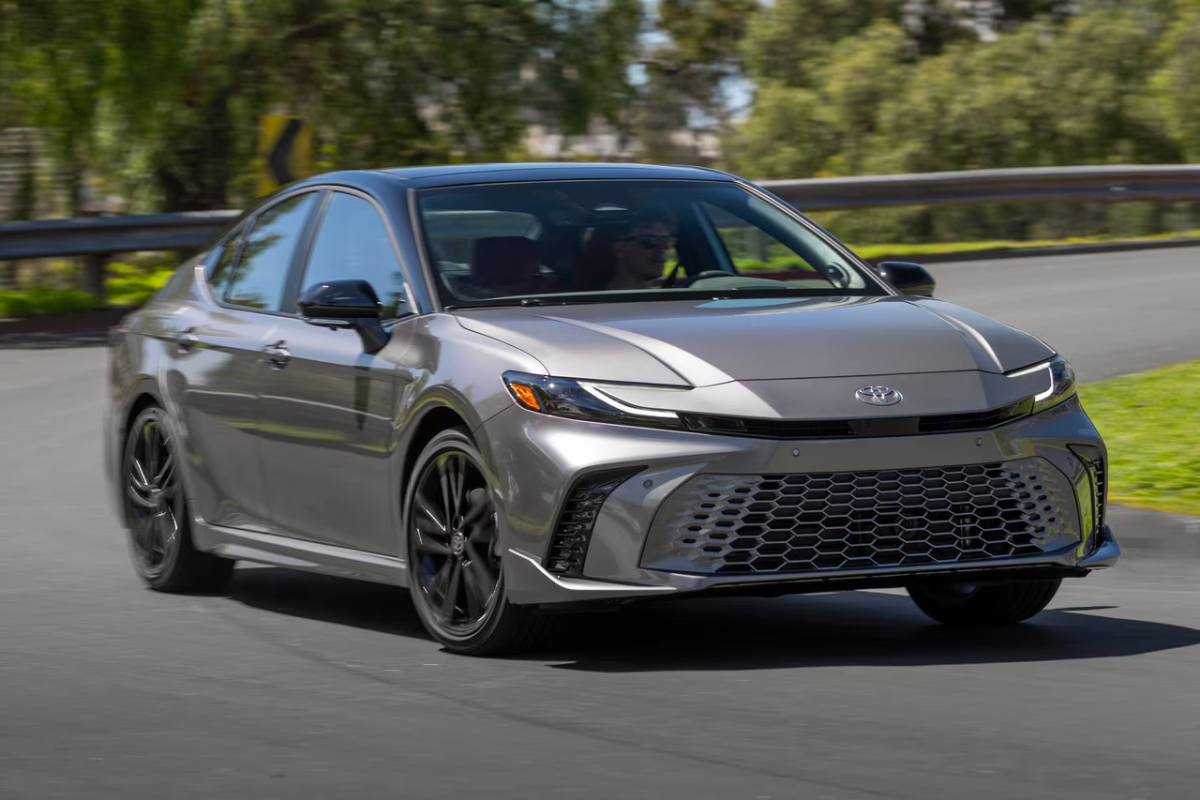
The Toyota Camry was overhauled for the 2025 model year, so it heads into 2026 with few notable changes. Among them is the addition of a new Nightshade trim that lands between the XLE and XSE. Following the Camry’s lead, the Kia K5 receives no major changes for the 2026 model year. The Hyundai Sonata sees several changes to its roster, though. The SEL Sport trim replaces the SEL and SEL Convenience trims, and the Blue trim now serves as the entry-level hybrid model.
1. The K5 and Sonata offer the highest performance
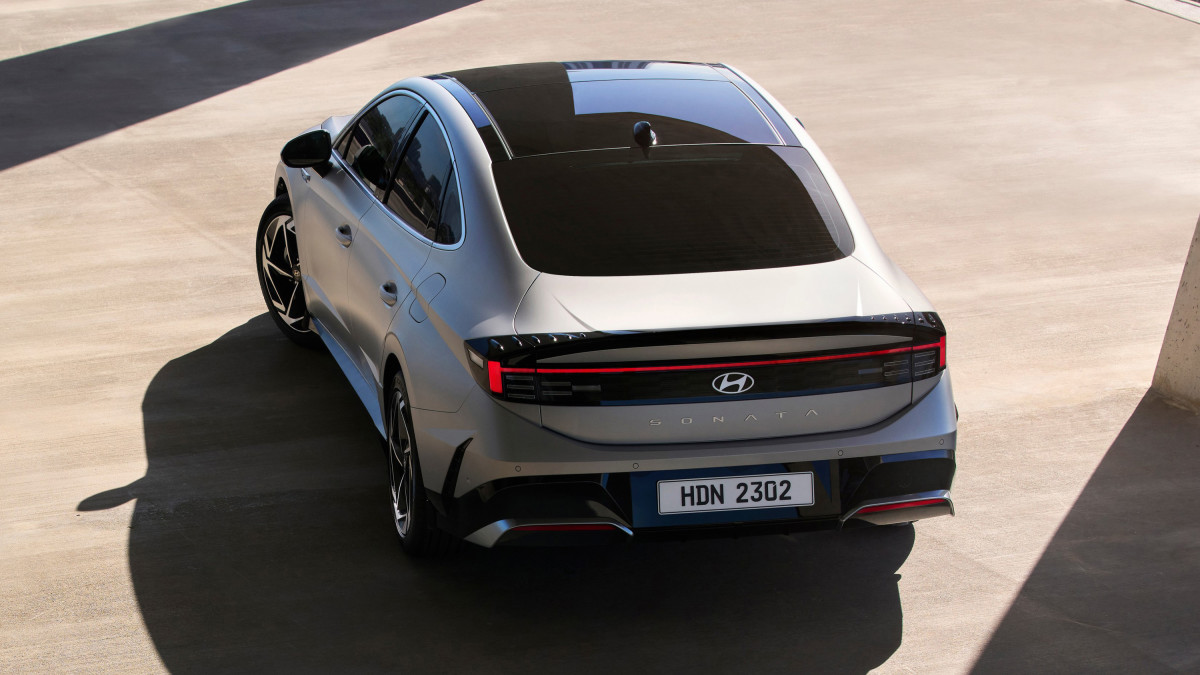
The Kia K5 and Hyundai Sonata are mechanically identical. Under the hood of both models lies a 2.5-liter four-cylinder engine mated to an eight-speed automatic transmission. It produces 191 horsepower and 181 lb-ft of torque. The Camry’s 225-horsepower base powertrain takes an early lead, and opting for all-wheel drive increases output to 232 horsepower. Kia and Hyundai have another powertrain up their respective ranges, though.
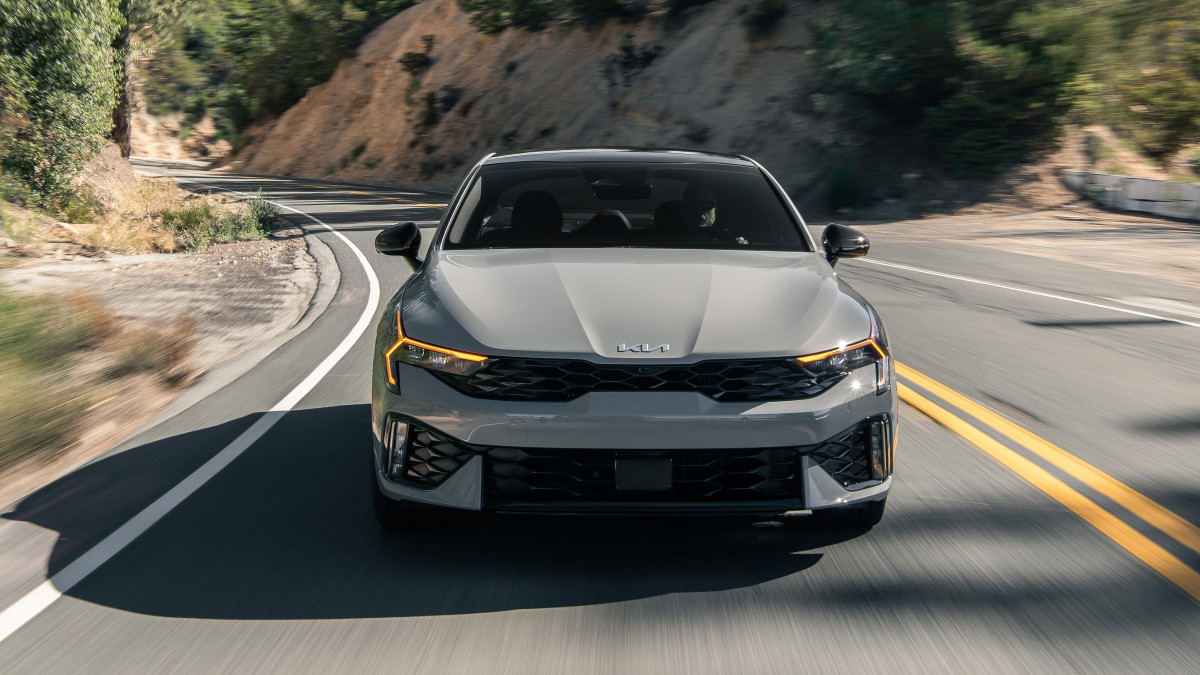
The K5 GT and Sonata N Line feature a 2.5-liter turbocharged four-cylinder engine paired with an eight-speed dual-clutch transmission. That formation produces 290 horsepower and 311 lb-ft of torque, putting both Korean sedans well above the Camry in performance. Note that all three sedans are available with all-wheel drive. While all Camry models can be optioned with all-wheel drive, the upgraded drivetrain is only available on the Sonata SEL Sport and K5 GT-Line AWD trims.
Related: Ford is Partnering With Renault To Revive its European Lineup
2. The Camry and Sonata are available in hybrid form
Many automakers are shifting to hybrid powertrains, and Toyota and Hyundai are among them. The Camry comes stock with a hybrid powertrain, while the Sonata Blue marks the model’s new entry to the hybrid space. While the Kia K5 is available as a hybrid in foreign markets, that powertrain has yet to appear on United States roadways.
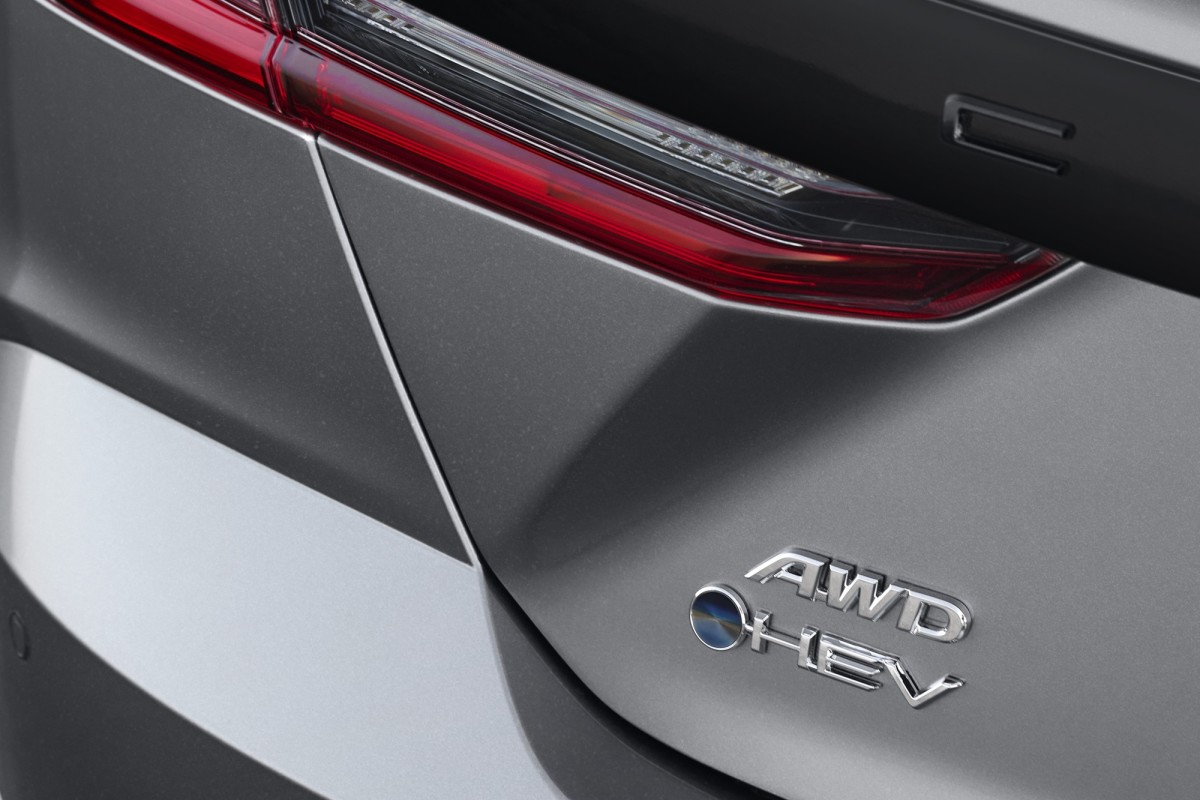
Thanks to its standard hybrid powertrain, the Camry range is more efficient than most other midsize sedans, especially at the base level. The base LE trim is the most efficient, earning up to 52 mpg in the city and 49 mpg on the highway. The Sonata Hybrid Blue is the most efficient in its lineup, earning 47 mpg in the city and 56 mpg on the highway. Both models are rated at 51 mpg in combined city/highway driving.
3. The K5 and Sonata are more affordable
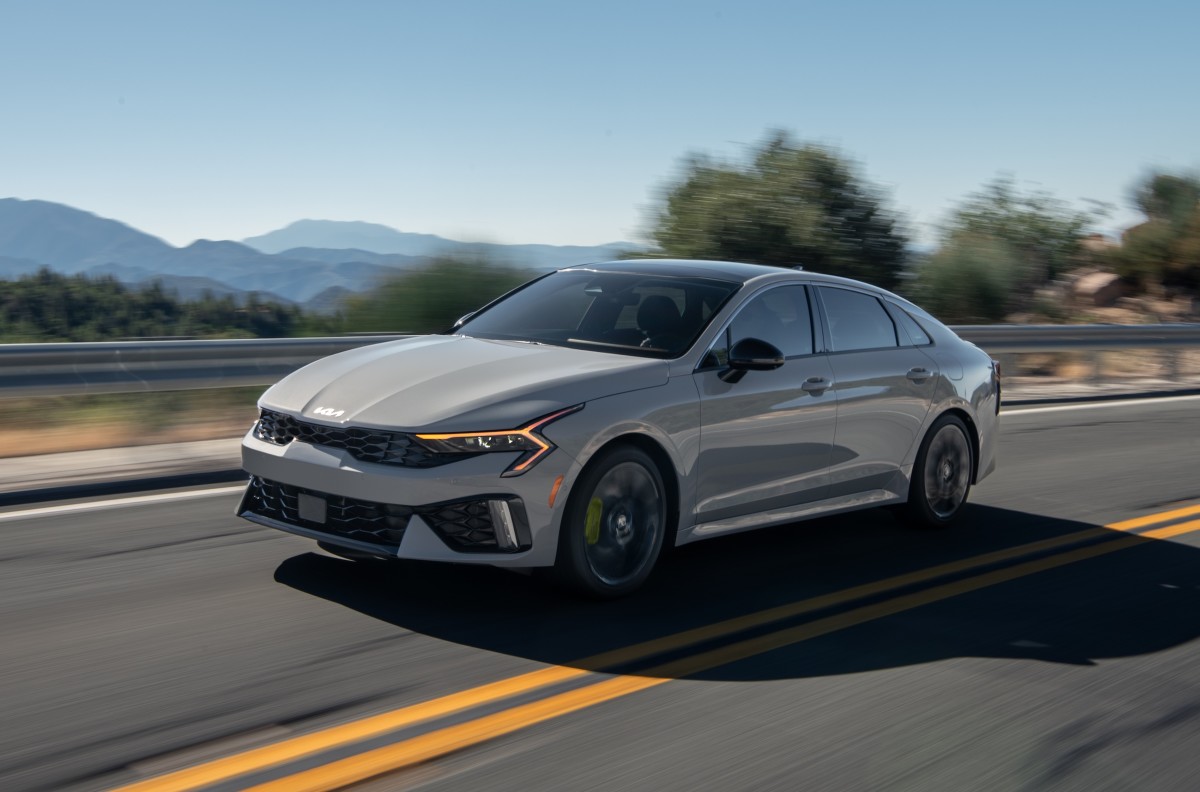
The midsize sedan segment is incredibly competitive, but the Kia K5 and Hyundai Sonata have carved out an advantage in pricing. The Sonata narrowly beats out the K5, priced from $27,300 and $27,390, respectively. The Camry starts at $29,000, making it the most expensive of the three sedans.
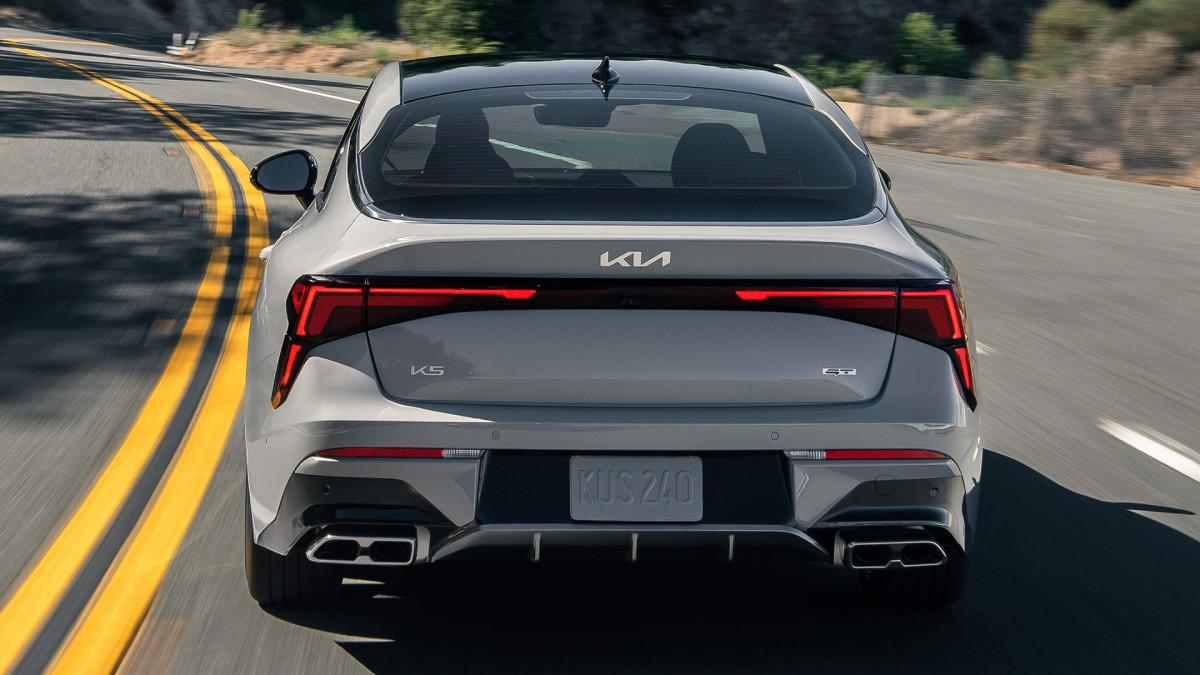
At the base level, all three models ride on 16-inch wheels designed to maximize efficiency. LED lighting comes standard across the board, and heated side mirrors make ownership more convenient in cold weather. While the base K5 and Camry come with dual-zone automatic climate control, you’ll need to step up a trim level to get that same feature in the Sonata.
4. The K5 and Sonata offer better tech
The Toyota Camry is no slouch when it comes to infotainment. Lower trim levels feature an eight-inch touchscreen display, while the top-spec models get a 12.3-inch touchscreen. The K5 and Sonata lead the Camry in that regard, with 12.3-inch displays standard across the range. All three sedans get standard wireless Apple CarPlay and Android Auto compatibility regardless of trim level.
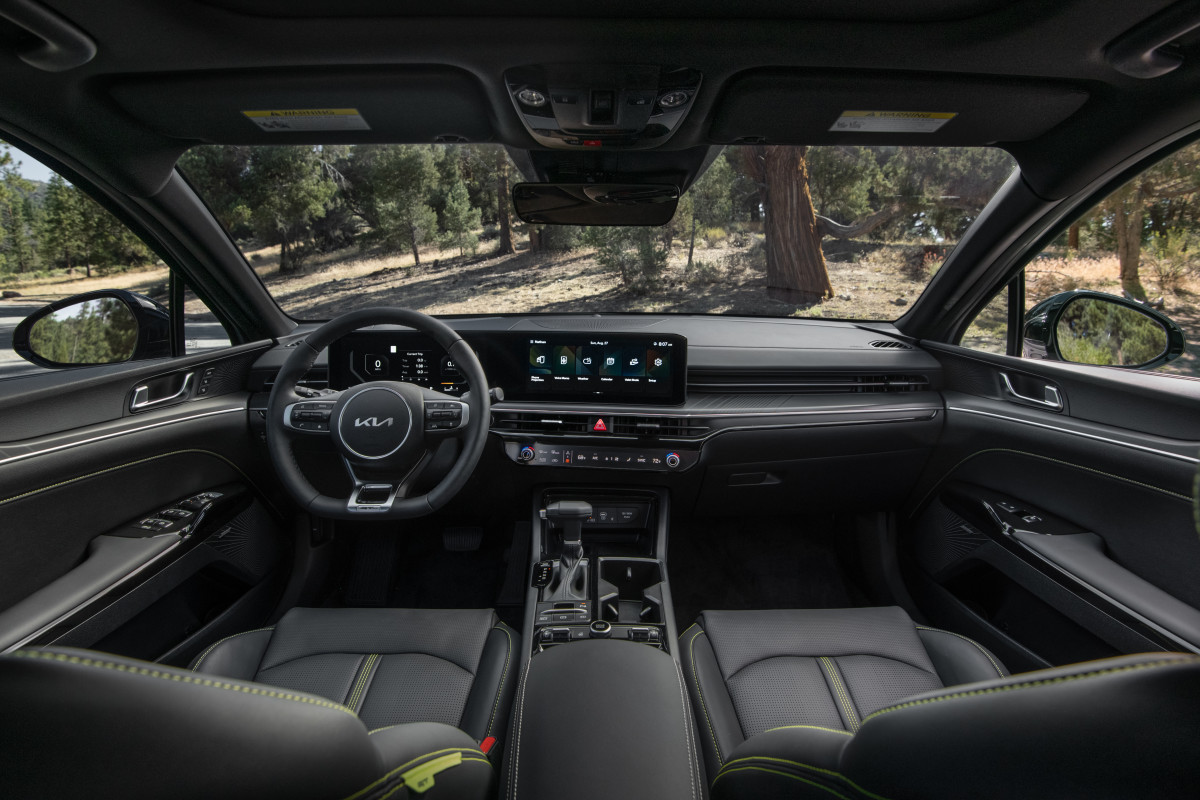
While the base Camry, from $29,000, comes with standard wireless smartphone charging, you can get the same feature on higher-tier K5 and Sonata models for similar money. For example, the K5 GT-Line FWD starts $610 less than the Camry and features a wireless smartphone charging pad. In the Sonata, you’ll need to opt for the SEL Sport, also available from $29,000, to get wireless smartphone charging capabilities.
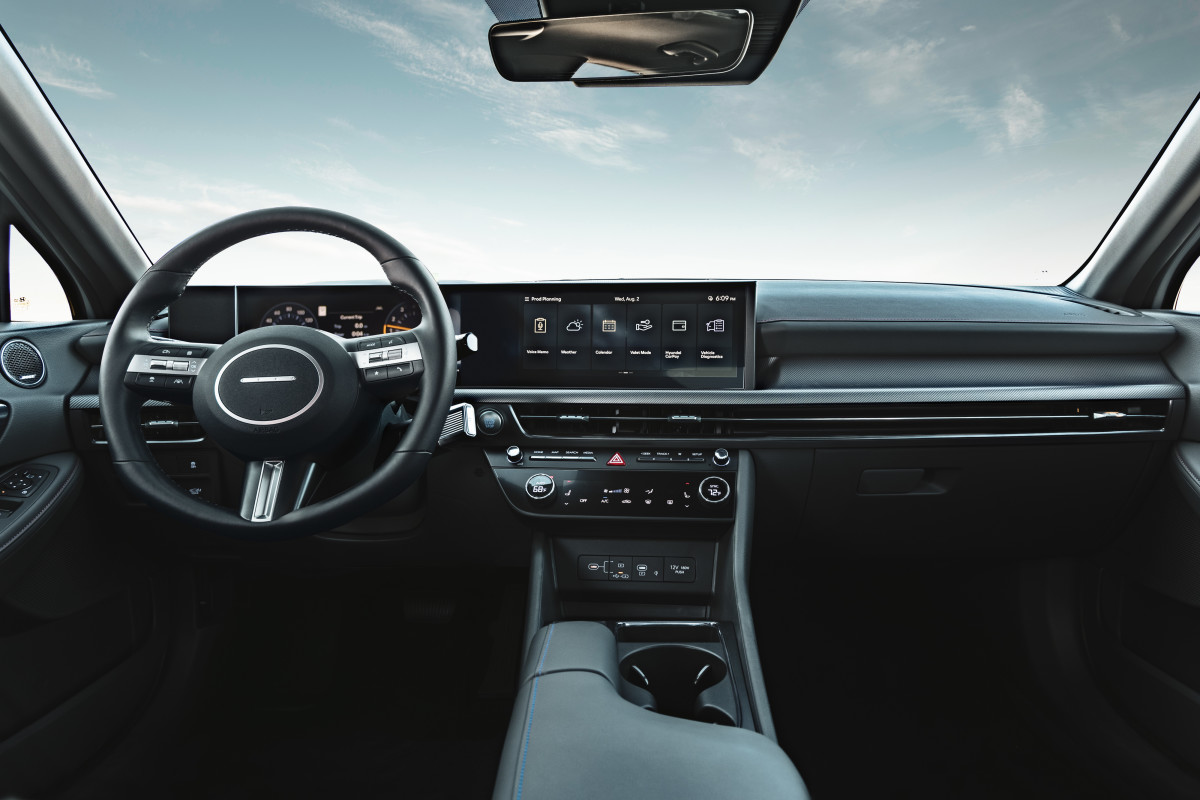
All Camry models feature a six-speaker audio system, but only the top model can be optioned with a nine-speaker JBL premium sound system. The K5 and Sonata feature a similar setup, with six speakers throughout most of the range. A 12-speaker Bose premium audio system comes standard in top models, though.
5. The K5 and Sonata come with a longer warranty period
Kia and Hyundai are well known for backing their vehicles with the longest warranties in the industry, and the K5 and Sonata are no exception. Both sedans are backed by a five-year/60,000-mile new-vehicle warranty and a 10-year/100,000-mile powertrain warranty. The Sonata Hybrid’s hybrid system also features 10 years or 100,000 miles of warranty coverage.
The Toyota Camry features a three-year/36,000-mile basic warranty and a five-year/60,000-mile powertrain warranty. An eight-year/100,000-mile warranty covers the hybrid system. The Camry’s hybrid battery coverage is the only area where the Japanese sedan has an advantage, with 10 years or 150,000 miles of coverage.
Final thoughts
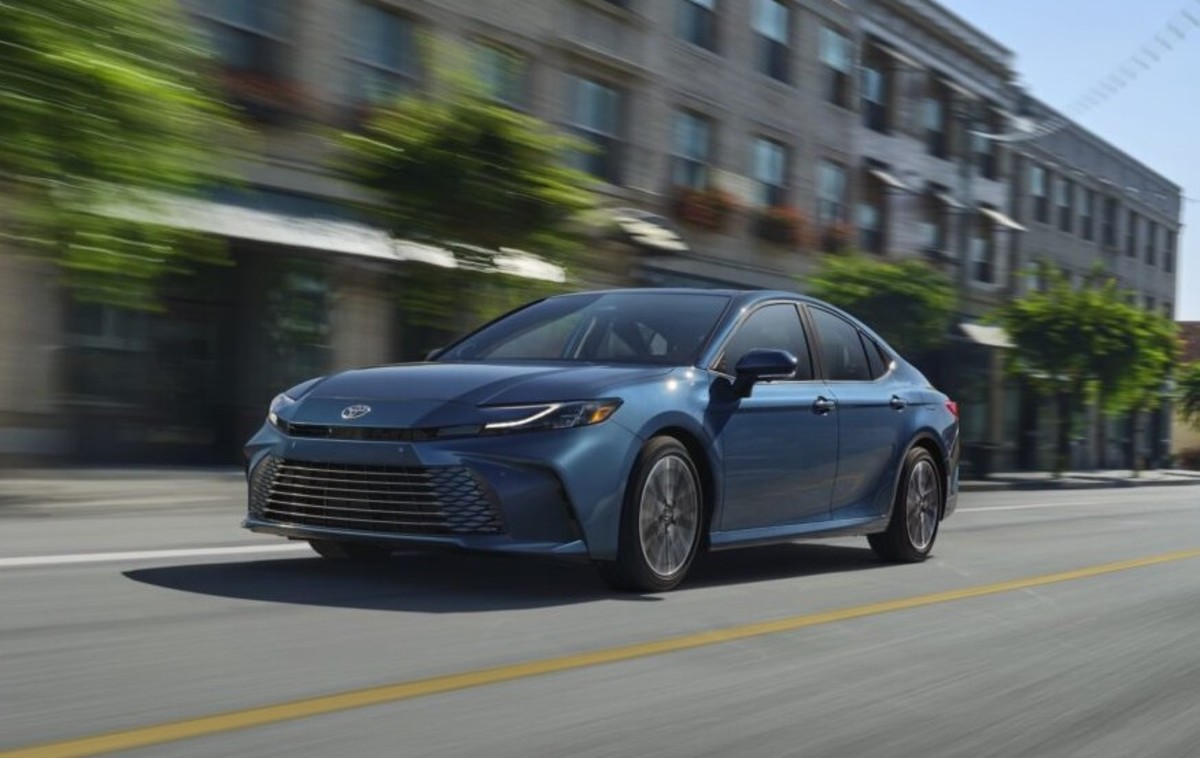
The Toyota Camry may be a proven leader in the segment, but the Japanese sedan faces heavy competition from Korean rivals. The 2026 Hyundai Sonata and Kia K5 top the Camry in top-spec performance, and the former matches the Camry’s efficiency in hybrid form. That’s not to mention the price differences between the two Korean sedans and the Camry. Make sure to test-drive all three models before you buy!