As the years pass, exercise stops being about appearance and becomes an act of genuine self-care and shared appreciation. Mature couples discover that staying active is not just a matter of health, but a way of creating moments that remind them they can still move forward with energy and intention. It is no longer about intensity, but about consistency, steady breathing, and listening to the body with patience and respect.
At any age, it is possible to strengthen muscles, improve balance, protect the joints, and maintain the flexibility needed to enjoy daily life. When two people decide to support each other in that process, movement gains a sweeter meaning: it becomes a way of staying close, of honoring their story, and of embracing each day with renewed hope. These exercises are designed for couples who want to continue walking together with lightness, stability, and confidence, no matter the decade they are living in.
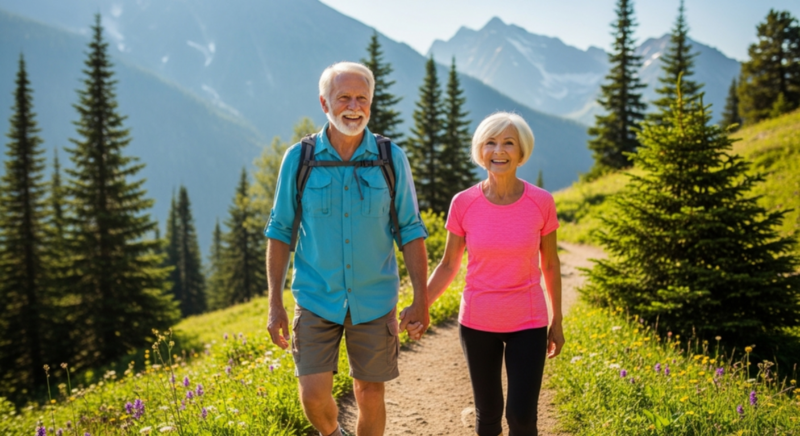
1. Gentle outdoor walks
Walking for 20 to 30 minutes a day is one of the most complete exercises for older couples. The pace is calm, the breathing becomes steady, and each step is a quiet gesture of commitment to health and to the simple pleasure of being present. Walking helps maintain mobility in the hips and knees, improves circulation, and preserves endurance without overexertion.
Doing it together nurtures a type of companionship that lifts the spirit. As they walk, couples talk, observe their surroundings, and strengthen the certainty that life still unfolds with simplicity. It is a gentle way of staying connected to the world and to their shared story.
2. Morning stretching
Dedicating a few minutes after waking to stretch the arms, back, and legs helps release tension and activate the body with softness. This routine prevents stiffness, improves posture, and prepares the joints for the day ahead. It requires no great effort—only constancy and calm breathing.
When couples stretch together, they create a small ritual of alignment. It becomes a reminder that they can still begin the day side by side, with serenity and care. Sharing that moment strengthens cooperation and a sense of well-being.
3. Balance exercises using a wall for support
In the 70s, 80s, and 90s, balance becomes essential to prevent falls. Practicing standing on one leg with a hand resting lightly on the wall gradually strengthens the ankles, legs, and overall stability. Each attempt builds confidence in the body’s ability to stay centered.
Doing this exercise as a couple allows encouragement without pressure. Each partner observes the other’s progress and celebrates small but meaningful improvements. This mutual support becomes a tender form of shared care.
4. Sitting and standing from a chair
Slowly sitting down and standing up strengthens the legs, hips, and core. It is practical, safe, and closely tied to everyday functional strength. All that is needed is a sturdy chair and mindful posture.
Practicing this as a couple turns a simple movement into an expression of perseverance. It becomes a way of confirming that they can still help each other stay strong and independent, always respecting each other’s rhythm.
5. Gentle shoulder and arm mobility
Performing arm circles, lifting the shoulders, or opening the chest improves flexibility in the upper body. These movements ease accumulated tension and help maintain a wide range of motion important for daily activities.
Doing this together allows each partner to guide and accompany the other with calm encouragement. It becomes a shared space where the body feels safe, supported, and cared for.
6. Conscious breathing exercises
Deep, slow breathing for a few minutes relaxes the nervous system, improves oxygen flow, and quiets the mind. For older couples, conscious breathing becomes a way to reconnect with life from a place of gentleness.
Sharing these moments helps them meet in silence without demands or expectations. It is a pause that comforts, organizes emotions, and offers a peaceful sense of companionship.
7. Heel raises
Raising and lowering the heels strengthens the calves and improves stability when walking. It is simple, accessible, and increases circulation with minimal effort.
Doing this in pairs encourages steady progress without comparison—only shared motivation. Each repetition becomes a small gesture toward an active, aware approach to aging.
8. Gentle neck rotations
Slowly moving the neck from side to side and up and down helps release tension and prevent discomfort. It is especially useful for those who feel stiffness due to age or prolonged sitting.
Practicing this together allows them to look after each other, ensuring movements are smooth and safe. It becomes a quiet gesture of protection and closeness.
9. Senior-friendly yoga
Simple poses like mountain, assisted tree, or cat-cow help maintain flexibility and improve breathing. Adapted yoga allows the body to remain both soft and strong.
Practicing yoga as a couple creates a shared moment of calm. Both learn to listen to their bodies respectfully and discover a type of movement that honors every season of life.
10. Light indoor walking
Walking inside the home for a few minutes keeps the body active when the weather does not allow going outside. It is practical, easy, and safe.
Doing this together turns the home into a meaningful path. It becomes a reminder that movement does not require grand scenery—just the intention to keep going.
11. Stepping on and off a low step
Using a small step strengthens the legs and improves coordination. It is ideal for building endurance carefully and gradually.
Working together allows them to motivate each other while ensuring the pace is comfortable. This shared attention makes the exercise kinder and safer.
12. Light resistance band exercises
Using low-resistance elastic bands helps maintain strength in the arms and legs without strain. It is a safe and effective tool for older adults.
Sharing this routine creates a sense of joint purpose. Each movement reminds them that discipline can also be gentle and companionable.
13. Slow dancing or rhythmic movement
A few minutes of slow dancing improves balance, coordination, and circulation. Beyond the physical benefits, it awakens joy and emotional vitality.
Dancing together reconnects them with memories and moments of affection. It brings back a sense of harmony simply through moving to the same rhythm.
14. Leg stretching from bed
Before getting up, stretching the legs and flexing the ankles helps activate the muscles without effort. It is ideal for mornings that require a calm start.
Doing this together reinforces a sense of shared routine. Each gentle movement becomes a bridge toward a day that begins with softness.
15. Hydrotherapy or warm-water exercises
Movement in warm water reduces pressure on the joints and strengthens the entire body with less physical demand. It is a refreshing and soothing option for older couples.
Sharing time in the water creates a deep sense of comfort. The body feels lighter, tension fades, and both enjoy a space that brings calm and renewed energy.