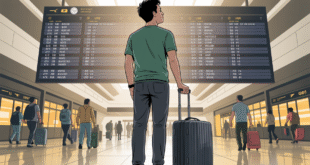
As government employees across the United States face uncertainty regarding their return to work, travelers are experiencing increased anxiety, particularly those planning vacations. In today’s economic climate, many people are searching for ways to save money, including when booking flights. If you’re considering a trip in the near future, it’s wise to think twice before opting for a basic economy ticket, especially during the ongoing government shutdown.
The Risks of Basic Economy Tickets
Travel agents often caution about the hidden costs associated with basic economy fares. With the recent government shutdown affecting Federal Aviation Administration (FAA) employees—responsible for air traffic control and airport safety—and Transportation Security Administration (TSA) personnel, the potential for flight disruptions is heightened. If FAA or TSA operations are halted, it can lead to significant delays or even cancellations, impacting your travel plans.
While basic economy tickets may seem like a budget-friendly option, they can end up costing you more in the long run, particularly if you find yourself facing flight cancellations or rebookings. For instance, recent events at Hollywood Burbank Airport highlighted this risk when the airport went to “ATC Zero,” meaning air traffic control services were entirely unavailable. As a result, many flights were either canceled or redirected, leaving passengers with limited options—often just vouchers for future travel. However, because the cancellation was not the airline’s fault, passengers without travel insurance or non-refundable basic economy tickets may not receive any compensation, leading to significant financial loss.
Understanding Refund Policies
If you’re wondering whether you’re entitled to a refund for a grounded flight booked under basic economy during the government shutdown, the answer is somewhat ambiguous. The Department of Transportation (DOT) states that refunds are available in cases of flight cancellations, schedule changes, or significant delays caused by the airline. However, the DOT does not specify what constitutes a “significant delay,” and evaluations are typically handled on a case-by-case basis.
When you book a non-refundable basic economy ticket, you’re essentially taking a risk with your finances. Without travel insurance, this gamble can have serious repercussions. Should your flight be canceled due to a lack of TSA or ATC personnel, you will likely not be reimbursed for any additional expenses incurred—such as hotel accommodations, car rentals, or tour bookings—since these situations are outside the airline’s control.
Best Practices for Air Travel During Uncertain Times
To mitigate potential issues while traveling during the government shutdown, consider the following recommendations:
- Invest in Travel Insurance: Look for policies that include cancellation coverage. This small investment can save you from losing money if your plans change unexpectedly.
- Upgrade Your Ticket Class: Spending a little extra on a ticket that offers more flexibility can be worthwhile. Higher-tier tickets typically come with better customer service, including options for refunds or changes.
- Stay Informed: Keep updated on the status of your flight and any changes in FAA or TSA operations. This knowledge can help you make timely decisions regarding your travel plans.
By following these precautions, you can safeguard yourself against the financial pitfalls associated with traveling during such uncertain times.
Conclusion
In summary, while basic economy tickets might seem like an attractive way to save a few dollars for your next vacation, they carry significant risks—especially in the context of the current government shutdown. Prioritizing travel insurance and selecting more flexible ticket options can help ensure that your travel experience is as smooth and enjoyable as possible, despite the challenges that may arise.
Ready to uncover more travel tips and insights? Stay tuned for expert advice that can help you navigate your next adventure.