Hail to you, mighty Muses of art and history!
As narrators have done for thousands of years,
I seek Thy aid.
Be you one or three or nine,
Bestow upon me creativity, so I can express Your majesty.
Individuals who have read classic literature are likely well-acquainted with the type of invocation shown above. Numerous epics commenced with a structured appeal for assistance fromthe Muses, and the author or musician often continued to honor the goddesses throughout the remainder of their narrative. Although there are not as many stories about the Muses as there are about other mythical characters, they are frequently mentioned by artists and academics.
It’s challenging to determine how many of these calls were sincere requests for help and how many were attempts to mimic the style of well-known works such asThe Odyssey. However, it is safe to say that the concept of the Muses continued into the modern era. Although some artists refer to a person in their life as their muse, others use them more metaphorically to express the presence—or absence—of creative inspiration.
But who were the first Muses? Ancient texts differ on the number, names, and backgrounds of these legendary beings, making it difficult to define them clearly. However, as time passed, various traditions merged into a common perception of nine official Muses, which are outlined below along with a broader explanation of their role in classical mythology.
Who were the Muses?
Much of our understanding of the Muses describes them collectively, making it essential to begin with that perspective. In most texts, the nine Muses are depicted as the offspring of Zeus and Mnemosyne, the deity associated with memory. According to Pseudo-Apollodorus, the Muses, listed from oldest to youngest, are Calliope, Clio, Melpomene, Euterpe, Erato, Terpsichore, Urania, Thalia, and Polyhymnia.
The nine resided and collaborated together, frequently attending important events to perform as a choir. According to a passage from Simonides, the Muses “are constantly dancing, and the goddesses enjoy engaging in songs and musical instruments.” In terms of instrumentation, the Muses are most closely associated with the lyre and the flute.
Besides being performers, the Muses were often shown as educators. They were seen as protectors of Athenian learning and were called upon when talking about prophecy, medicine, philosophy, and math. Being the daughters of Memory, they could inspire honesty in their followers, enabling Greeks to understand their past and achieve new breakthroughs.
Although the Muses are secondary characters in the Greek mythological stories, this does not mean they are unimportant. They were often depicted as companions to Apollo, theGod of Music, and Dionysus, the God of Theater. In addition, they were prominent individuals in a sequence of musical competitions.
When Marsyas confronted Apollo, the Muses acted as the arbiters. Nevertheless, they also faced off against the Sirens, whom they punished by taking their feathers; Thamyris, whom they deprived of his voice, musical ability, and memory; and the daughters of Pierus, whom they turned into birds. As in many stories, it was a disastrous move to challenge a deity within their own area of expertise.
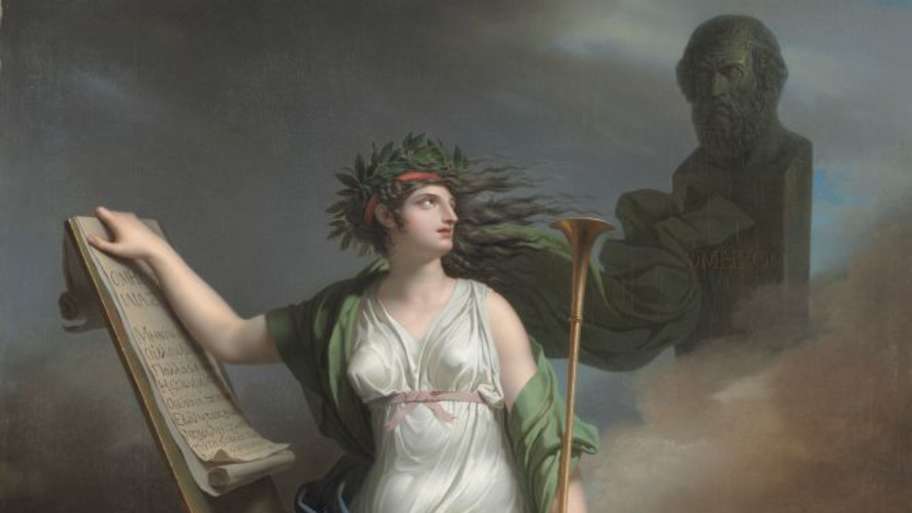
Calliope
Calliope is the eldest and “the greatest” of the Muses (Hesiod, Theogony 1), indicating that she was called upon more often than many of her siblings. She is associated with epic poetry, yet she was also believed to inspire persuasive speech in political settings. In certain accounts of the dispute between the Muses and the daughters of Pierus, Calliope represented them, emerging victorious by reciting an epic story about the kidnapping of Persephone.
Besides being the leader of the Muses, Calliope is widely recognized as the mother of Orpheus, whose music enabled him to enter the Underworld. After his death, Zeus permitted Calliope to commemorate his legacy by placing his lyre in the heavens as a constellation, indicating that she was a beloved daughter of his.
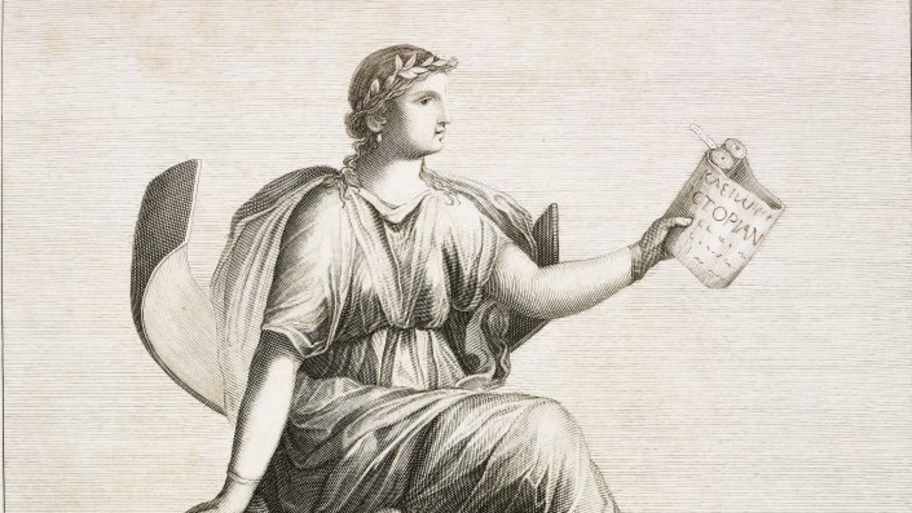
Clio
Clio is the muse of historyhistory, a role closely linked to her mother’s area of expertise, memory. It was thought that she knew and recalled everything, making her sought after by humans to gain insight into their past and to record recent events in history. Because of this second function, Clio was believed to hold influence over legacy. Those she supported would be remembered by history, while those she overlooked would be forgotten.
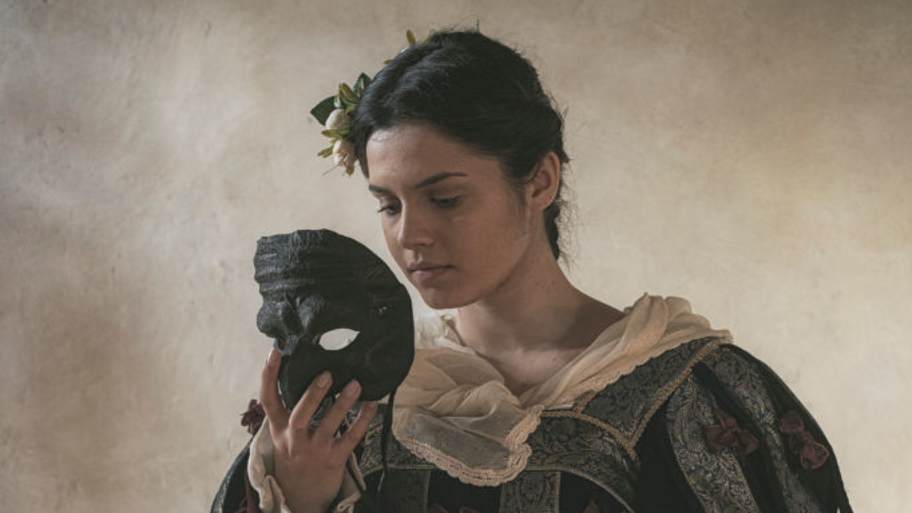
Melpomene
Although the name Melpomene is linked with music, her primary area of expertise was tragedy, resulting in one of the most somber representations among the Muses. She frequently appeared in scenes of mourning, where she would sing sorrowful songs about heroes and poets who had passed away. The official imagery associated with Melpomene featured both the mask used in tragic theater and a sword or dagger, which reinforced the belief that she could incite violence or even murder.
Although she is not as recognized by contemporary mythology enthusiasts, her daughters, the Sirens, are well-known. They utilized the enchanting voices they received from their mother to entice sailors and heroes toward their demise. It remains uncertain how Melpomene reacted when the Sirens challenged her in a musical competition, but it appears probable that their brutal actions provided her with plenty of inspiration for her songs and writings.
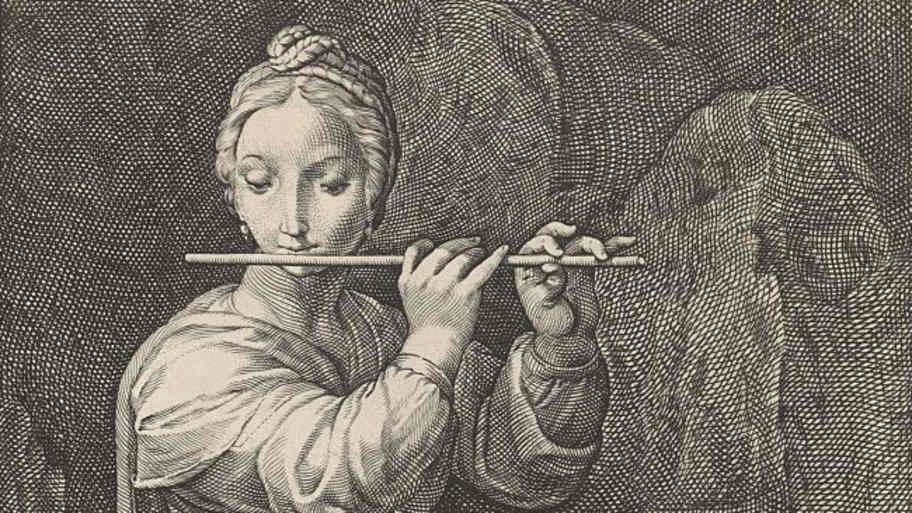
Euterpe
Euterpe is officially recognized as the muse of lyrical poetry, although her area of expertise is not as clearly defined as that of some of her siblings. She was commonly linked with flutes and other wind instruments, and her name roughly translates to “one who brings joy.” Due to this, it is reasonable to believe that she was mainly called upon when looking for inspiration for uplifting poems and songs, even though her appearance in historical records is limited, making it challenging to be fully certain.
Erato
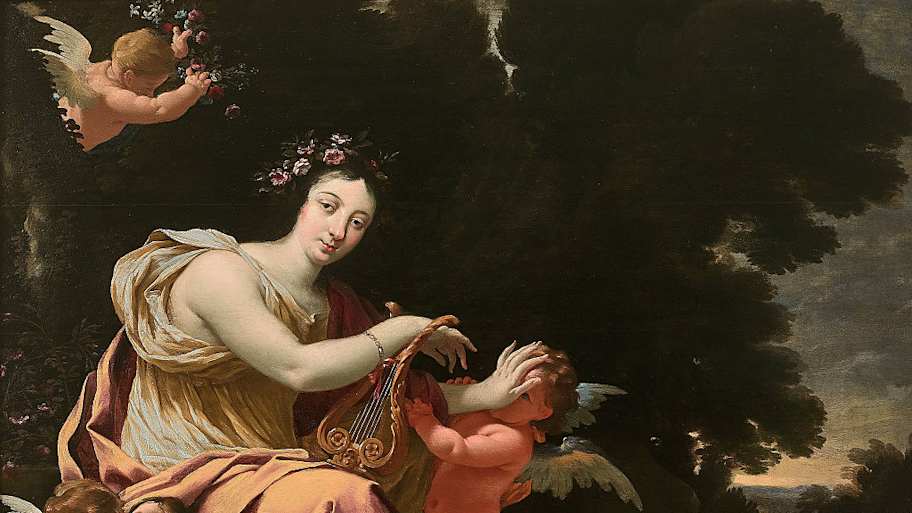
According to her name, Erato has a strong link to desire and its deity, Eros. Along with being the muse of love poetry, Erato was known for having the power to enchant the eyes. However, unlike Eros, who could impose desire upon unworthy humans, Diodorus Siculus stated that Erato “turns those she teaches into men who are desired and deserving of love.” Therefore, she encouraged men to improve themselves, rather than granting them the affection of women without any effort from their side.
This aligns with her narratives, as Erato appears to have been in a committed relationship with Malos, even though it was an arranged marriage. She is not shown as having multiple partners, unlike most other deities associated with desire, and her ancestry remains relatively consistent, as it has been traced to her great-grandson Asklepios, theGod of Medicine.
Terpsichore
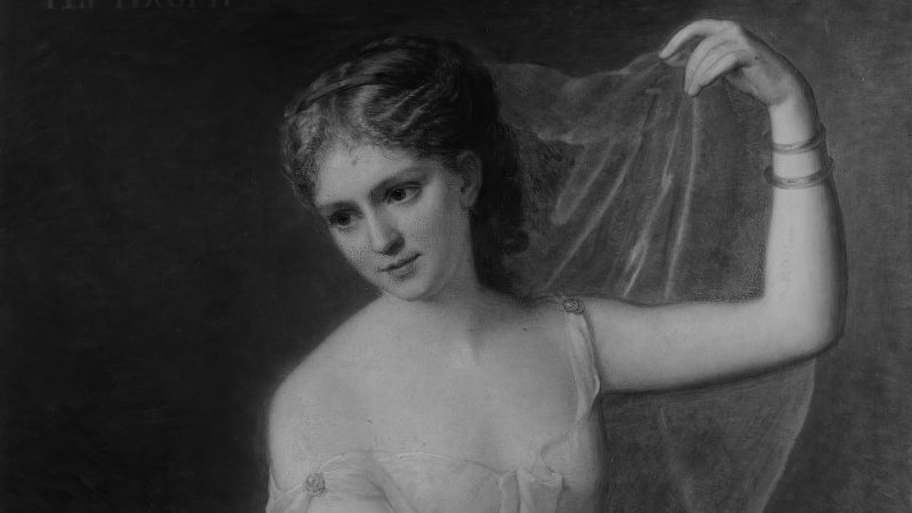
Terpsichore, both in name and area of expertise, is a devotee of dance who encourages dancers and takes pleasure in the compositions of renowned musicians. She was associated with the Charities, deities of dance who resided close to the Muses. Although she is sometimes referred to as a potential mother of heroes, there are fewer remaining records about her compared to her sisters, due to the limited written documentation related to her area of influence.
Urania
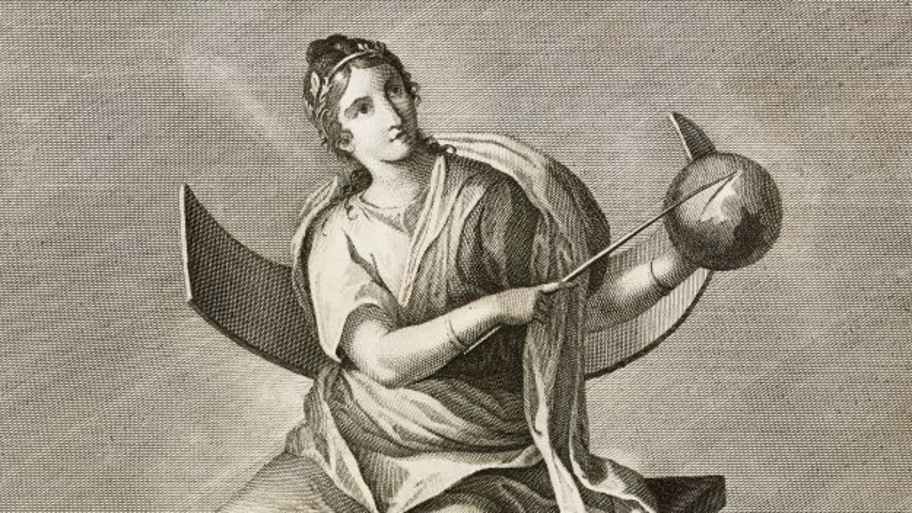
Urania might have the most intriguing background to her name since she is the muse associated with astronomy. Although this is simple to recall today, the planetUranus remained unknown until 1781., so it could not have affected the Greeks when they chose her name. Rather, she was named following her grandfather Uranus, the deity of the sky. This is significant because the Greeks had a much more extensive knowledge of astronomy compared to what we have today.
Although Urania was recognized for her expertise in celestial objects, which could be admired by academics, she was also closely linked to prophecy and philosophy. It was thought that she could predict the future based on the alignment of the stars, strengthening her bond with Apollo. Philosophers called upon her name since they believed she could spark ideas that went beyond the “earthbound” views of those who remained on the ground.
Thalia
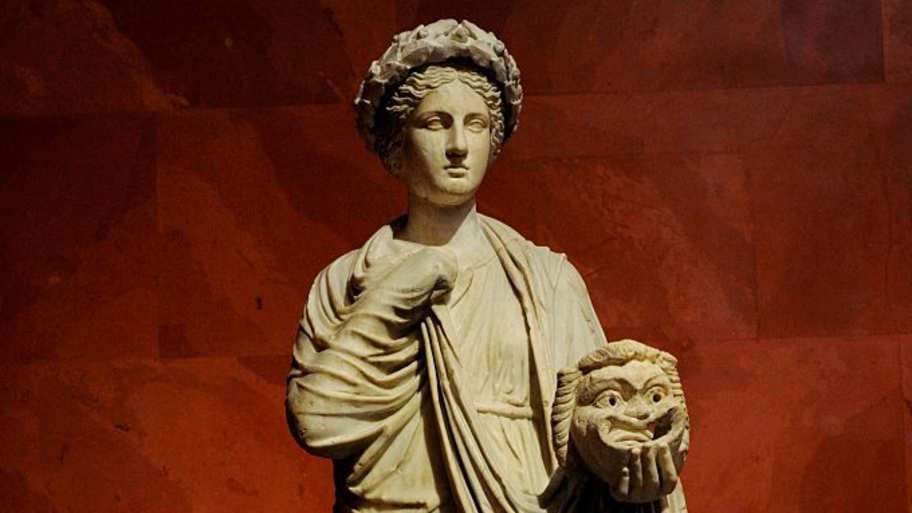
Thalia is frequently shown as the counterpart to her sister Melpomene, representing the muse of comedy and rural poetry. While Melpomene was linked to death, Thalia symbolized life and development. This duality extended to both a literal interpretation, where she was connected to nature and vegetation, and a more symbolic one, where those she sang about would flourish. Because of this association, she was commonly illustrated with both a theatrical comedy mask and a shepherd’s staff.
Polyhymnia
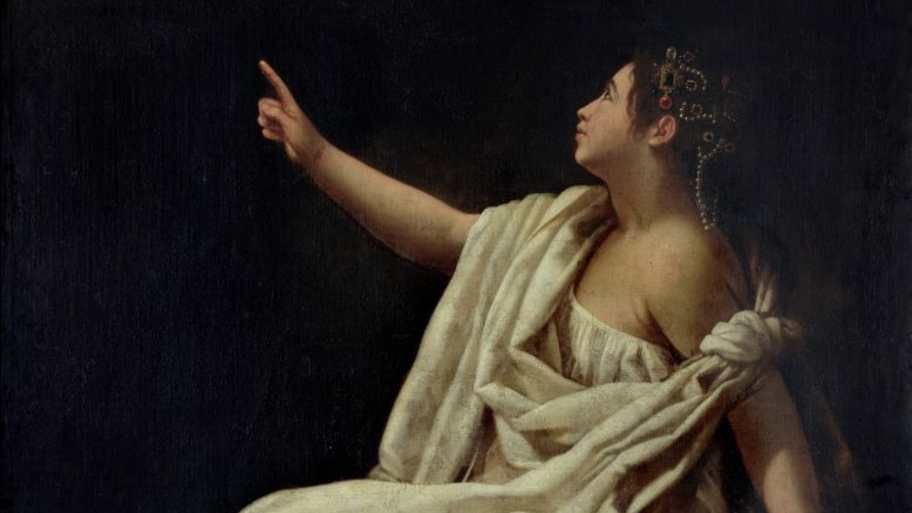
As one might infer from her name, Polyhymnia is the muse associated with hymns and religious poetry, although she could more precisely be considered the muse of admiration. The sacred aspect of her area of influence earned her the title of goddess of contemplation, yet she also had the ability to lead humans into the sacred domain. Similar to her sister Clio, if Polyhymnia praised an individual, it ensured their memory would endure.
Find Out More About Greek Mythology:
- 6 of the Most Unusual Beasts in Greek Mythology
- Test: Do You Know the Greek Deity or Goddess?
- 6 Common Misunderstandings About Ancient Greece
This piece was first released on asIntroducing the Muses: What Are the Nine Female Deities of the Arts in Greek Mythology?.