A Life Sentence for a Former Actor Accused of Sexual Assault
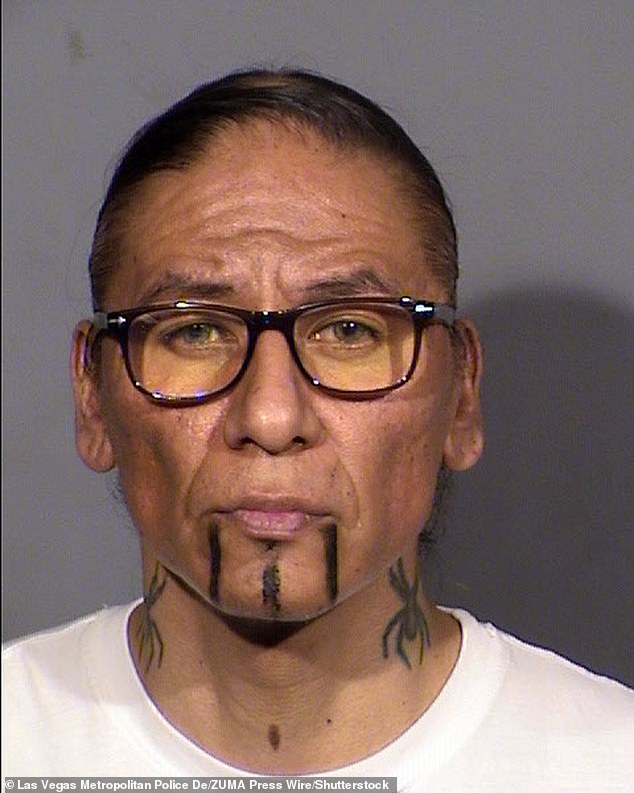
Nathan Chasing Horse, best known for his role in the film Dances With Wolves, was sentenced to life in prison on Monday after being convicted of sexually assaulting Indigenous women and girls. Despite the severity of the charges, Chasing Horse showed no signs of remorse during the sentencing. He called the verdict a “miscarriage of justice” in court, continuing to deny his guilt.
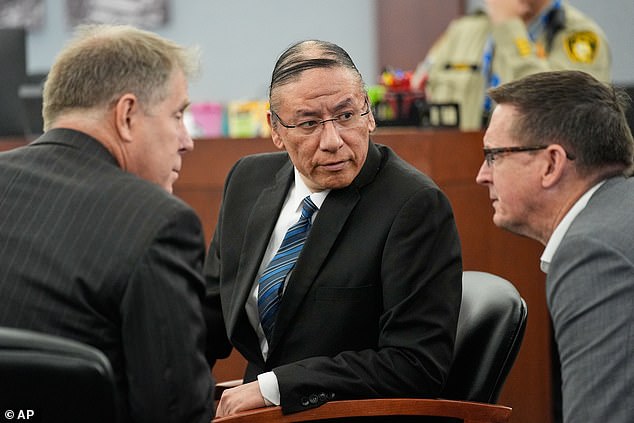
The actor faced 13 charges, mostly related to sexual assault, following a jury trial that concluded earlier this year. Three women came forward with allegations, including one who was just 14 years old when the assaults began. While some charges were dismissed, the remaining convictions led to the life sentence.
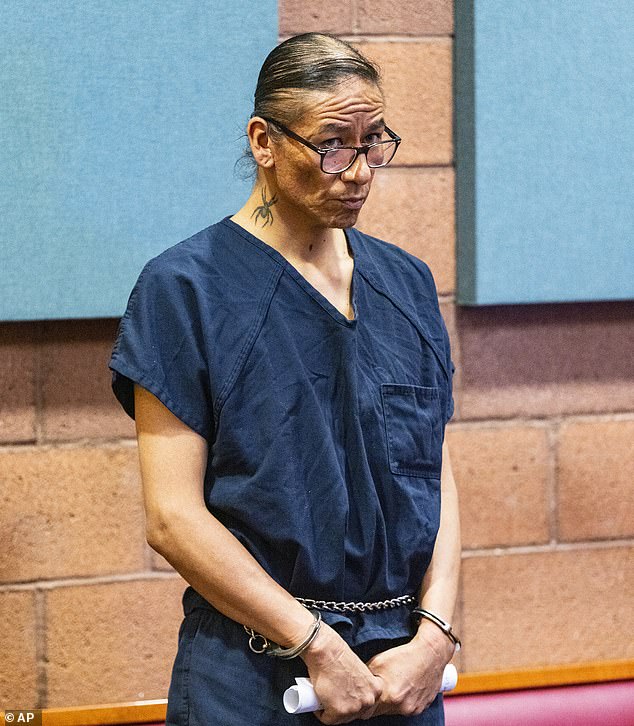
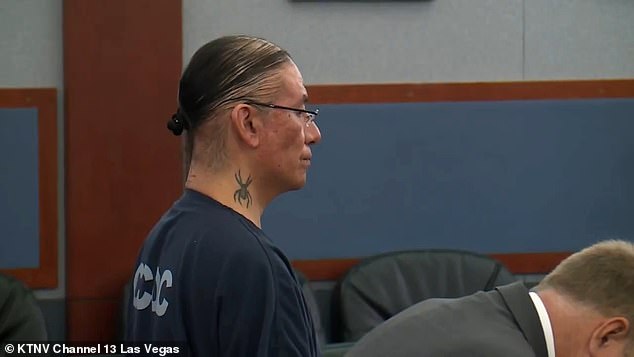
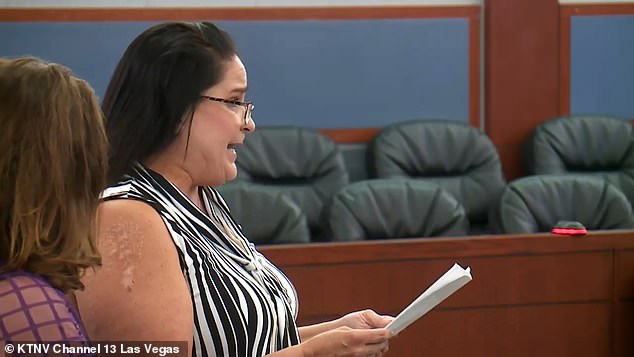
Accusers and their families described the lasting trauma caused by Chasing Horse’s actions. They spoke about how his exploitation of his position as a spiritual leader has deeply affected their faith and mental health. During the sentencing, victims read statements in court, while Chasing Horse remained stoic, wearing his navy blue uniform from the Clark County Detention Center.
A Long Legal Battle
The case against Chasing Horse has spanned several years. He was first arrested and indicted in 2023, which sparked attention across Indian Country. Law enforcement in other states and even Canada followed up with additional charges, though many are still pending.
In British Columbia, Chasing Horse was charged with sexual assault in February 2023, though the alleged offense occurred in September 2018 near Keremeos, a village about four hours east of Vancouver. The case was paused in November 2023 due to the U.S. charges but resumed the following year. Once all appeals are exhausted, British Columbia prosecutors will determine next steps, according to Damienne Darby of the British Columbia Prosecution Service.
An outstanding warrant remains in Alberta, where the Tsuut’ina Nation Police Service is in contact with the Alberta Crown Prosecutors Office regarding the matter.
A Background of Influence and Exploitation
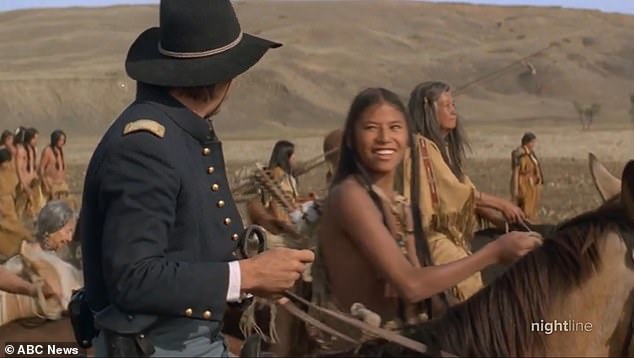
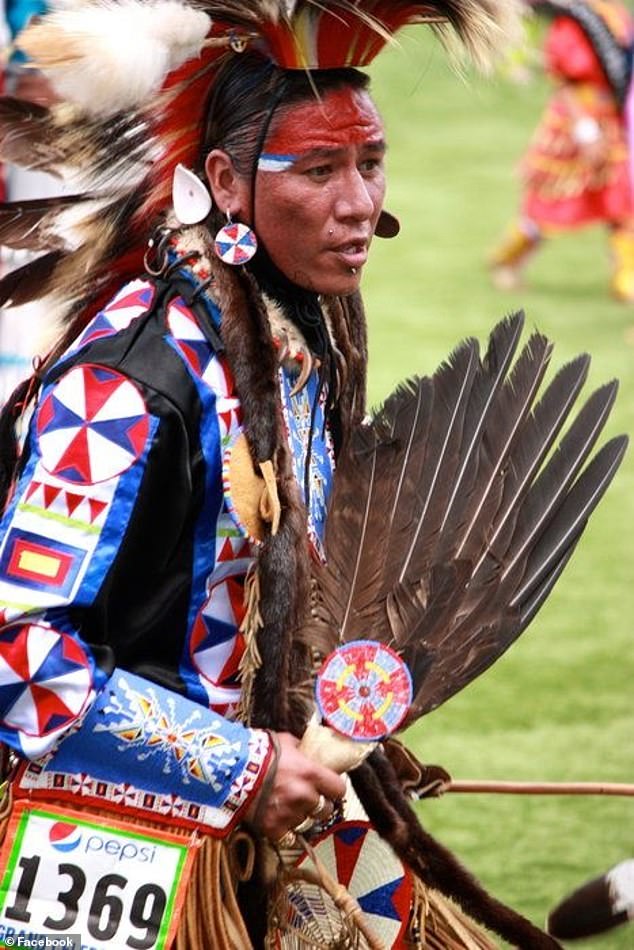
Chasing Horse was born on the Rosebud Reservation in South Dakota, home to the Sicangu Sioux, one of the seven tribes of the Lakota nation. His appearance in Dances With Wolves brought him into the spotlight, and he later traveled across Indian Country to attend powwows and perform healing ceremonies.
During the trial, Nevada prosecutors accused him of using his reputation as a Lakota medicine man to prey on Indigenous women and girls. Deputy District Attorney Bianca Pucci told the jury that Chasing Horse had “spun a web of abuse” over nearly two decades, targeting many women.
Three women testified about their experiences, with one describing how Chasing Horse allegedly told her that the spirits wanted her to give up her virginity to save her mother, who was battling cancer. The assault continued for years, with threats that if she spoke out, her mother would die.
The Impact on Victims and Their Families
Corena Leone-LaCroix, one of the victims, shared her pain during the trial. She said the loss of her childhood, her first kiss, and her graduation were taken from her forever. “There is no way to get back the youth, the childhood loss,” she said.
Victims and their families testified about the long-term effects of the trauma, including struggles with faith and spirituality. One mother said she still finds it difficult to regain her trust in sacred traditions after Chasing Horse betrayed it.
Another victim described complications from an ectopic pregnancy caused by the assault, leading to surgery. She expressed hope for a fresh start, vowing to rebuild her life and fight for her future.
A Call for Accountability
Dr. Crystal Lee, CEO and founder of United Natives, a group that supports victims of sexual abuse, emphasized the importance of holding high-profile perpetrators accountable. She hopes the victims find peace with the sentencing and believes Chasing Horse’s case highlights the need to believe survivors.
Lee also pointed out that Chasing Horse used his status as an actor and medicine man to exploit his victims, similar to other faith leaders who abuse their power. “It makes us question who we trust and why we trust,” she said.
This case underscores the broader issue of power dynamics in Indigenous communities and the need for justice for those who have suffered.