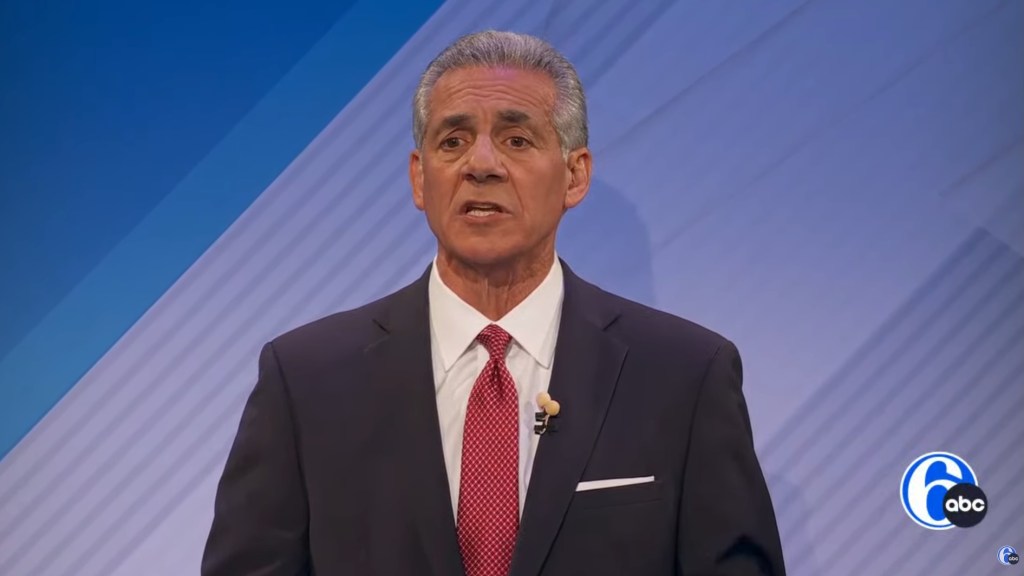
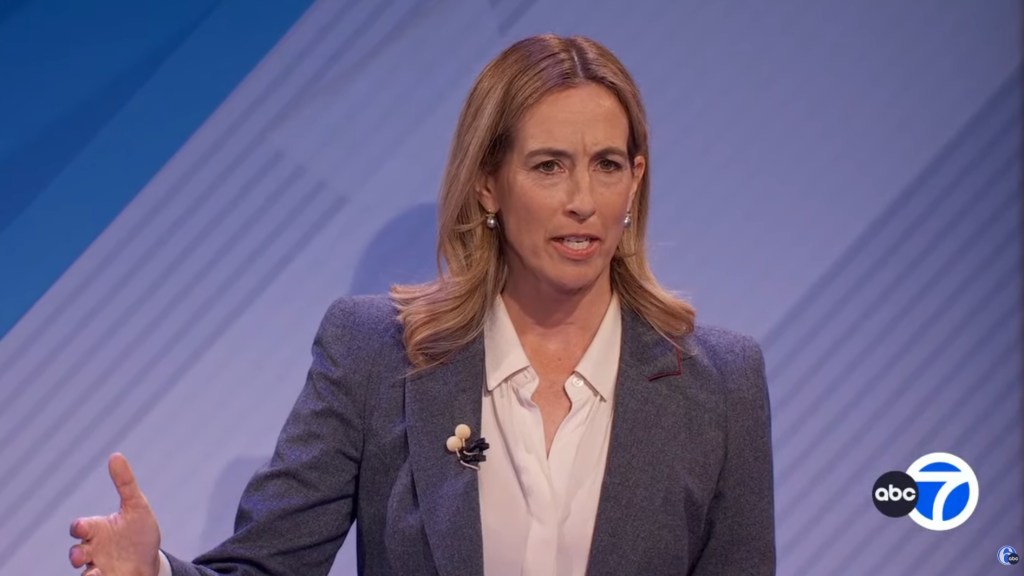
The second gubernatorial debate in New Jersey showcased a heated exchange between Republican candidate Jack Ciattarelli and Democratic Representative Mikie Sherrill, as both candidates engaged in personal attacks and contentious accusations. The intensity of the debate was underscored by the tightening race, with polls indicating Ciattarelli had narrowed Sherrill’s lead to just 3.3 points, leaving some surveys showing the candidates virtually tied.
Key Moments from the Debate
Attacks on Business Practices and the Opioid Crisis
During the debate, Sherrill seized the opportunity to criticize Ciattarelli’s business dealings, particularly in relation to the ongoing opioid crisis. She claimed that while Ciattarelli often touts his business acumen, many in New Jersey may not be aware of how he profited from working with pharmaceutical companies that downplayed the risks associated with opioids.
- “My opponent likes to talk a lot about being a businessman, but I think what New Jersey doesn’t know much about his business, how he made his millions by working with some of the worst offenders and saying that opioids were safe,” Sherrill stated.
- She alleged that Ciattarelli was paid to develop an app that made it easier for individuals struggling with addiction to access opioids, referencing past controversies surrounding his company’s training materials that were criticized for promoting inaccurate narratives about opioids.
In response, Ciattarelli expressed indignation at Sherrill’s accusations, asserting, “First of all, shame on you.” He shifted the focus to the Biden administration’s handling of the fentanyl crisis, suggesting that Sherrill had been complicit in the issues stemming from the southern border.
Energy Costs and Utility Rates
Another contentious topic was Sherrill’s proposed plan to declare a state of emergency to alleviate rising utility costs for residents. Ciattarelli challenged the validity of her plan, emphasizing that even Governor Phil Murphy, a fellow Democrat, had questioned its feasibility. He pointed out that of the 52 Democratic legislators on the ballot, none had endorsed her approach to reducing electricity rates.
- “My opponent has put forth an illegitimate plan that isn’t feasible,” he argued.
- To address soaring energy prices, which he noted are at an all-time high, Ciattarelli proposed withdrawing New Jersey from the Regional Greenhouse Gas Initiative (REGI), labeling it a significant financial burden on the state.
National Politics and Government Shutdown
National politics played a prominent role in the debate, with stark contrasts in how the candidates viewed President Trump. Ciattarelli awarded Trump an “A” for his performance, praising his border security measures and economic policies. Conversely, Sherrill gave the president an “F,” attributing blame for the ongoing government shutdown to the Republican leadership.
- “Right now, with the president, with the Senate and the House, all in GOP hands… they’ve got to work to reopen government,” Sherrill stated, pressing for accountability.
- Ciattarelli countered by highlighting Sherrill’s voting record during previous government shutdowns, suggesting her inconsistency on the issue.
Tensions escalated further when Ciattarelli demanded that Sherrill disclose her disciplinary records from her time at the Naval Academy, following revelations about her being banned from participating in her class’s commencement ceremony. He challenged her claims of transparency, insisting that voters deserve clarity on her past.
- “Mikie said that she was the most transparent gubernatorial candidate of all time… she needs to come clean,” Ciattarelli insisted.
- In her defense, Sherrill refused to release the records, claiming that she was unfairly targeted and that her records had been improperly disclosed by Ciattarelli’s associates.
Conclusion
The debate illustrated the high stakes of the gubernatorial race in New Jersey, with both candidates resorting to personal attacks and contentious exchanges. As the election approaches, the dynamics between Ciattarelli and Sherrill will likely continue to evolve, keeping voters on edge as they weigh their options.