The Emerging North American Charging Standard (NACS)
The North American Charging Standard (NACS), originally introduced by Tesla, is on its way to becoming an official standard for electric vehicle (EV) charging. The Society of Automotive Engineers (SAE) has recently released its J3400 EV Coupler Recommended Practices document, marking a significant step in guiding automakers and charging companies in integrating NACS into their vehicles and infrastructure. This development began on October 8 and is expected to evolve with enhancements leading to a finalized standard by the end of the year.
Advantages of NACS Over Legacy Standards
NACS stands out as a more advanced vehicle charging protocol, crafted by an electric vehicle startup that is simultaneously investing in both the vehicles and the necessary charging infrastructure. This unique positioning enables NACS to create an optimized ecosystem capable of supporting various voltages and charging types. In contrast, the J1772 standard, primarily established by traditional automakers who were new to electric vehicles and not heavily involved in the charging infrastructure, resulted in a connector that is often described as cumbersome.
The legacy OEMs are now investing in charging networks, such as Ionna, which allows them to better appreciate the infrastructure-friendly design of NACS compared to the older standards.
Enhanced Communication and Diagnostics
One of the remarkable features of NACS is its capability for digital communication between the EV and the charger. For instance, when a ground-fault interruption occurs at a Tesla home charger, both the vehicle and the charger can identify and report the issue. This is a stark contrast to the J1772 standard where such information is not shared, often leading to time-consuming troubleshooting at the dealership.
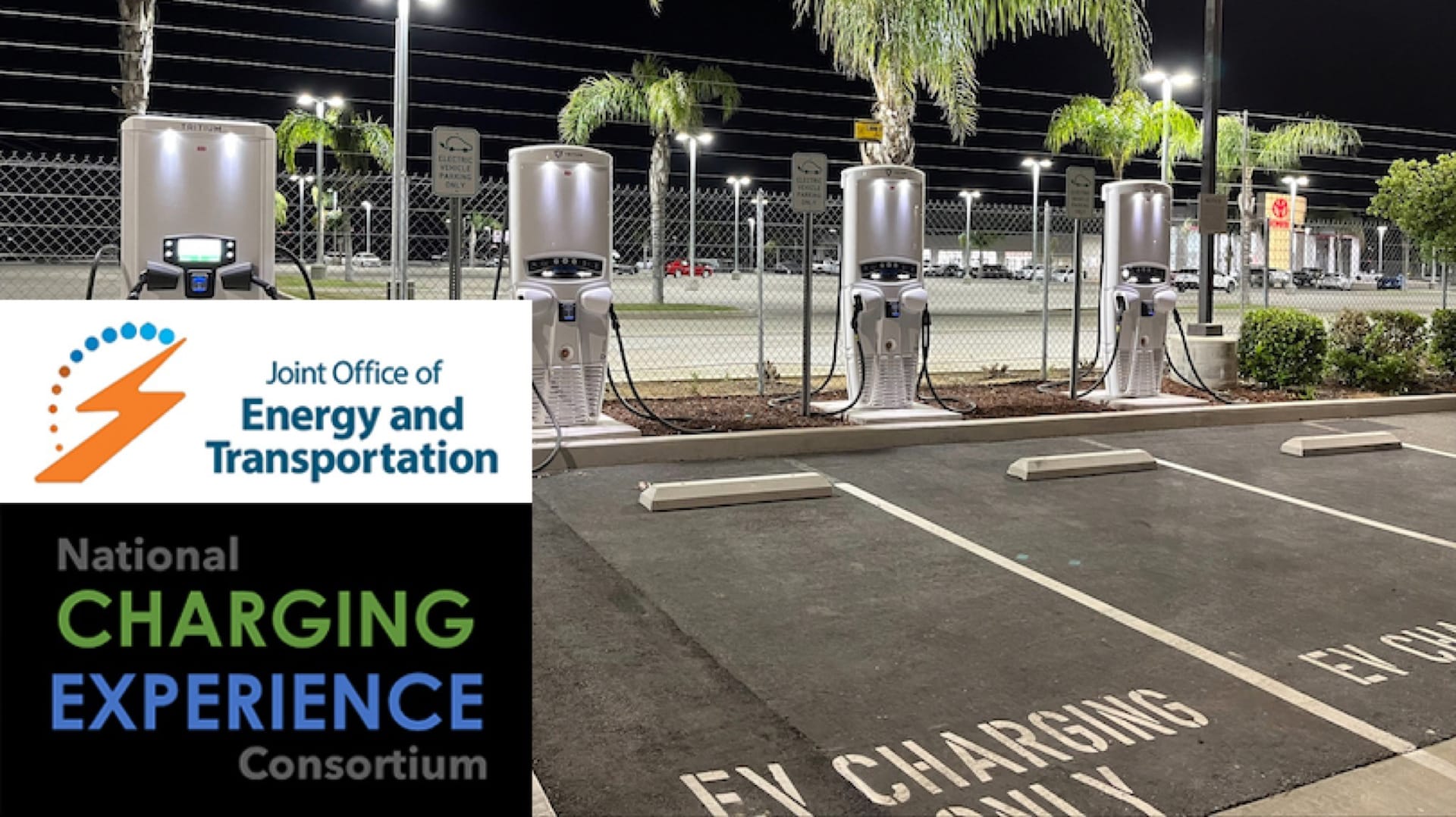
In May 2023, the Federal Highway Administration initiated the National Charging Experience Consortium (ChargeX), which has developed a series of error codes for public EV chargers. These codes are integrated into the J3400 standard. For example, if the cord-to-vehicle lock is unresponsive, it indicates a potential issue with the cord, a capability that many previous chargers lacked.
The Bring Your Own Cable Concept
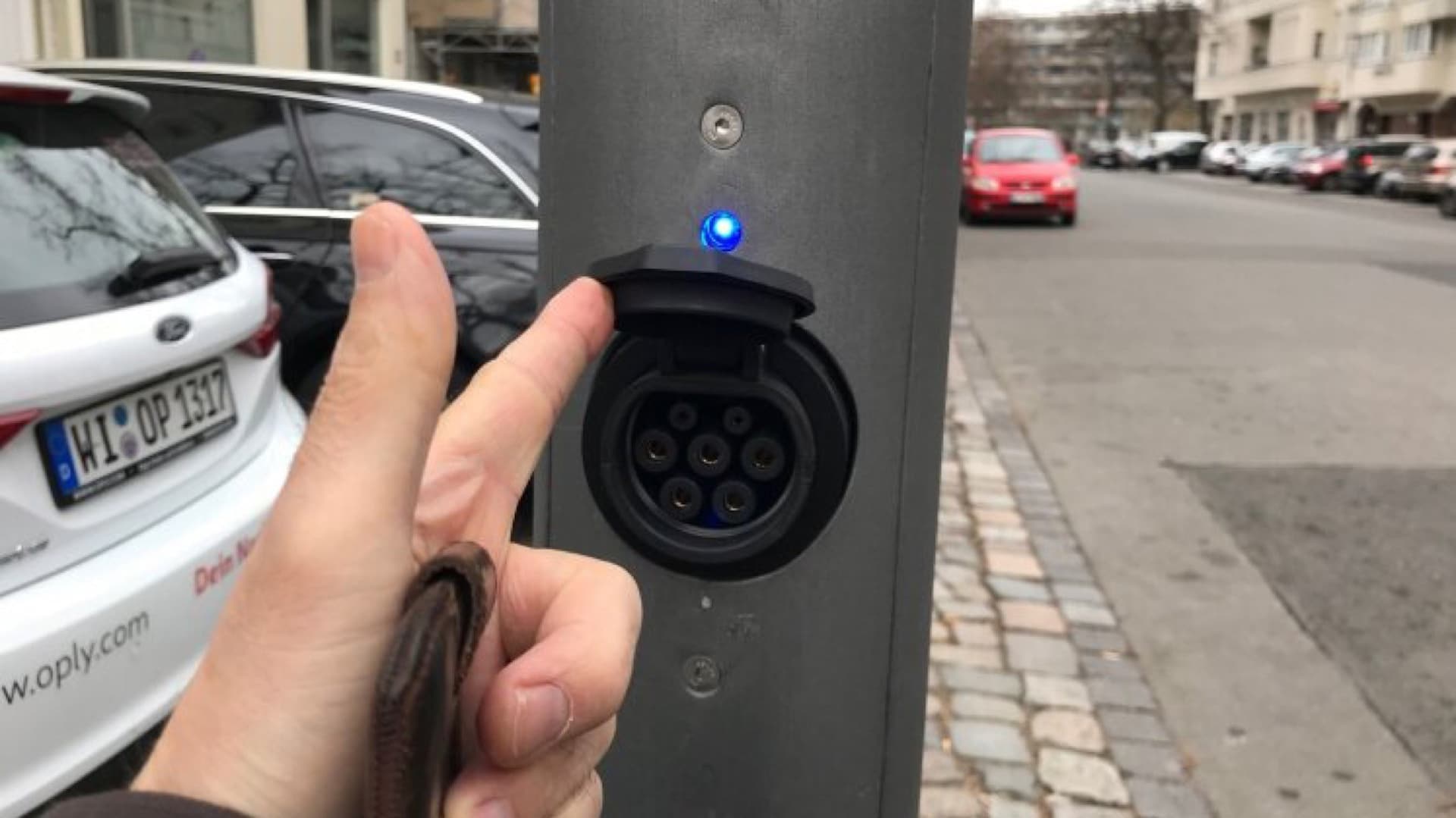
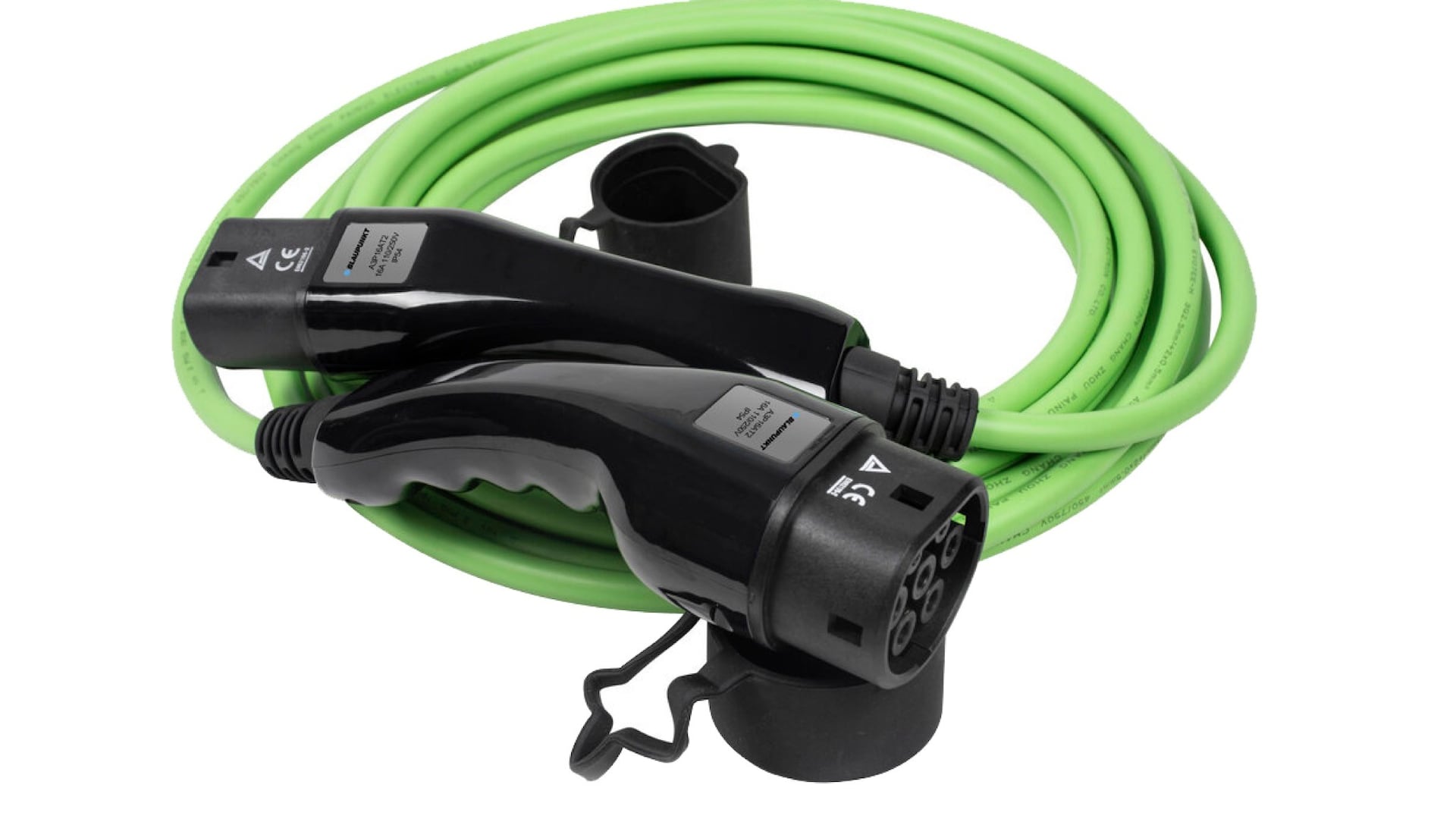
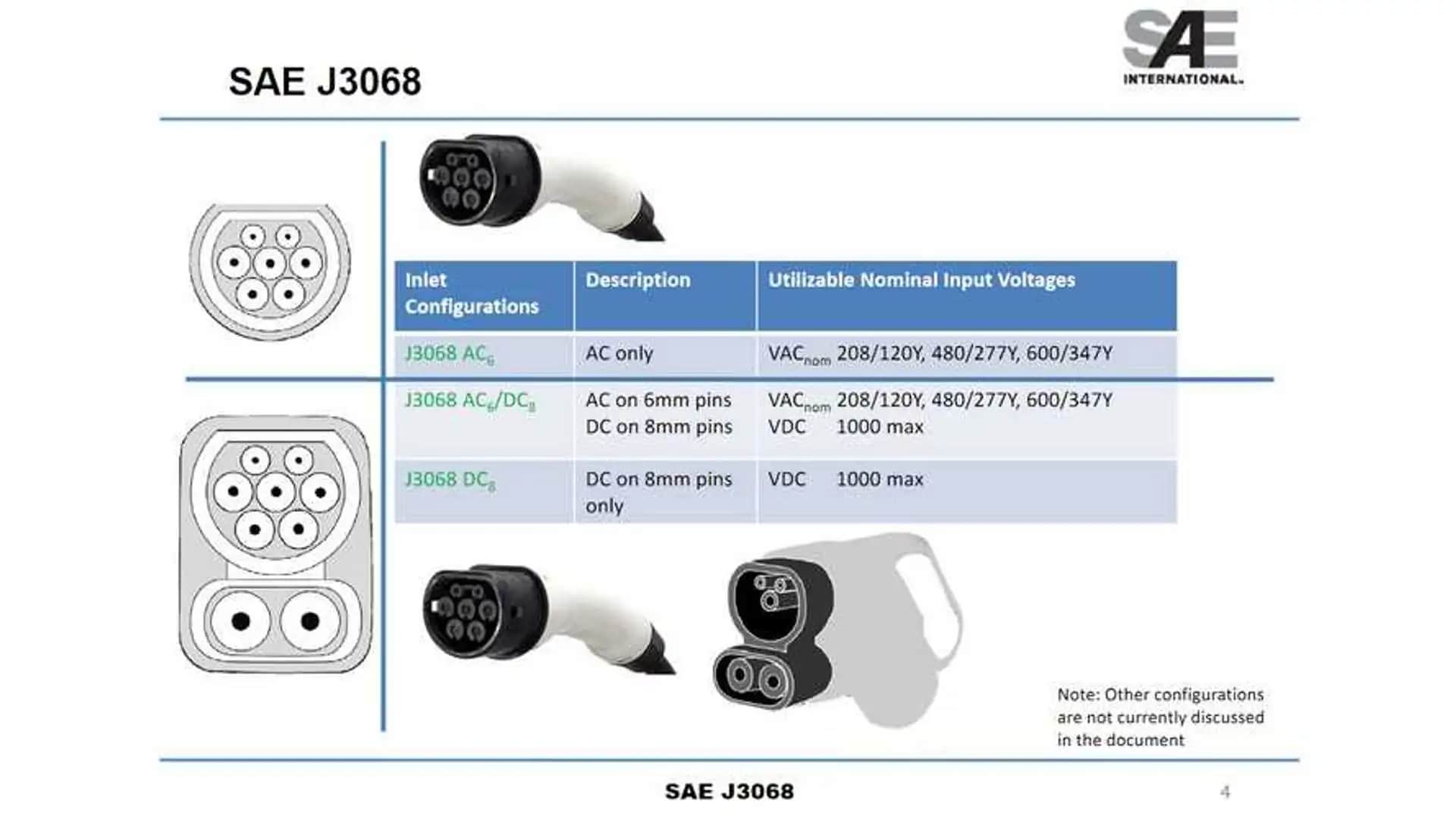
Globally, Level 2 charging infrastructure typically presents a socket, requiring users to bring their own charging cord. This method simplifies the infrastructure and allows for innovative solutions such as street-side lamppost charging. It also provides a practical solution for apartment residents who may not have easy access to dedicated charging stations. The J3400 standard supports this approach, utilizing a plug design based on European standards.
High Power Charging Capabilities
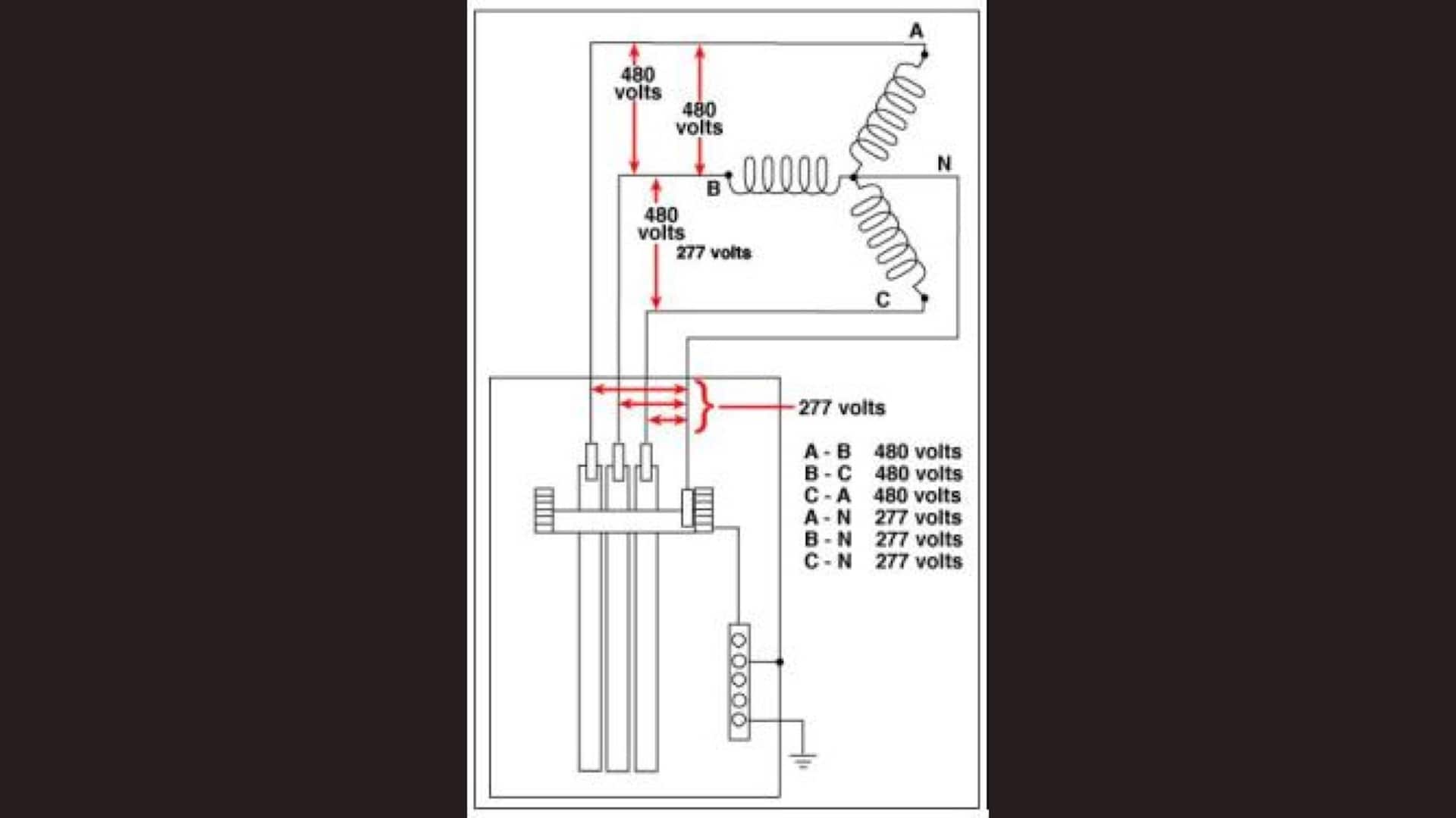
The J3400 standard accommodates charging at up to 1,000 volts with current flow rates reaching 900 amps under certain cooling conditions. This is significant for future developments in EV charging technology. For instance, Tesla’s connectors are designed to work with both residential 208–240-volt power and the 277-volt supply typical in commercial buildings. This innovation allows businesses to offer AC charging without the additional expense of transformers, which is crucial for controlling costs when expanding charging networks.
Efficiency and Cost-Effectiveness
The SAE estimates that approximately half of commercial or urban sites might incur double the installation costs for Level 2 charging using the J1772 standard compared to adopting the J3400 framework. The higher voltage associated with J3400 not only accelerates charging times but also reduces electrical losses significantly.
Three-Phase Charging for Medium-Duty Fleets
The J3400 standard includes provisions for a global plug that enables 480-volt three-phase AC charging. This is particularly beneficial for medium-duty fleet operators, as it can save costs associated with installing DC fast chargers. While this requires a specialized plug on the vehicle, it offers the added benefit of allowing trucks to power various loads, similar to a generator—ideal for large job sites or emergency recovery situations.
Encouraging Widespread AC Charging
The NACS protocol simplifies the addition of AC charging options in workplaces and greatly expands the availability of public charging stations. The overarching goal, as explained by Dr. Rodney McGee, chairman of the SAE J3400 NACS Task Force, is to ensure that vehicles can be charged when parked, allowing them to utilize excess renewable energy generated from wind and solar sources. This approach not only promotes cost-effective charging but also supports a greener energy landscape.
As bi-directional charging technology becomes more common, the potential for the electrical grid to store surplus renewable energy and draw from it during peak demand periods will become increasingly vital. Without the widespread availability of AC charging, especially for apartment dwellers relying on DC fast charging during peak hours, the demand for additional power generation will continue to grow.