Paterson Faces Potential Furloughs and Job Cuts as Budget Crisis Looms
Paterson is currently navigating a severe budget crisis that could result in significant financial impacts for city employees. According to the city’s application for increased state aid, approximately 680 city workers—excluding those in the fire and police departments—may be required to take unpaid furlough days under a worst-case scenario. Additionally, 58 municipal employees could face job losses if the state denies the city’s request for transitional aid funding.
Mayor Andre Sayegh’s business administrator, Daniel Golabek, emphasized that the city has no current plans to implement furloughs or layoffs. Instead, the city is following the New Jersey Department of Community Affairs’ (DCA) application process, which requires detailing potential impacts on employees. “Layoffs and furloughs are a last resort,” Golabek stated, adding that they were included in the application not out of administrative desire but to ensure compliance and transparency with the DCA.
Historical Context and Current Challenges
Paterson has historically included furlough and layoff scenarios in its transitional aid requests without having to enact them. However, this year’s request for a $48.5 million increase in state aid is significantly larger than any since 2010, when then-Gov. Chris Christie rejected a similar request, leading to a 29% property tax hike and 400 layoffs, including 125 police officers.
In 2025, Paterson received $29.7 million in transitional aid. The Sayegh administration is now asking for $78.2 million in 2026, marking a substantial increase. Members of the city’s legislative contingent, including two former Paterson council members, have pledged to support the city’s request.
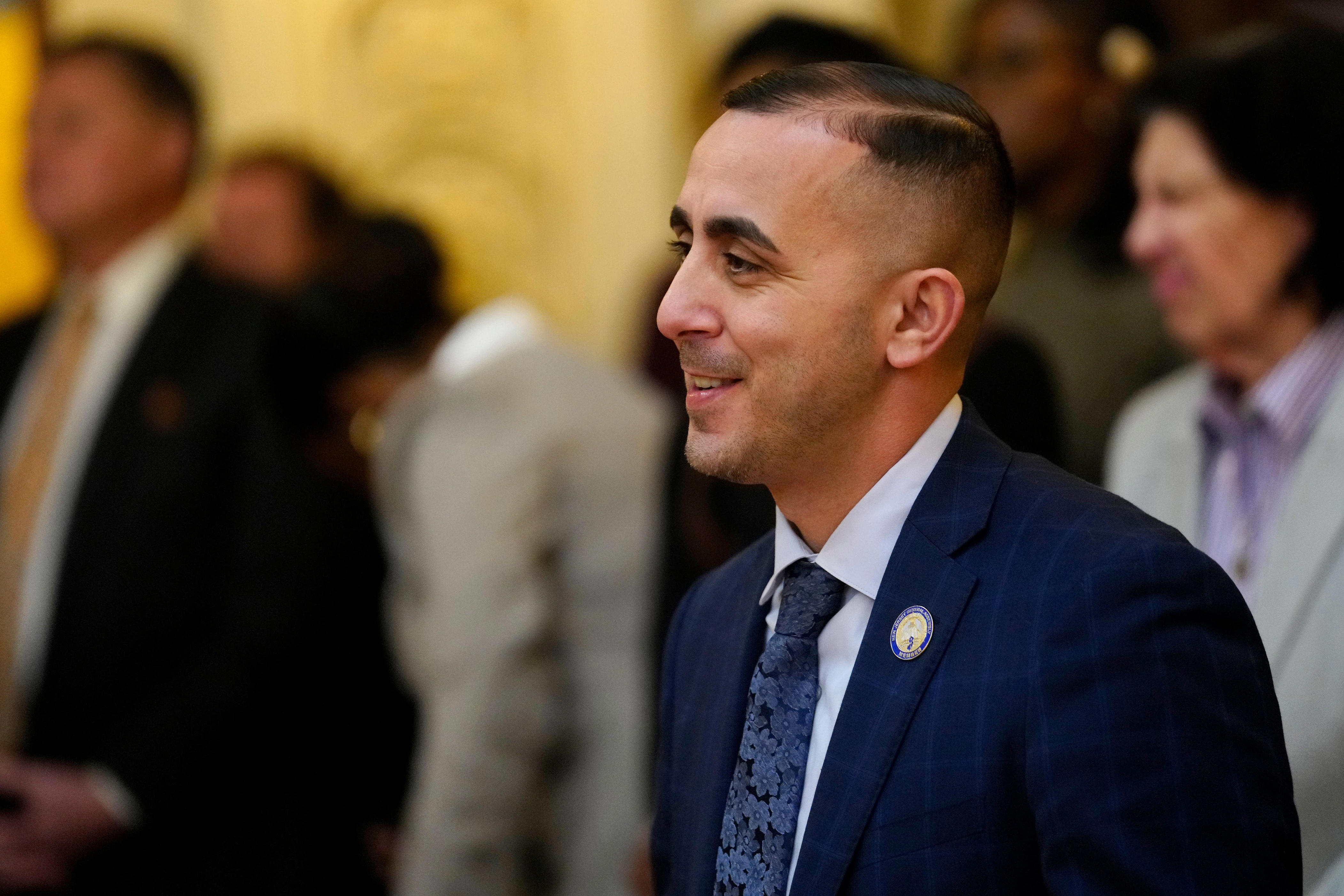
Assemblyman Al Abdelaziz, who represents the area, said his role is to advocate for Paterson and bring back as many resources as possible. “My job as an advocate is to work as hard as possible to bring back to Paterson as much resources as possible to alleviate any major disruptions,” he said.
Senator Benjie Wimberly expressed confidence that Paterson would receive at least a portion of the requested increase, though he acknowledged uncertainty about the full amount.
Alternative Solutions to Address the Budget Gap
Golabek outlined several strategies the city could use to close the budget gap without implementing furloughs or layoffs:
- Deferring Paychecks: Getting approval from municipal labor unions to defer the final employee paychecks for 2026 until the beginning of 2027, which would save $6 million in this year’s budget.
- Postponing Debt Payments: Pushing back payment on the $70 million in short-term debt the city is using to pay its bills so that the estimated $2 million in interest becomes part of next year’s fiscal obligation.
- Borrowing for Leave Payouts: Borrowing money for this year’s retiring employee leave time payouts instead of using funds from the operating budget, which would save $2 million.
- Using Grants and Surplus Funds: Seeking grants to cover operating expenses and employee salaries, requesting permission to use an extra $1 million to $2 million from surplus funds, and shifting some budget expenses to Paterson’s Urban Enterprise Zone account.
Political Controversies and Criticisms
The Sayegh administration made its first public budget presentation on April 8 last year. This year, however, city officials delayed the budget release until June, drawing criticism from opponents who claim the mayor tried to hide the financial crisis until after the May 12 city election.
Mayoral challenger Michael Jackson accused the administration of mismanaging pandemic relief funds and economic development tax credits. “This speaks to everything I’ve been saying all along,” Jackson said, adding that he doubts the Sherrill administration will approve the requested increase.
Another candidate, former Councilman Mohammed Akhtaruzzaman, blamed the city’s fiscal problems on excessive tax abatements for new developments under Sayegh’s leadership. “We’re all suffering because of the tax abatements he gave to his friends,” he said.
State Aid and Future Outlook
Golabek noted that the state typically announces transitional aid allocations in July. He expects a similar timeline in 2026. Cities receiving transitional aid often face chronic budget deficits.
Golabek also highlighted that the Sherrill administration has proposed increasing total spending for transitional aid by $96 million over the past year. Paterson is the largest municipality in the program, and Golabek believes this trend bodes well for the city’s 2026 budget.
However, Jersey City has also submitted a transitional aid application for 2026, requesting $150 million. There is speculation that Jersey City may receive its aid through a loan rather than from the regular budget line item.