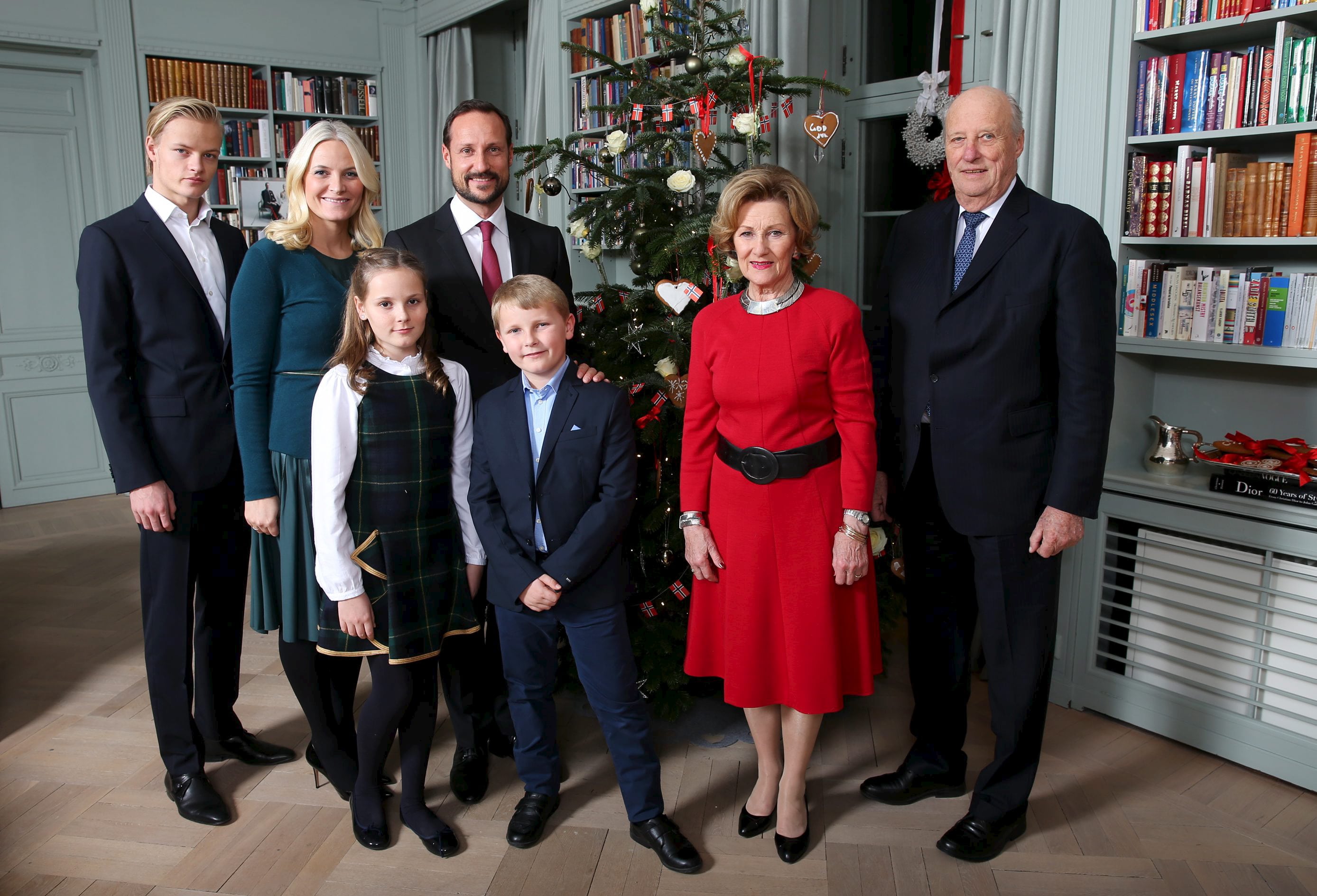
After eight years of living with chronic pulmonary fibrosis, the Royal House of Norway has announced that Princess Mette-Marit has been placed on a waiting list for a lung transplant. This development was shared in a statement released on June 5, marking a significant step in the Princess’s ongoing battle with the condition.
In 2018, the Princess first revealed her diagnosis with this rare lung disease. The condition causes deep, thick scarring within the lungs, which restricts their ability to expand and leads to severe breathing difficulties, as explained by the Cleveland Clinic.
When Mette-Marit first disclosed her health challenges, she also prepared the public for the possibility of her stepping down from official duties. In her 2018 statement, she said, “For a number of years, I have occasionally had health challenges,” and added, “now we know more about what these are based on. The condition means that my work capacity will vary.”
She continued, “The Crown Prince and I have chosen to inform about this now, partly because in the future there will be a need to plan periods without an official program.” Crown Prince Haakon, 52, is the son of Norway’s King Harald V and Queen Sonja. He married Mette-Marit, who was not part of the royal family at the time, in August 2001.
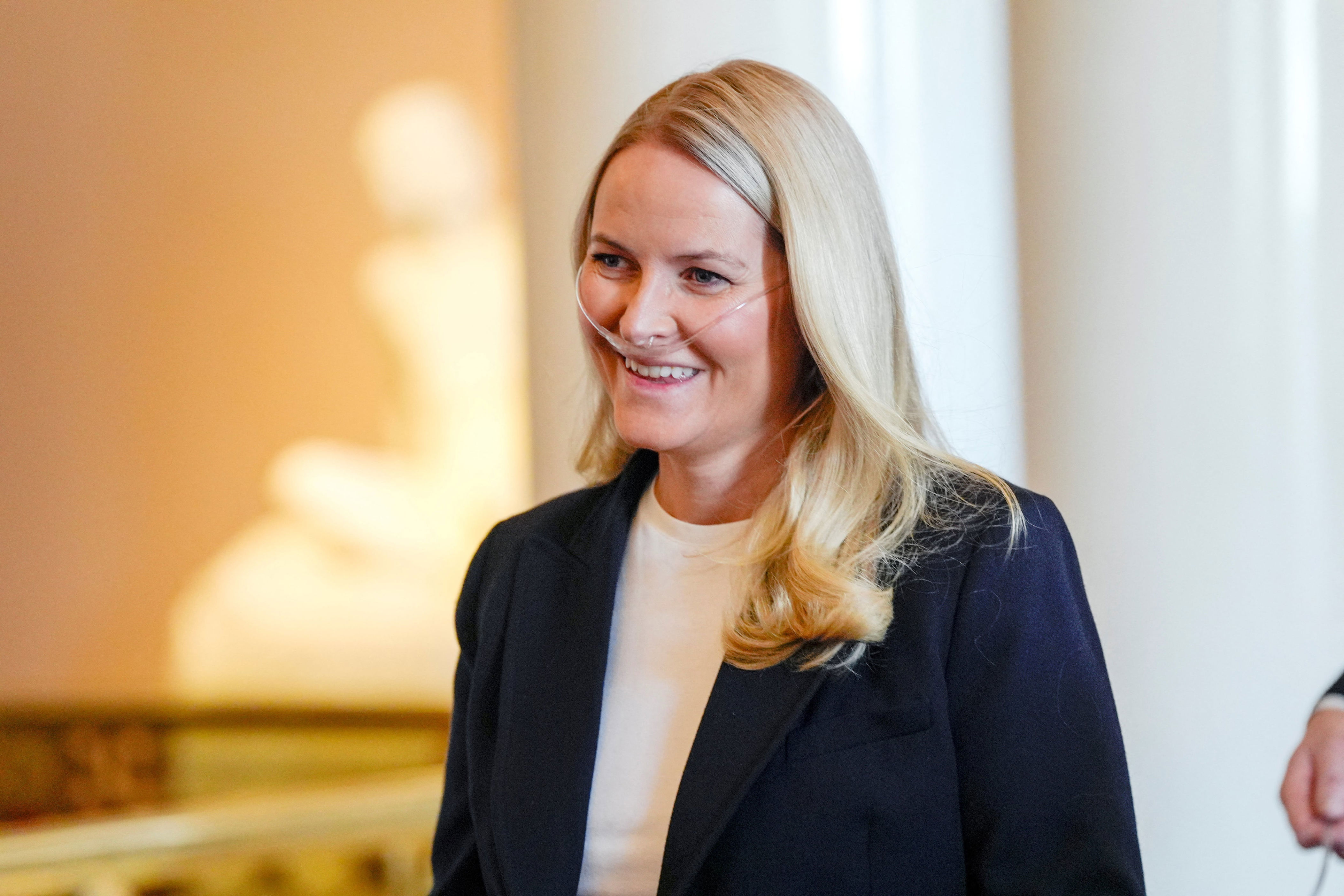
In her 2018 address, the Princess expressed hope that the early detection of her condition would allow her to continue working and participating in official programs as much as possible. “Although such a diagnosis will at times place limitations on my life, I am happy that the disease was detected so early,” she wrote.
By June 2026, the Princess’s health had significantly worsened, leading to a reduction in her royal duties. The Royal House of Norway stated that, due to her placement on the lung transplant waitlist, “Pending the operation, it will not be possible for The Crown Princess to work or to carry out official engagements as normal.”
As a result of her condition, Princess Mette-Marit has postponed her 25th wedding anniversary celebrations, originally scheduled for August, to an unspecified date. Her husband, Haakon, will also adjust his future duties as the Crown Prince to accommodate his wife’s circumstances.
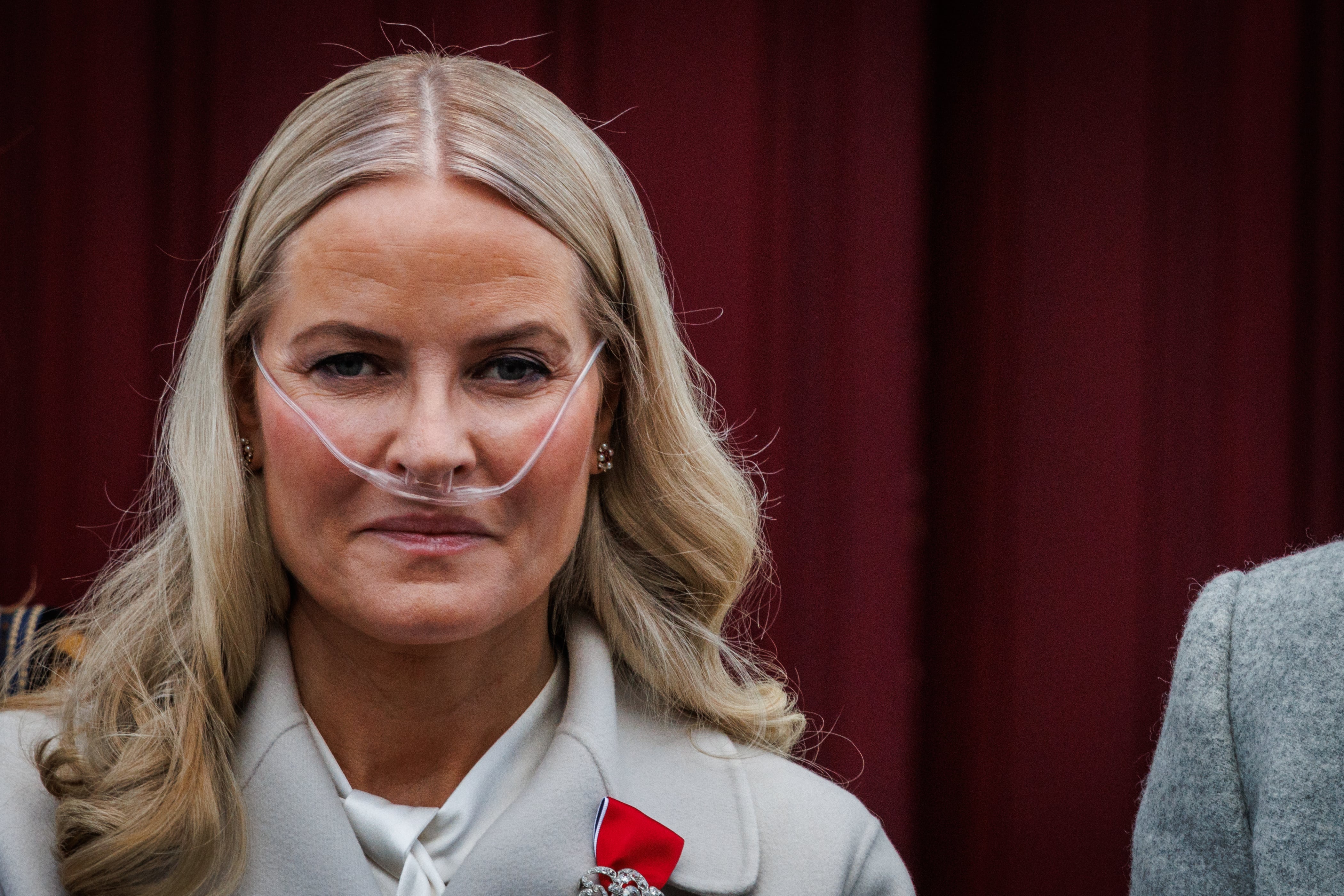
The Royal House also mentioned that they will provide future updates on Mette-Marit’s health following her transplant, which will take place at Oslo University Hospital, Rikshospitalet, in the capital city. After the surgery, she will require an extended period of recovery.
A statement from the Royal House noted that under Norwegian law, information about the timing of a transplant may be restricted to protect the privacy of both the donor and recipient. “It is prohibited to seek or disclose information that could make it possible to identify a connection between an organ donor and a recipient,” the statement read.
As her condition has deteriorated, the Princess’s family has reportedly reorganized their lives to support her.

While she waits for a donor, her daughter, Princess Ingrid Alexandra, has returned home from her studies at the University of Sydney. The 22-year-old will now pursue her fall semester at the University of Oslo as an exchange student.
However, Haakon and Mette-Marit’s 20-year-old son, Prince Sverre Magnus, will not return home at this time. The Royal House of Norway explained that he “plans to begin studies in Europe this autumn and will return to Norway whenever the situation requires.”
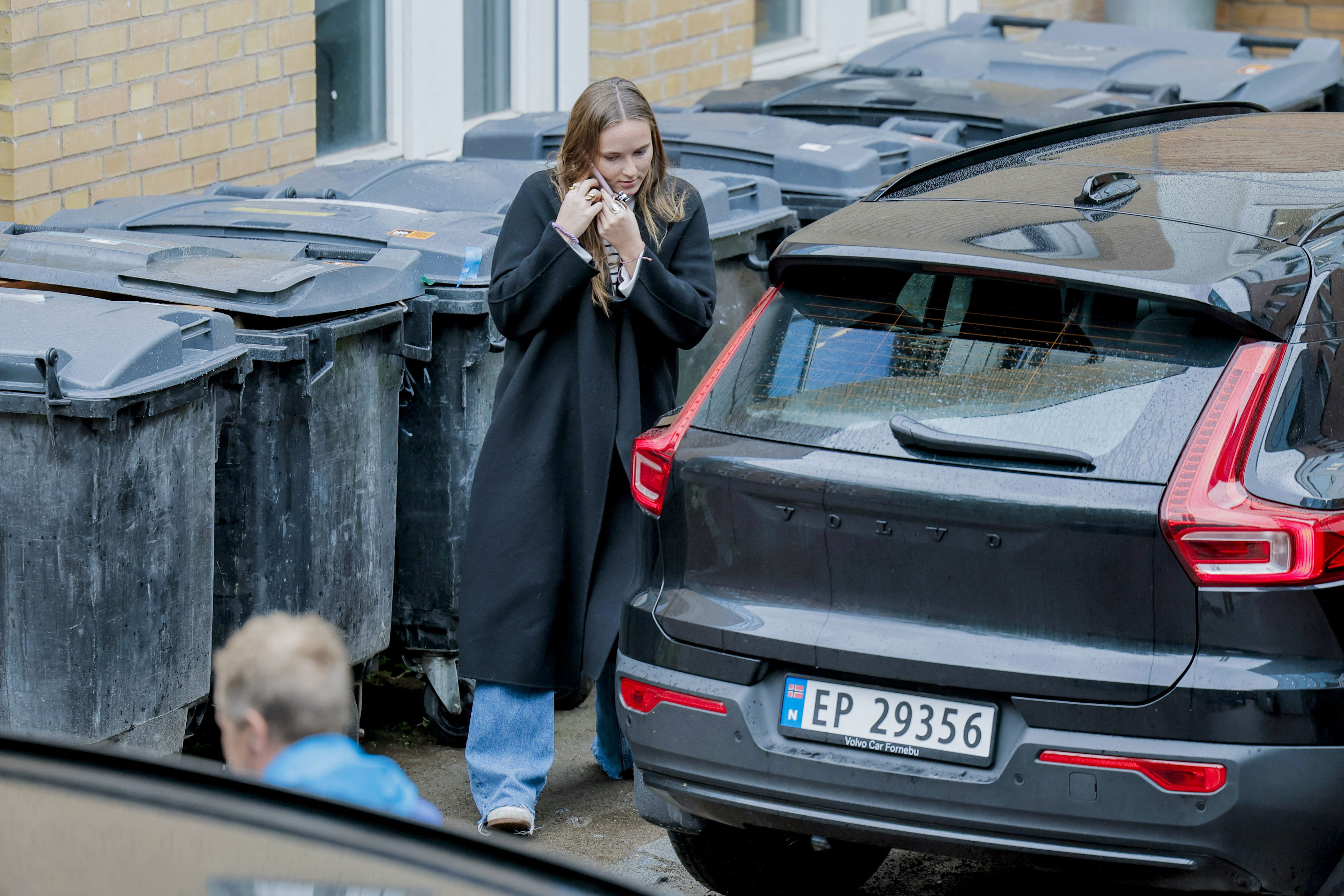
There have been no specific announcements regarding how the Crown Princess’s eldest son, Marius Borg Høiby, is adjusting to the updates about his mother’s health. The 29-year-old is the son of Mette-Marit from her previous relationship with financialist Morten Borg, 56.

Borg Høiby is currently awaiting his sentence for 40 charges, including four rape allegations, at an Oslo prison. When addressing a judge about his mother’s declining health, he said, “I have a family member with a disease that makes it challenging for them to come to prison. It’s due to the air quality, the mold, and the fact that the prison is an old building.”