Have you ever looked at a pancake tower in a breakfast ad, with golden syrup smoothly dripping over each soft layer, and wondered—why don’t mine turn out like that? It’s not your cooking.
It’s not about the brand at all. It’s something much more intentional, and to be honest, a bit disturbing once you understand the reality.
The food advertising sector is a multi-billion dollar business that relies heavily on visual appeal. The meals featured in commercials undergo extensive – sometimes multiple day – preparation by expert food stylists who prioritize appearance over flavor.
Some of the elements they use to make those delicious-looking images? You would never, under any circumstances, want to eat it.
Let’s dive in.
1. Shaving Lotion as a Substitute for Whipped Cream
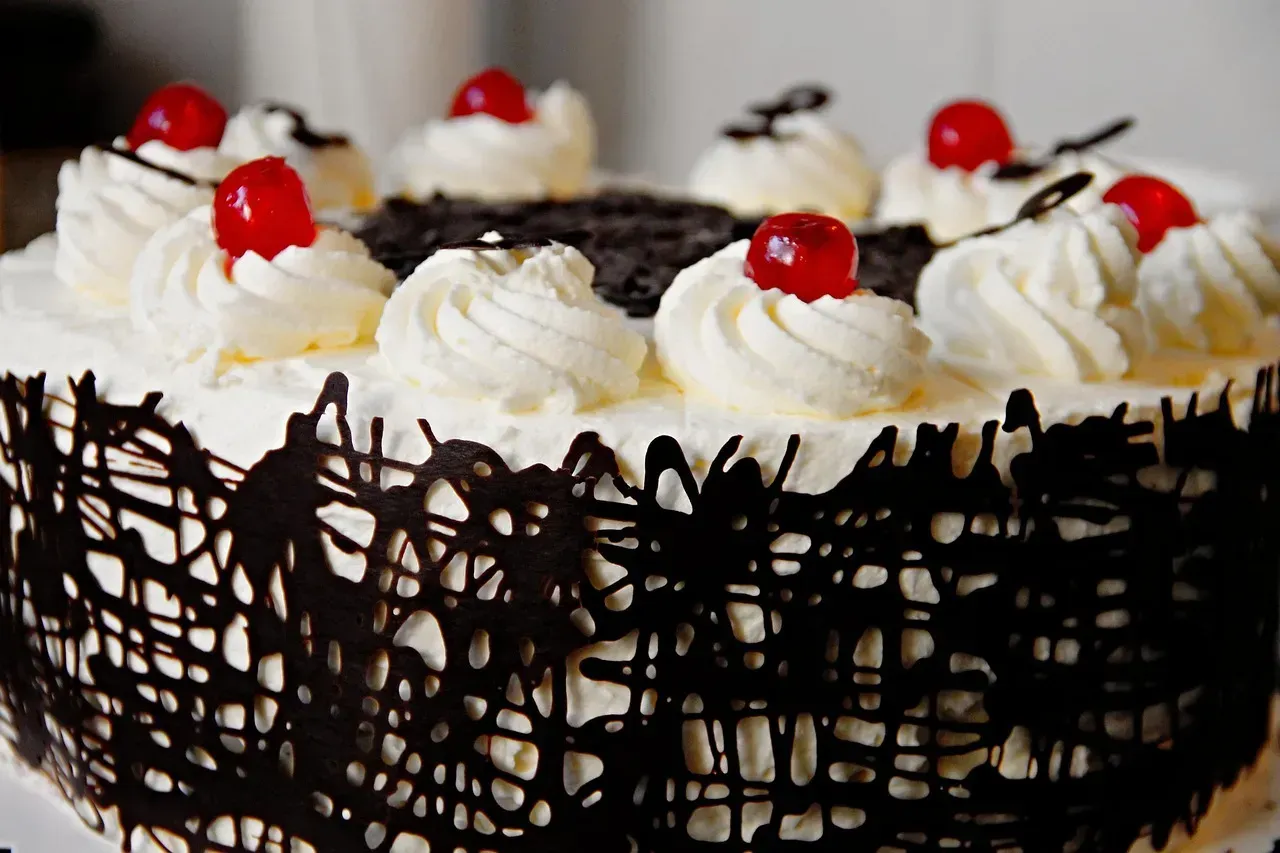
That generous, beautifully swirling spot of whipped cream on your favorite dessert in an advertisement? It’s likely from a can of Barbasol, not a container of heavy cream. Whipped cream can look good enough by itself, but real whipped cream tends to turn into liquid quickly. Shaving cream, however, remains stable for much longer, allowing the photographer more time to take the ideal shot.
Whipped cream is truly challenging to handle — it often loses its consistent texture and starts melting quickly under warm lighting. Shaving cream appears almost the same visually but doesn’t face these issues. It maintains its shaped form repeatedly, shot after shot, take after take. The shaving cream is also placed into a pastry bag with an ornamental tip, similar to how real whipped cream would be, and then scooped onto cheesecake, pie, coffee, or fresh fruit. More than likely, that perfectly presented dish ends up in the garbage — after all, no one wants to consume a mound of shaving cream.
2. Motor Oil Spilled on Pancakes
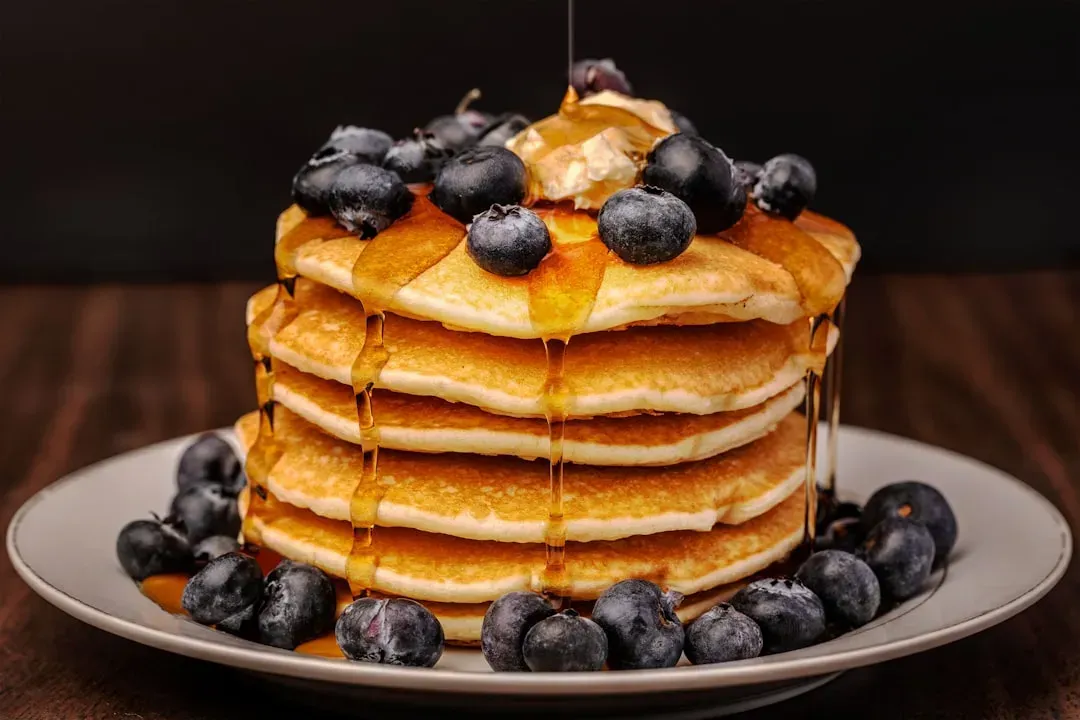
Here’s one that truly caught my attention the first time I heard it. Motor oil is used instead of maple syrup on pancake stacks because it doesn’t penetrate the pastries as fast. Genuine maple syrup looks appealing for about thirty seconds before it turns the entire stack into a wet, crumbling pile under bright studio lights.
In ads, pancakes are often coated with motor oil rather than syrup or honey. Pancakes don’t soak up motor oil, which keeps them soft and light during extended filming sessions. It’s important to mention that some experienced commercial photographers disagree with this method, claiming it is both risky and unnecessary. In addition to being highly flammable, motor oil lacks the texture and visual appeal of syrup, and using real syrup on pancakes can easily produce the intended look. The controversy exists – but so does the long-standing use of this specific technique in food advertising.
3. White Adhesive Substituted for Milk in Cereal Bowls
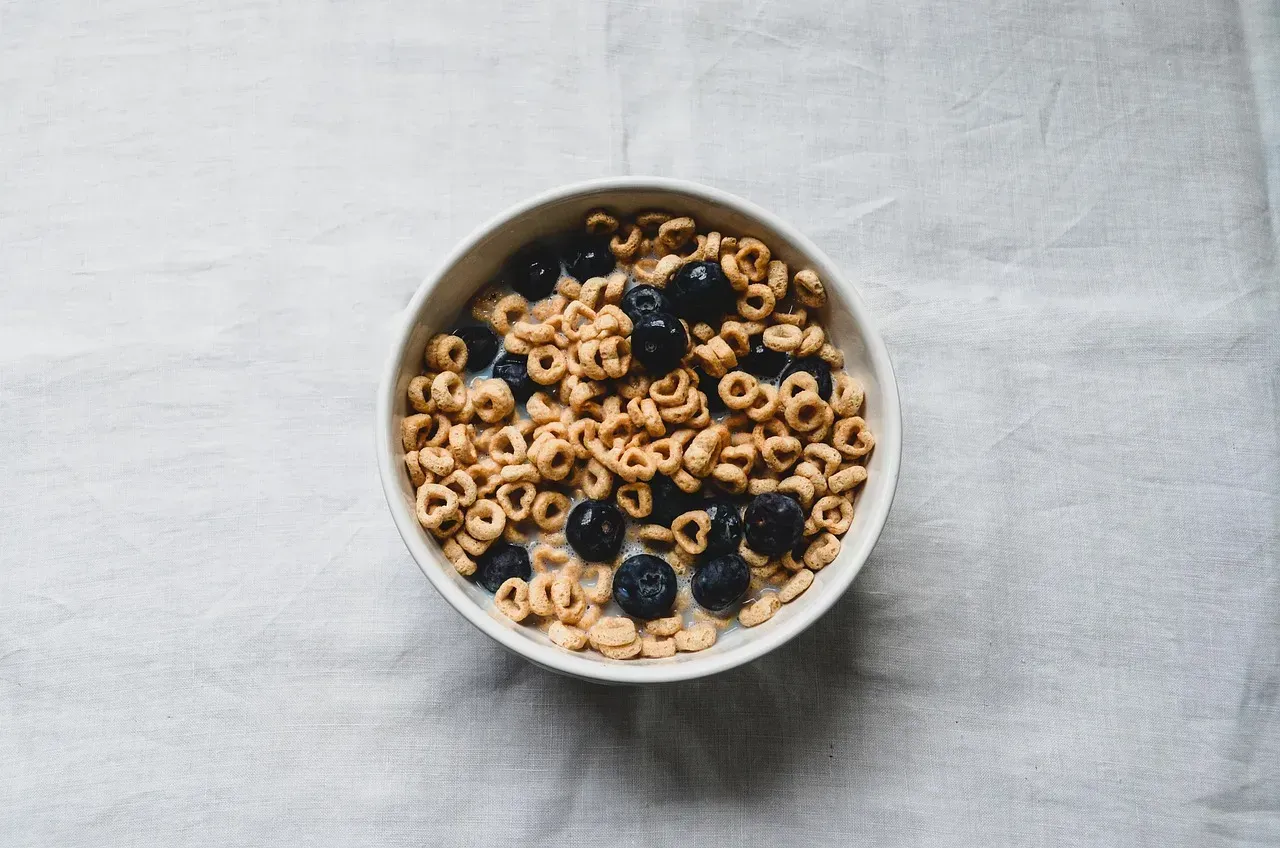
Consider all the cereal commercials you’ve ever seen. The milk appears incredibly clean, completely white, and the cereal seems to hover on top as if defying gravity. In reality, actual milk causes cereal to get wet very quickly, which is why food stylists opt for white glue rather than milk in these advertisements. White glue helps keep the cereal looking fresh and prevents it from getting soggy during extended filming sessions.
A thick layer of white glue is poured into the bowl, followed by a light scattering of cereal that is gently placed on top, making sure the cereal maintains its original shape and doesn’t sink or clump together. White glue is a common technique used in food advertising to make cereal appear fresh and attractive. There is some discussion within the industry regarding how frequently this method is still utilized today. When a photoshoot focuses on a cereal brand, the liquid often consists of a blend of cream and milk, which results in a slower flow, enabling photographers to capture the intended splash and motion. Contrary to what some may believe, certain professional commercial photographers claim that using PVA glue on cereal is not part of their workflow. Nevertheless, it’s difficult to ignore the fact that the glue technique has been extensively documented as a part of food styling for many years.
4. Shoe Polish for Achieving Grill Marks and Color on Meat
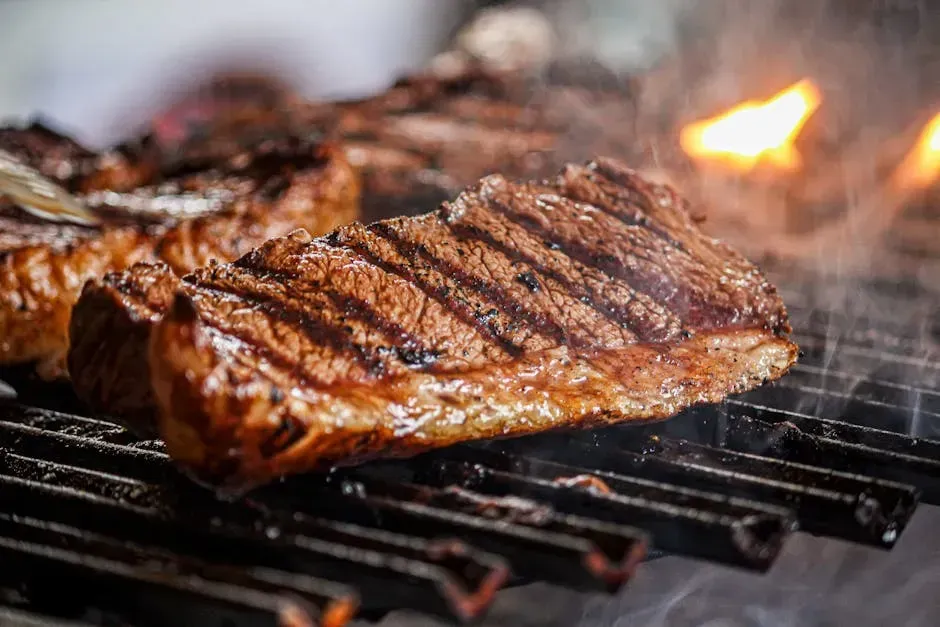
Steak and burger advertisements consistently showcase meat that appears perfectly grilled, shiny with moisture, and marked with evenly spaced grill patterns that seem more like artwork than a cooking technique. To achieve an ideal grilled look for steaks, shoe polish is frequently applied to simulate grill marks and improve the color. Consider this the next time a burger ad makes your appetite stir.
Meat items are frequently not fully cooked during photo sessions, as the cooking process can lead to shrinkage and dryness. For items such as steaks and burgers, they are typically seared using a blowtorch, grill patterns are created with a branding iron, and shoe polish is used to enhance the meat’s appearance. The process becomes even more intricate. Food stylists use a blowtorch on a burger patty and add a touch of shoe polish or sometimes Marmite to achieve a richer color, along with a thin layer of sunflower oil applied using a small paintbrush to create an attractive shine. The end result is a burger that appears amazing in photos but would be quite unpalatable to eat.
5. Mashed Potatoes Pretending to Be Ice Cream
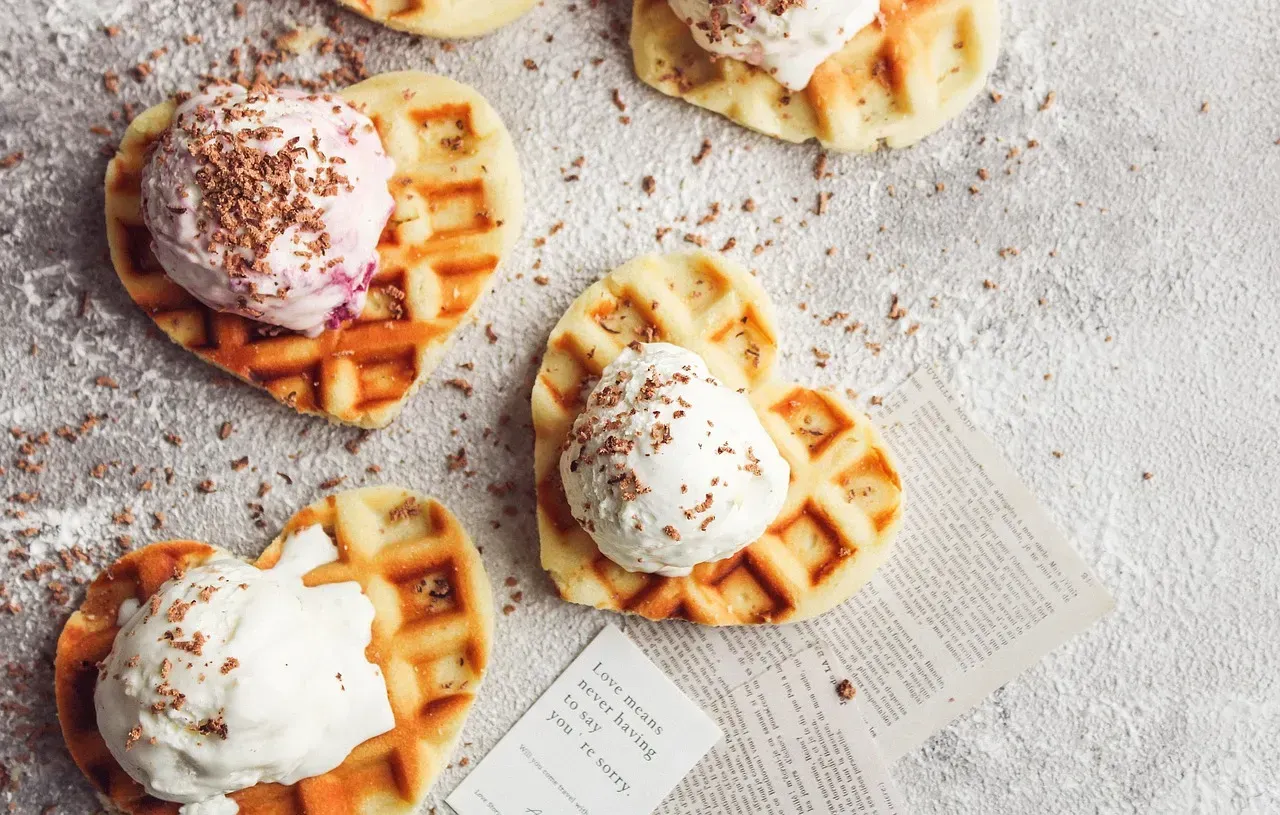
This technique is widely considered the most well-known in the field of food styling, and it continues to astonish people when they first learn about it. A major difficulty in food advertising is presenting food in a way that appears fresh and appealing under the bright lights of a studio. Real ice cream quickly melts, so food stylists frequently substitute it with mashed potatoes. Mashed potatoes maintain their form and can be colored to resemble any ice cream flavor, allowing each scoop to appear perfectly photographed during an extended shoot.
Mashed potatoes blended with conditioner and food coloring serve as a substitute for ice cream, creating a realistic appearance. When prepared properly, the texture closely resembles soft-serve or hand-scooped ice cream under camera lights. Advertisers have discovered many methods over the years to use mashed potatoes to enhance the visual appeal of different food items on camera. They can be injected into meat products such as roasts and whole chickens to add volume. Mashed potatoes are also incorporated into pies to provide the filling with a firm structure that doesn’t spill when a slice is taken. However, their most common application remains as a replacement for ice cream. Honestly, it’s time mashed potatoes received their own Screen Actors Guild membership.
6. Deodorant Spray Used to Polish Fruits
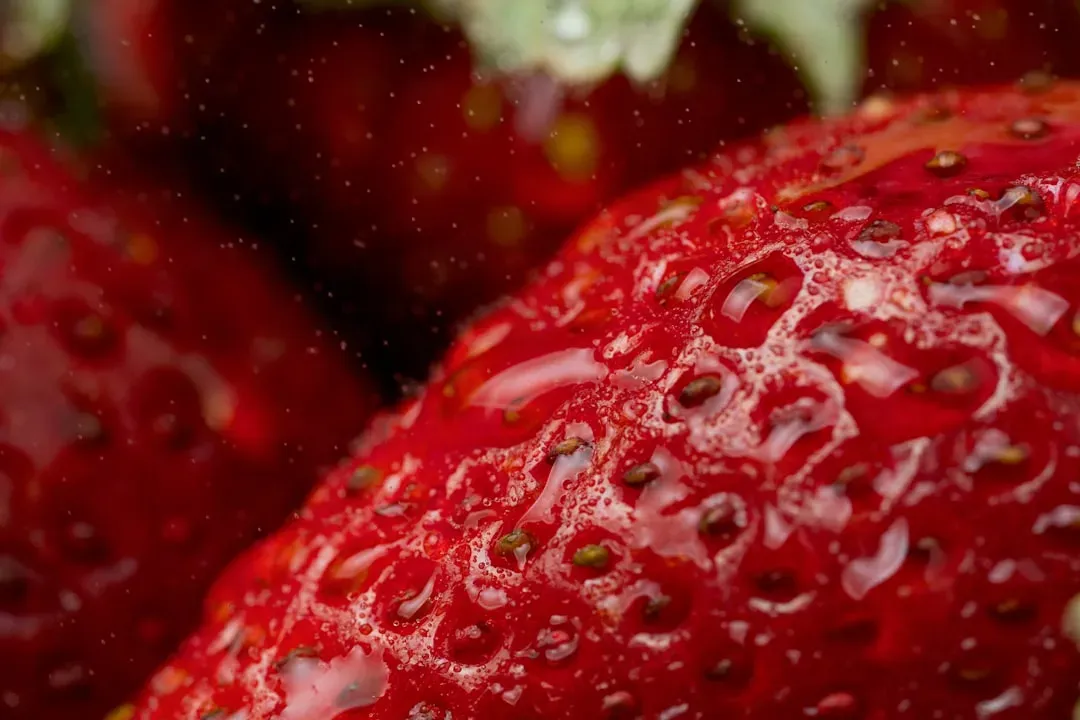
Fruit in advertisements always appears as if it was freshly picked from an unrealistically perfect orchard, shining and almost glowing under the lighting. The secret behind this appearance isn’t actual freshness. Spray deodorant should never be near food unless it’s part of a commercial shoot. Photographers frequently apply a layer of spray deodorant to apples, grapes, pears, or other similar fruits to achieve that super-shiny look that we connect with being fresh.
In food advertising, fruits are frequently sprayed with deodorant to achieve a glossy, fresh appearance that attracts buyers. Likewise, vegetables are also treated with sprays such as deodorant or a water-glycerin mixture to improve their visual appeal and make them appear more lively and tempting in pictures. In addition to deodorant, professionals take extra steps. Food stylists may use red lipstick to restore the deep red color of strawberries, conceal light spots near the seeds, and add a gentle sheen. The fruit appears more fresh and sweet in close-up shots, particularly under bright lights that can dull natural hues. Stylists apply a small amount using a fine brush or cotton swab, blending it toward the edges, then mist a light glycerin-water solution to form tiny droplets. The end result is a strawberry that looks incredibly vibrant and is entirely inedible.