The quest for the ultimate soft scrambled eggs can be a lifelong culinary adventure. With numerous factors influencing their texture and flavor—like cooking temperature, timing, and the type of pan used—there are countless methods to elevate your breakfast experience. However, at the core of this endeavor are just three essential ingredients: eggs, salt, and the cooking fat of your choice. It’s crucial to make each ingredient count for the best results.
The Key to Creamy Scrambled Eggs
One of the most significant elements in achieving creamy scrambled eggs is the timing of when to add salt. This seemingly simple step can dramatically transform your breakfast from ordinary to extraordinary. The best practice is to salt your eggs before cooking them. This pre-salting technique is vital because salt influences how proteins in the eggs coagulate, which can lead to the fluffiest scrambled eggs possible.
If you have about 15 minutes before breakfast, whisk the salt into your eggs and let them sit. This small effort in the kitchen can yield impressive dividends at the dining table.
The Science Behind Scrambled Eggs
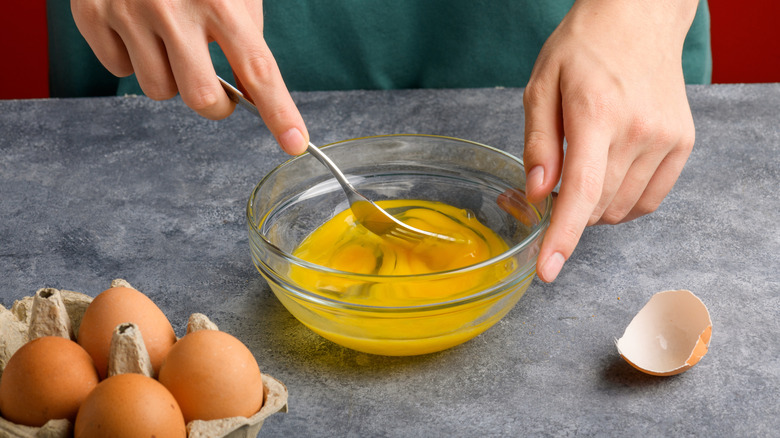
Eggs are composed of approximately 75% water and 13% protein. The proteins in eggs are essential for their binding capabilities, which is why they play a critical role in many baked goods, such as cakes and cookies. When you beat and then heat the eggs, you are essentially deconstructing and reconstructing the proteins. Whisking eggs breaks the yolks and whites, which loosens tightly bound protein chains.
Food writer Kenji López-Alt compares the process to tangled charging cables you might find in your luggage. When you whisk the eggs, it’s akin to taking those cords out of a bag and allowing them to untangle freely.
The Role of Salt in Cooking Eggs
As heat is applied, the proteins in the eggs coagulate again, offering both benefits and drawbacks. While the reward is a delicious plate of scrambled eggs, the risk lies in the potential for the proteins to bind too tightly, resulting in a chewy texture and watery consistency due to expelled moisture. This is where salt comes into play; it disrupts the coagulation process, ensuring that your scrambled eggs remain creamy rather than becoming dry or overly liquid.
Optimal Timing for Salting Your Scrambled Eggs
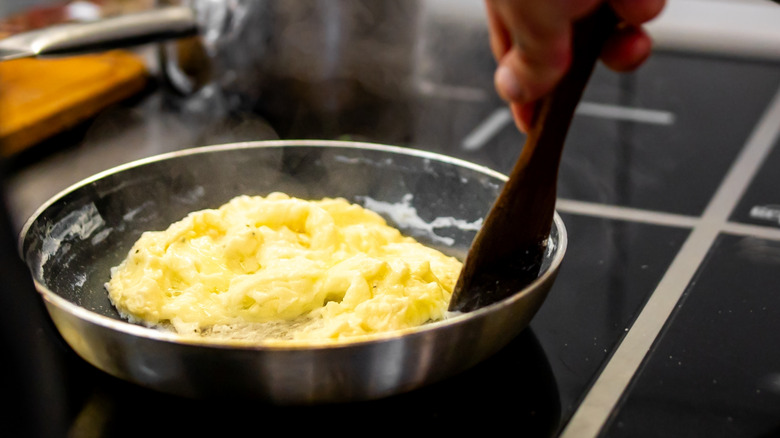
For the creamiest scrambled eggs, it’s advisable to whisk and salt them a little while before cooking. While it is possible to over-salt and store eggs for an extended period—López-Alt discovered that salting eggs and refrigerating them for two days resulted in undesirable outcomes—waiting just 15 minutes is ideal. Even a mere five minutes can make a noticeable difference.
Salting your eggs shortly before cooking not only enhances their flavor but also improves texture. This waiting period allows the salt to dissolve completely into the eggs, leading to a final dish that is evenly seasoned throughout. If you want to take your scrambled eggs to the next level, consider incorporating sparkling water into the mix for an extra fluffy texture.
Conclusion
The journey to mastering soft scrambled eggs is filled with experimentation and attention to detail. By understanding the science behind egg proteins and the optimal timing for salting, you can elevate your breakfast game significantly. With just a few simple adjustments, you can achieve the creamy, delicious scrambled eggs you’ve always desired. Whether you’re a novice cook or a seasoned chef, these tips can help you create the perfect plate of scrambled eggs that will impress anyone at the table.
For more culinary insights and food-related content, consider subscribing to newsletters that offer taste tests, cooking tips, and recipes to enhance your gastronomic adventures.