Your gut is handling a significant amount of work behind the scenes. The human gut microbiota is a complex system located in the digestive tract that has a crucial impact on overall health and illness. It influences everything, from how effectively you digest your meal to how your immune system reacts to external factors. The positive aspect? You can make a real difference, beginning with the foods you choose to eat.
Prebiotics are food elements that the body cannot digest, but which specifically encourage the proliferation and function of helpful bacteria in the digestive system, providing various health advantages. Imagine them as a shopping trip for your gut’s microorganisms. Prebiotics support the existing microbes in your microbiome by supplying them with preferred nutrients, and they are present in numerous fruits and vegetables that contain complex carbohydrates, like fiber. The most appealing aspect is that these foods are truly common household items, not supplements or powders you have to search for at a specialty shop.
Garlic
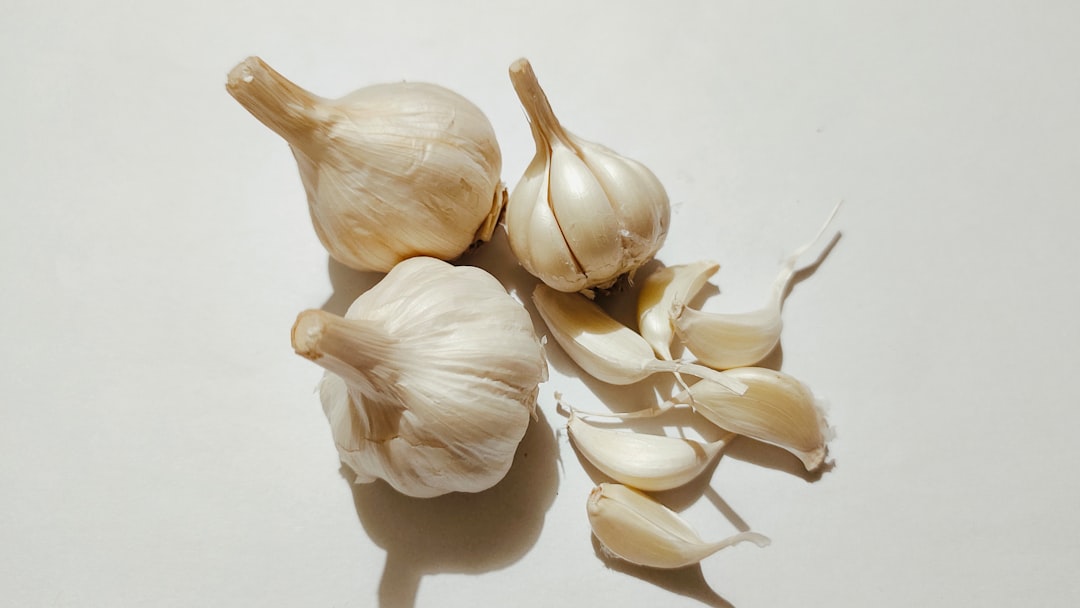
Garlic functions as a prebiotic, encouraging the development of helpful Bifidobacteria in the digestive system, while also inhibiting the proliferation of harmful bacteria. This is a strong dual benefit from an ingredient commonly found in many kitchens.
Similar to onions, garlic provides prebiotics such as inulin and FOS that support the growth of beneficial gut bacteria. Additionally, there is some research indicating that another prebiotic found in garlic, known as fructan, could promote the development of helpful Bifidobacteria. Garlic is also highly adaptable in culinary uses.
Fresh garlic has a more potent prebiotic effect compared to cooked garlic, making it simple to incorporate into dressings, dips, or a basic vinaigrette for a beneficial daily addition. Garlic is rich in allicin, which is responsible for its unique aroma and flavor. Researchers are investigating this compound to determine if it could potentially protect against heart disease, cancer, and other health issues, with some studies suggesting that garlic may aid in maintaining healthy blood vessels and reducing blood pressure.
In essence, incorporating minced garlic into your meals is one of the simplest beneficial habits for your digestive system.
Onions
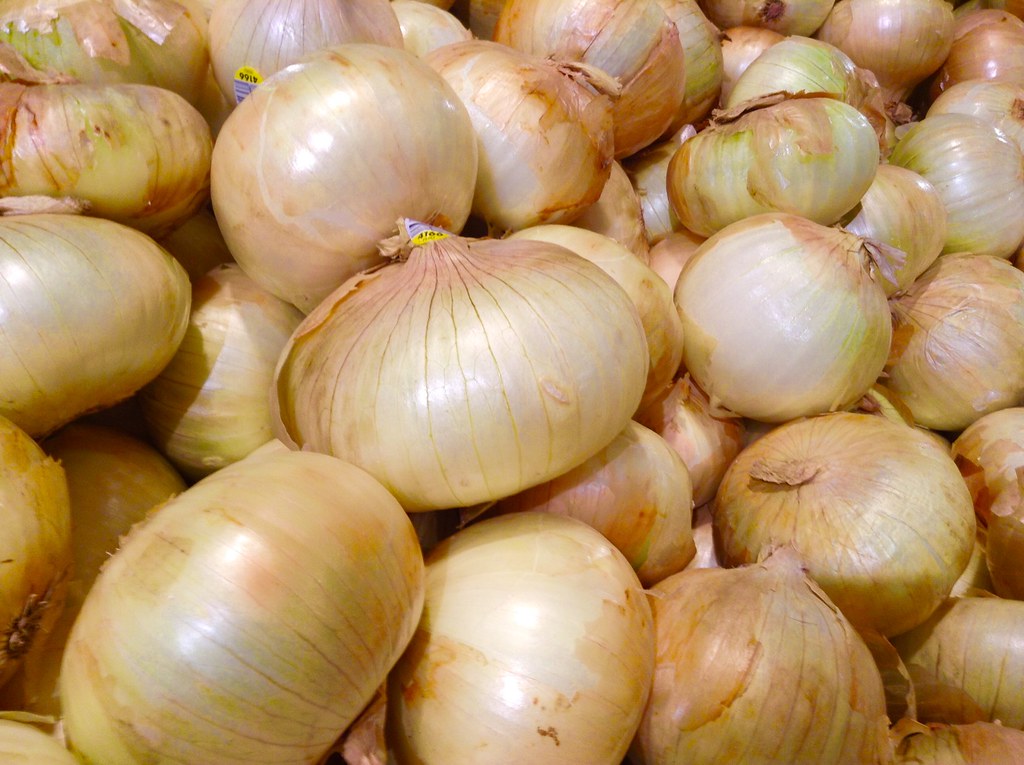
Onions contain inulin and fructooligosaccharides (FOS), two of the most widely found prebiotic compounds. Research on animals indicates that FOS could potentially aid in boosting the immune system, with some findings pointing to their anti-inflammatory and antioxidant effects that strengthen gut immunity. Additionally, they are among the most affordable vegetables available, making them a genuine everyday essential.
FOS is a kind of carbohydrate that supports the growth of beneficial gut bacteria and aids in the digestion of fats. One advantage of onions is that they can be easily incorporated into dishes without being noticeable.
Cooked into a soup foundation, browned over grain dishes, or shredded for a fast salsa, they efficiently carry out their prebiotic function without causing any issues. The American Society for Nutrition ranks onions among their top-five foods rich in prebiotics.
That acknowledgment by itself makes them deserving of more frequent attention.
Oats
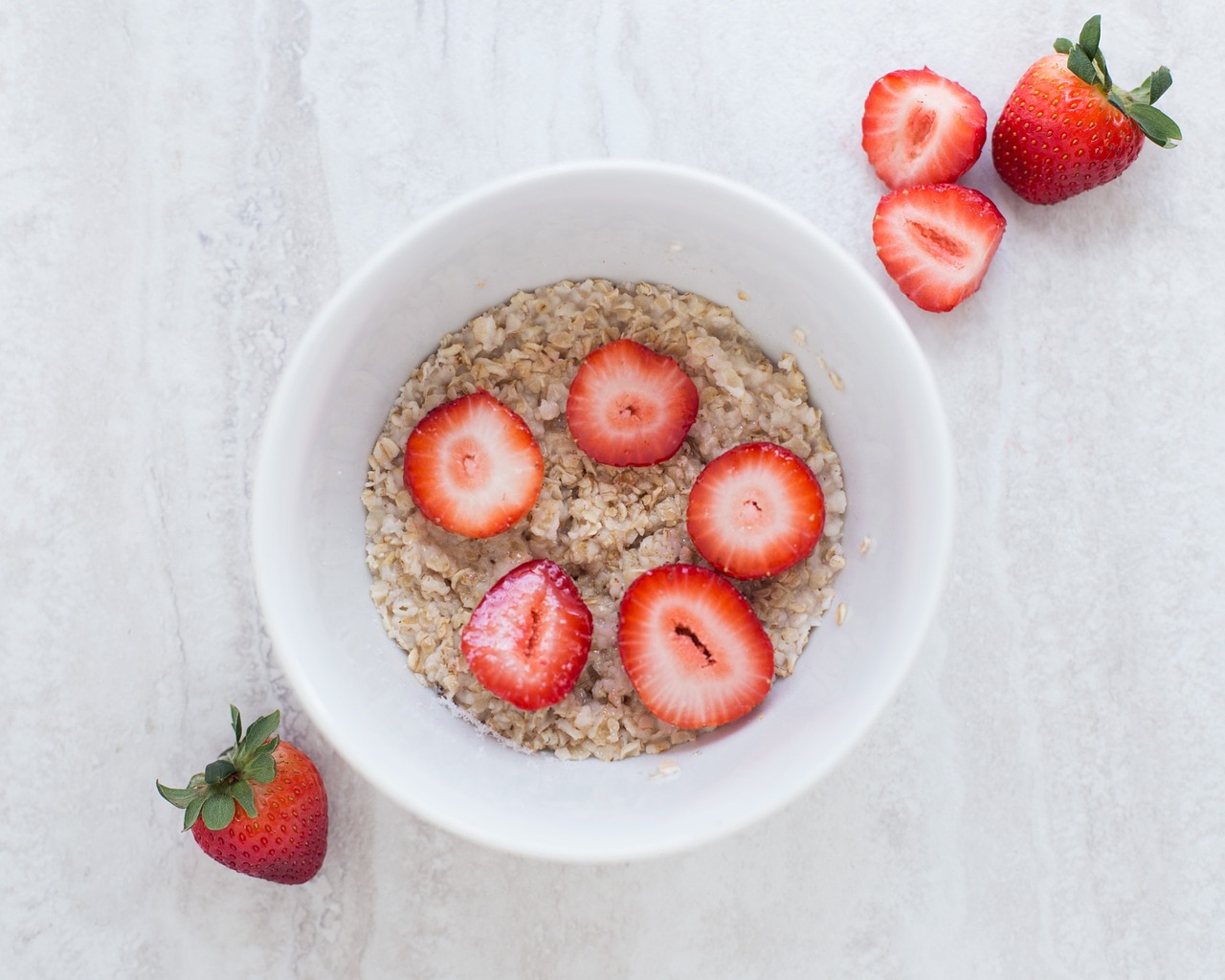
Oat beta-glucans are recognized for their positive impact on digestive health, offering anti-inflammatory and prebiotic benefits. These compounds can be broken down by the gut’s microorganisms, resulting in the production of short-chain fatty acids that influence the composition of the gut microbiome, functioning as a prebiotic. It is during this process that the most significant benefits occur, as these fatty acids help feed the cells that line the colon and enhance the overall gut environment. Research has demonstrated that oat beta-glucan supplements increased levels of Bifidobacterium and Akkermansia bacteria among study participants. The European Food Safety Authority has endorsed a health claim supporting the role of oat beta-glucans in lowering blood cholesterol when consumed at a daily dose of three grams. A warm bowl of oatmeal in the morning, perhaps with a sliced green banana, provides a wide range of nutrients before 9 a.m.
Asparagus
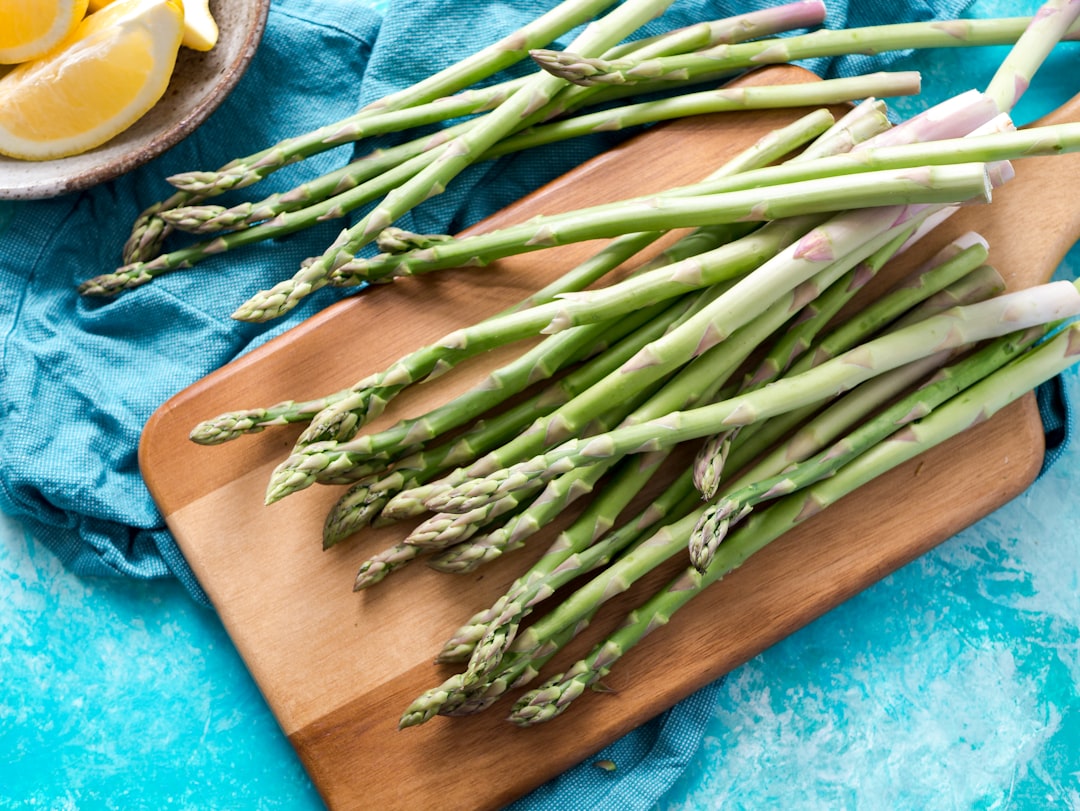
Asparagus includes inulin, a type of soluble fiber that supports beneficial Bifidobacteria and Lactobacillus in the gut, and it is also high in folate, a B vitamin crucial for cell division and the production of red blood cells. It’s one of those vegetables that subtly proves its value on the plate, extending beyond just its fiber content.
Asparagus is a widely loved vegetable and an excellent source of prebiotics, similar to other foods, this healthy vegetable naturally contains inulin. When you roast asparagus with a little olive oil and some garlic, you end up with two sources of prebiotics on one baking sheet, which feels like a small but rewarding achievement for a hectic weeknight meal.
It’s important to mention that uncooked asparagus preserves more of its prebiotic fiber compared to when it’s cooked extensively. A brief blanching or gentle roasting is sufficient.
Green (Unripe) Bananas
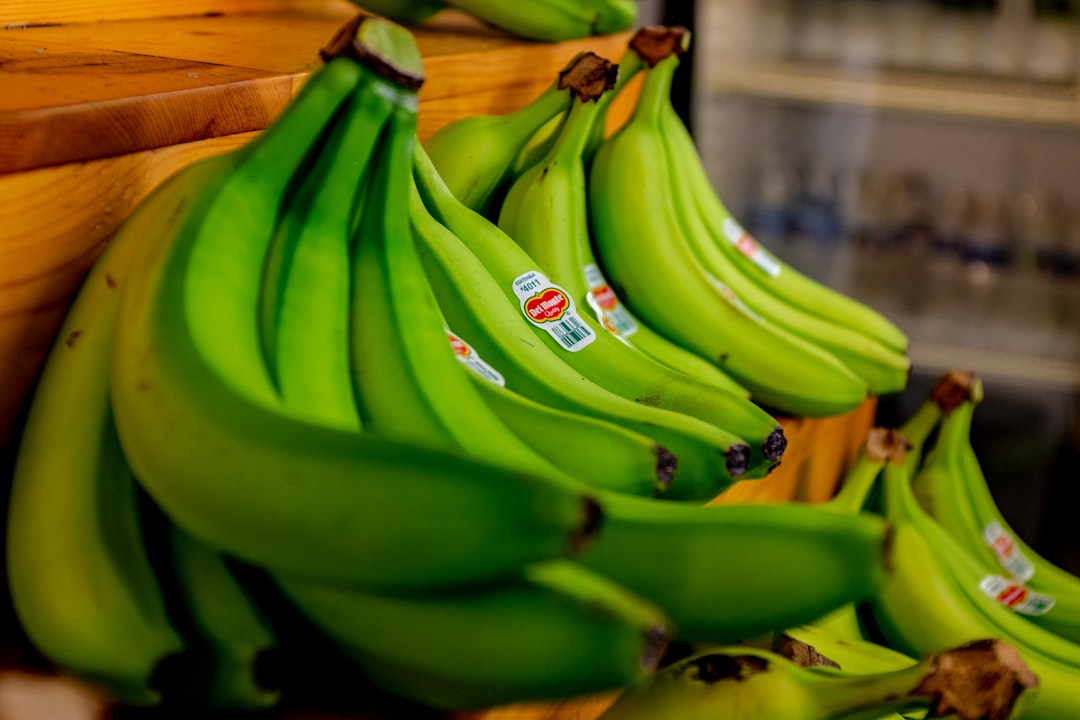
Green bananas contain a high level of resistant starch, especially when compared to other prebiotic options, with resistant starch accounting for up to 70% of the total carbohydrates in green bananas. This means that eating them can supply a substantial quantity of resistant starch in one portion. The important point is that the “green” stage is crucial.
Green banana flour contains a high amount of resistant starch, which has been utilized as a prebiotic to provide positive impacts on the gut microbiota. The resistant starch found in green bananas has been demonstrated to support the proliferation of beneficial bifidobacteria and lactobacilli in the digestive system, microorganisms that are essential for maintaining a balanced gut microbiome and can assist in preventing the growth of detrimental bacteria.
The gradual breakdown of resistant starch can help maintain steady blood sugar levels, offering a helpful option for those dealing with insulin resistance or type 2 diabetes. Add a slice to your morning oatmeal or mix it into a smoothie for a simple, hassle-free energy boost.
Chickpeas and Lentils
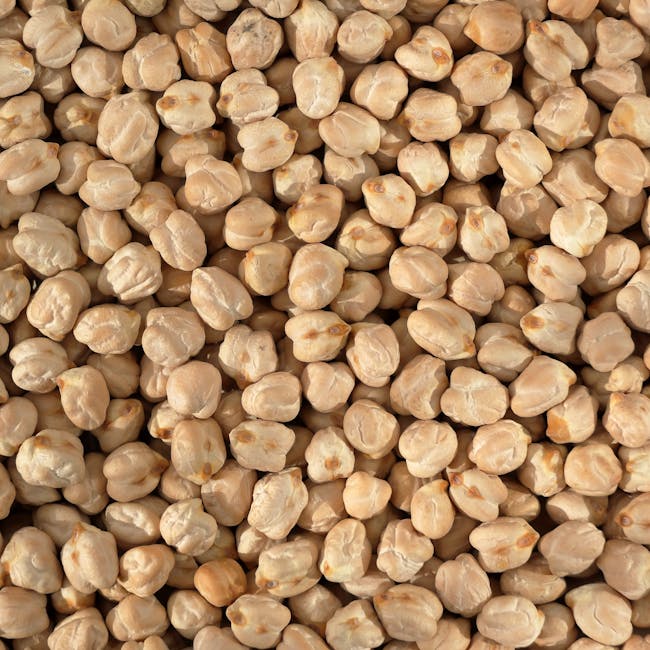
Chickpeas provide resistant starch along with prebiotic fiber, which both nourish gut bacteria and promote a balanced microbiome. Resistant starch is especially beneficial as it generates butyrate, a short-chain fatty acid that helps maintain the health of the intestinal lining and decreases inflammation. Lentil fiber also acts as a prebiotic, meaning it supports the growth of beneficial bacteria in the digestive system.
These two legumes form an effective combination for supporting your gut health. Canned chickpeas are practical and perform just as well as dried ones for most uses, such as adding to curries, salads, soups, roasting as a snack, or blending into hummus, making a can in your pantry an easy way to incorporate a significant amount of prebiotic fiber into any meal.
Red lentils dissolve in soups and dals, whereas green and brown lentils maintain their form for use in salads and other recipes. Keeping a bag of each readily available ensures a digestive-friendly meal is always conveniently accessible.
Apples
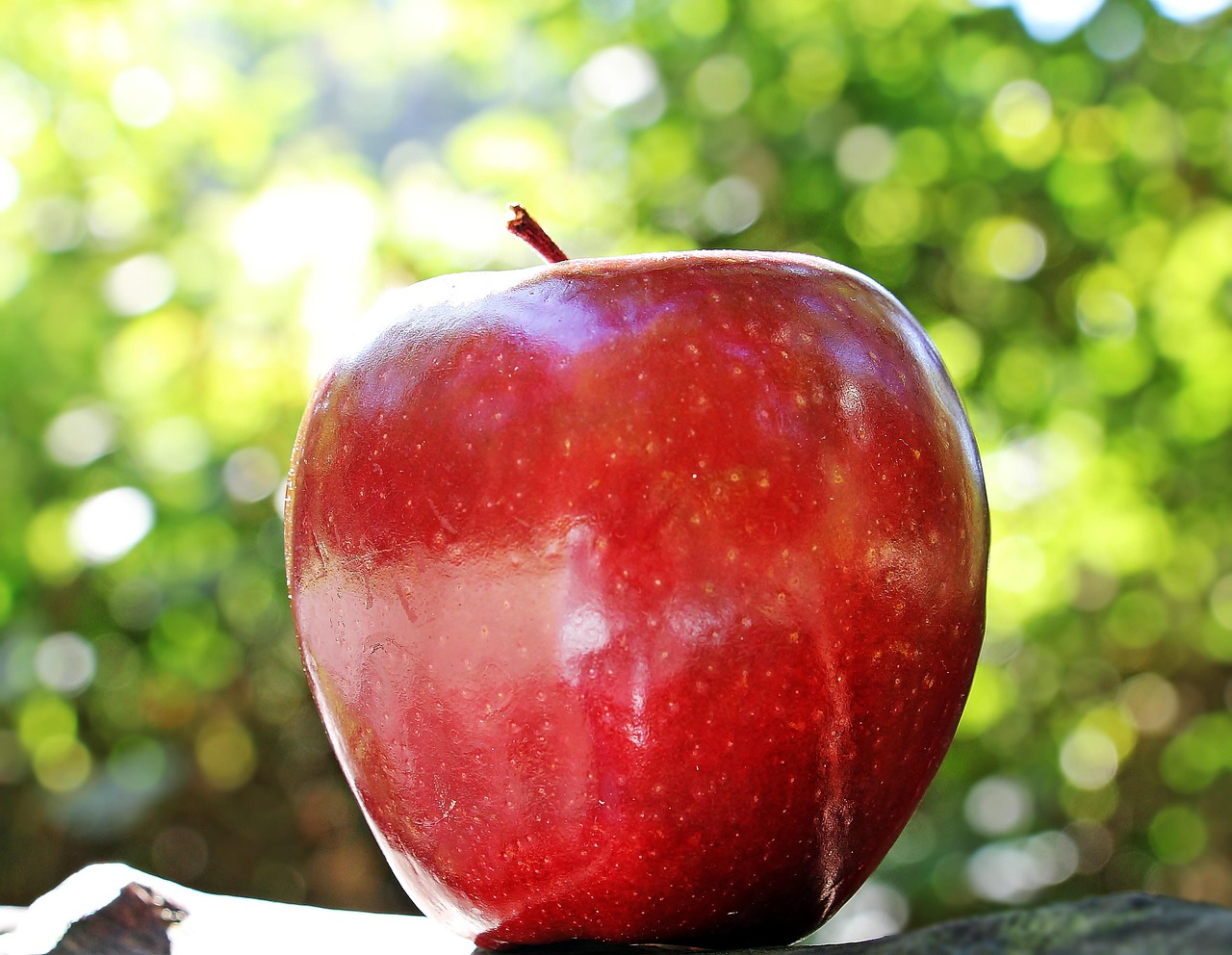
Apples have pectin, a kind of soluble fiber that boosts butyrate, a short-chain fatty acid that nourishes good gut bacteria and reduces harmful ones. However, further studies are required to fully understand the advantages of pectin in humans. It is evident that the fiber found in apples arrives at the colon mostly undamaged, allowing your gut bacteria to utilize it effectively.
A recent study found that individuals who ate 30 grams per day of inulin-rich foods for two weeks were more inclined to choose medium or low-calorie options instead of high-calorie ones. Their MRI scans revealed reduced activity in the brain’s reward system when exposed to high-calorie foods, indicating that consuming prebiotic foods could support better eating decisions. Consuming apples with the skin on significantly impacts fiber intake, as the skin contains a large amount of this essential nutrient.
A sliced apple paired with almond butter makes for a truly enjoyable snack that provides two sources of prebiotics simultaneously. Studies also indicate that, besides their prebiotic qualities and their beneficial effects on good gut bacteria, apples offer additional health advantages like aiding in cholesterol reduction.
Extra Virgin Olive Oil
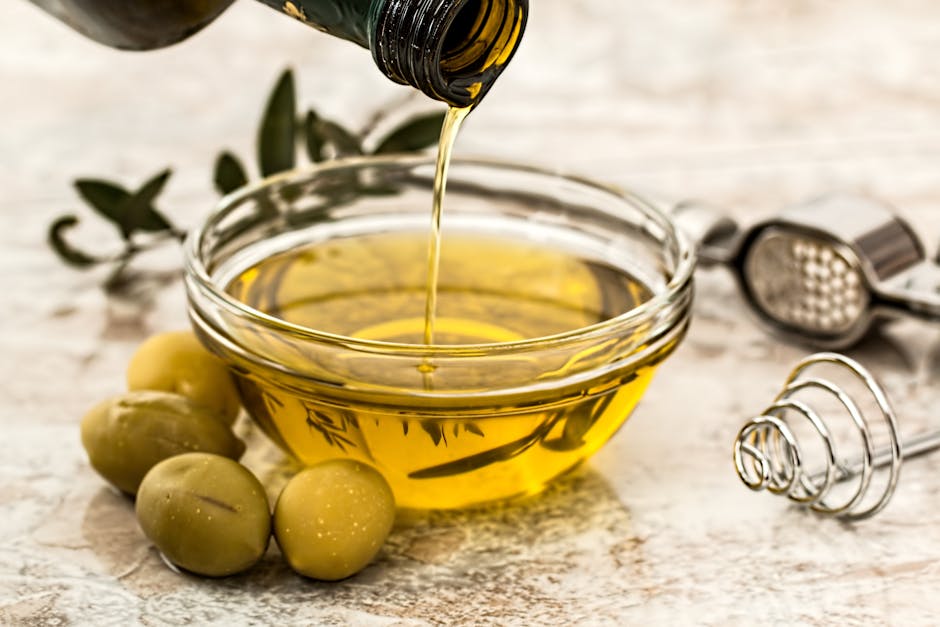
Extra virgin olive oil is rich in polyphenols, which are plant-based compounds that function as prebiotics in the digestive system. These help nourish good bacteria while preventing the proliferation of harmful ones. Regular intake is linked to increased microbial diversity, a key indicator of a healthy gut, along with anti-inflammatory effects that support the gut lining. This ingredient serves a dual purpose: it enhances the flavor of food and subtly promotes gut health simultaneously.
Replacing seed oils and processed fats with olive oil as the main cooking and dressing fat is a simple adjustment that consistently promotes gut health. The highest levels of polyphenols are found in cold-pressed extra virgin olive oil, not in refined varieties. Prebiotics influence the gut microbiota, leading to the release of short-chain fatty acids into the bloodstream.
Brushing quality olive oil onto roasted veggies, grain bowls, or lentil soup is more than tasty. It’s directly supporting your gut bacteria with each drizzle.
What is comforting about all eight of these essentials is their normalcy. No additional items required, no significant change in your cooking approach.
A wide range of whole plant-based foods and other high-fiber options can support a broad spectrum of prebiotic fibers, potentially increasing the levels of helpful metabolites. Incorporating one or more prebiotic foods into your existing diet can nourish beneficial gut bacteria and promote overall health. Minor, regular changes can lead to significant improvements quicker than expected.
Want to learn more? Then visit myblog!