When Mary Crowley was diagnosed with terminal cancer at the age of 67, her family made drastic changes to their lives in an effort to ensure she had the best possible quality of life during what they believed would be her final months. The decision to uproot their lives came with significant emotional and logistical challenges, but it was driven by a deep sense of love and responsibility.
Mary and her husband David left their cherished home in Tomintoul, Moray, in 2023. Their son also relocated his family from England to Scotland’s central belt, so that the entire family could be close to one another. These decisions were made with the belief that they would be supporting Mary through the end of her life. However, the situation took a devastating turn when it was later discovered that the diagnosis had been incorrect. This revelation led to immense emotional turmoil for David, who struggled with the mix of relief and grief, ultimately taking his own life at the age of 70 in early 2024.
Mary has since completed treatment for what was actually stage one breast cancer and is now free from the disease, as confirmed by her most recent medical appointment. Despite this positive outcome, the family continues to grapple with the trauma caused by the initial misdiagnosis and the subsequent impact on their lives.
The NHS Grampian has issued an apology for the “errors” and the “distress” caused by the misdiagnosis. However, the family remains deeply affected by the events, expressing a sense of lingering anger over how they were treated throughout the process.
The case gained attention after the Scottish Public Services Ombudsman (SPSO) upheld a complaint from the family regarding the standard of care provided. The couple had been together since their teenage years, marrying in 1978 and moving to Tomintoul in the 1980s. David worked as a GP, while Mary served as the practice manager.
In early 2023, Mary noticed a breast dimple and underwent a biopsy that revealed cancer. An MRI scan then indicated that she had stage four metastatic breast cancer. This news sent shockwaves through the family, leading them to make life-altering decisions based on the assumption that Mary’s condition was terminal.
Lizzie, Mary’s daughter, shared her perspective with Scotland News, explaining that the diagnosis was delivered with a sense of certainty that left little room for doubt. “We were not expecting a late stage cancer diagnosis,” she said. “There is always uncertainty in diagnosis, but this was conveyed as certainty. We automatically went into planning mode and made huge life-changing decisions.”
The family sold their beloved home and moved closer together, with Lizzie’s brother relocating from England to Scotland. All these changes were made with the hope of providing support for David, assuming that Mary would not survive.
Mary began treatment associated with advanced disease, including teeth extractions, but David remained skeptical about the diagnosis. As a former GP, he initially trusted the medical professionals’ assessment. However, he became increasingly concerned and pushed for independent second opinions, which were not being secured locally.
Eventually, the correct diagnosis of stage one cancer was confirmed. Lizzie reflected on the potential consequences if David had not had the medical knowledge and determination to challenge the original diagnosis. “One of the questions that still troubles me is what would have happened if my dad had not had the medical knowledge, confidence and determination to challenge the diagnosis,” she said.
David was deeply stressed by the situation, and Lizzie believes he never fully accepted the idea that the original diagnosis was wrong. “It broke him, having to fight what he thought were trusted colleagues within the medical profession,” she explained. David was later diagnosed with acute adjustment disorder, and Lizzie believes the cumulative impact of the misdiagnosis, the upheaval of their lives, and the struggle to get the hospital to downgrade Mary’s cancer staging contributed significantly to his decline.
He took his own life in February two years ago. Lizzie described the events preceding his death as “seismic in terms of the disruption.” She acknowledged the complexity of suicide but emphasized the profound tragedy of the situation.
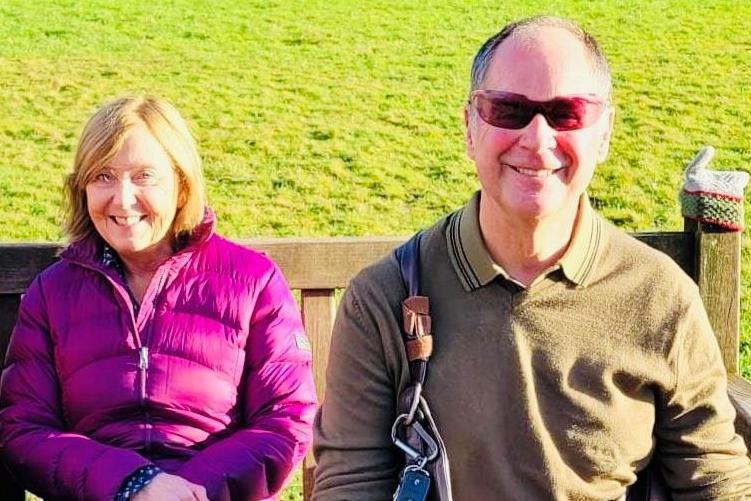
Mary, who recently turned 70, expressed her feelings about reliving the painful memories. “It is hard to have to go over all these tragic circumstances again, but we as a family hope that doing so might make clinicians more thoughtful about diagnosis and being more approachable when things have gone wrong.”
She explained that her husband took his own life due to the stress of her cancer and the upheaval of moving. Given his family history of dementia, David feared he would become a burden to the family. “My lovely husband took his own life, I believe, due to the stress of my cancer and all the upheaval of moving, and at the same time trying to get Aberdeen Royal Infirmary to downgrade my cancer staging.”
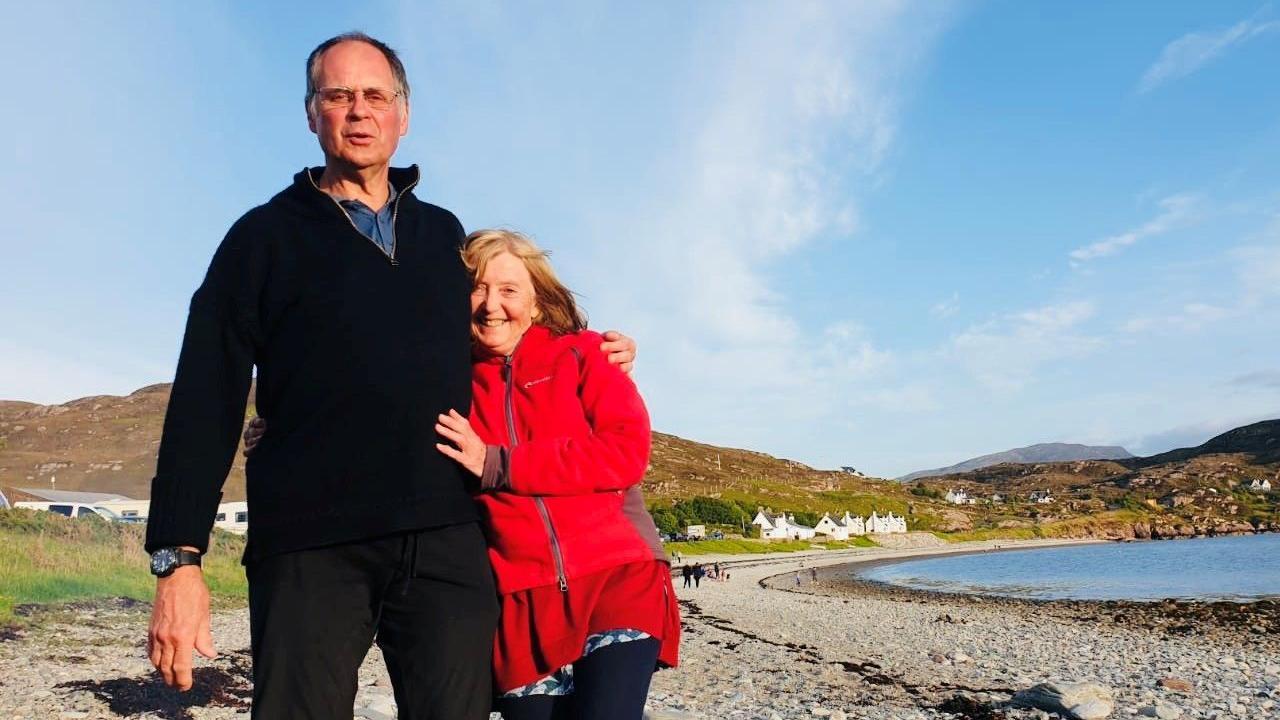
Lizzie described her mother as an incredibly resilient person, who volunteers at the Red Cross and maintains an active lifestyle. “She has lost the other half of her,” Lizzie said. “She is absolutely devastated by it, but is a very strong woman, and is making the best of life.”
The SPSO ruling confirmed that the family understood metastatic stage four cancer had been detected after speaking with a consultant. The report noted that the family made “significant life-changing decisions based on this understanding.” It also highlighted that a subsequent MRI scan showed no convincing evidence of metastatic disease.
Dr. Rafael Moleron, cancer lead clinician at NHS Grampian, stated that the organization accepts the SPSO’s decision and apologizes unreservedly for the errors and distress caused. He mentioned that decisive actions have been taken to improve how clinical information is shared and recorded, ensuring that uncertainty and differing opinions are clearly documented.
“We are also enhancing communication with patients, so they are fully informed about their care and ensuring access to independent second opinions where concerns remain,” he added. These efforts aim to improve transparency, support better clinical decision-making, and deliver the highest standards of patient care.
If you or someone you know is struggling with feelings of despair or suicidal thoughts, help is available through various support lines.