Reviewed medically by Sohaib Imtiaz, MD
Pears offer a good amount of fiber, with roughly 5.5 grams in a medium-sized fruit, though other foods can deliver similar or higher amounts per serving. Fiber plays a key role in keeping your digestive system functioning properly, supporting healthy cholesterol levels, and helping you stay satisfied for longer periods.
1. Chia Seeds
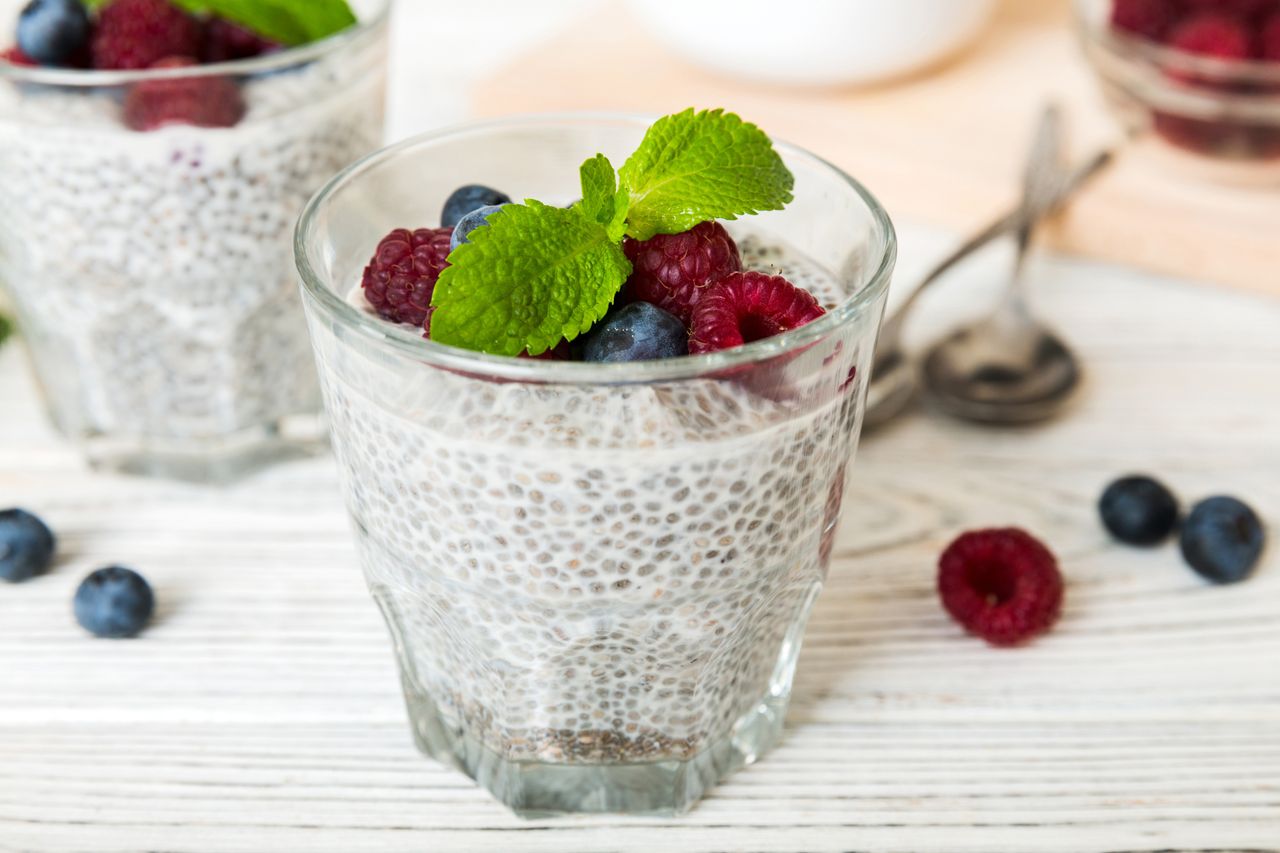
Fiber: 10 grams for every 2 tablespoons (1 ounce)
Chia seedsare rich in fiber andomega-3 fatty acids, which are beneficial for cardiovascular health. These small seeds expand when soaked, allowing you to create chia pudding by combining them with milk or a plant-based substitute. Add them to yogurt, oatmeal, or smoothies for a simple increase in fiber.
2. Split Peas

Fiber: 8.2 grams in a 1/2 cup portion when cooked
Split peas are pulses that are high insoluble fiber, which can aid in reducing cholesterol. They also offer protein and B vitamins. Split pea soup is a traditional method to savor this high-fiber ingredient. You can also incorporate them into casseroles or curries for an enhanced nutritional boost.
3. Raspberries
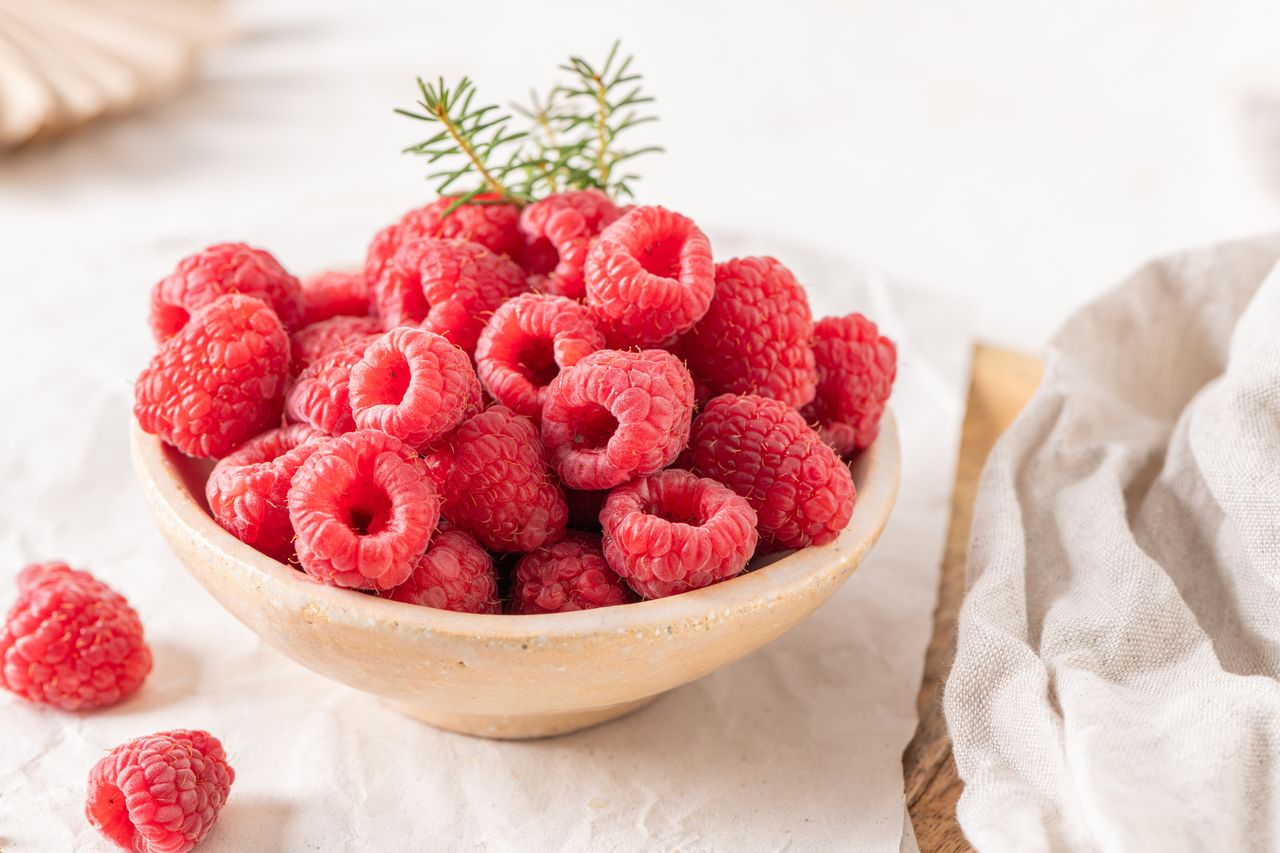
Fiber: 8 grams in a 1-cup portion
Raspberriesare among the top fiber-rich fruits. They also have antioxidants that promote general well-being. You can enjoy them raw, mix them with cereal or yogurt, or include them in smoothies. Frozen raspberries are great for baking or as a delicious topping for oatmeal.
4. Lentils
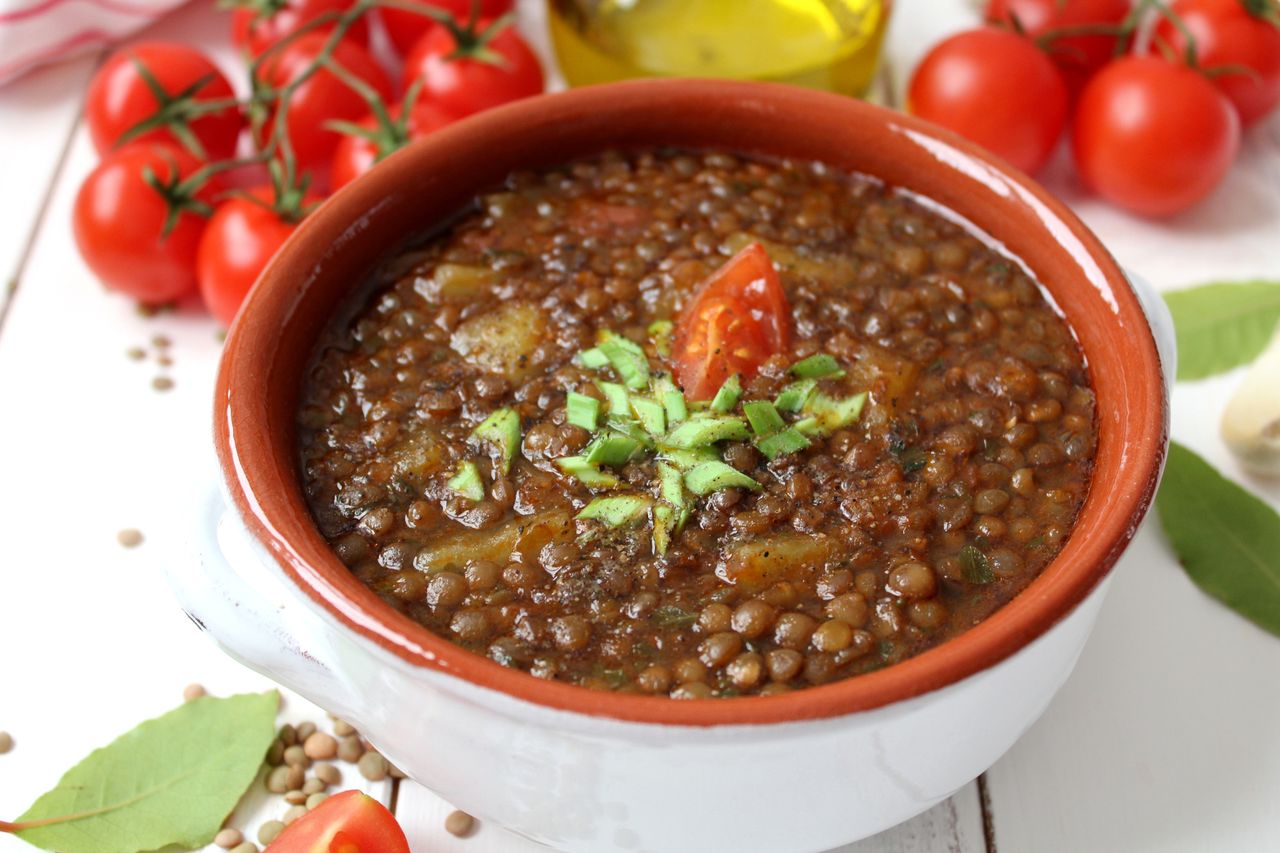
Fiber: 7.8 grams in a half-cup portion when cooked
Lentilsare a cost-effective source of fiber. They also includeplant-based protein, iron, and folic acid. You can incorporate lentils into soups, stews, salads, or even puree them for vegetable burgers. For a straightforward meal, try a lentil salad with tomatoes, cucumbers, and a mild dressing.
5. Pinto Beans
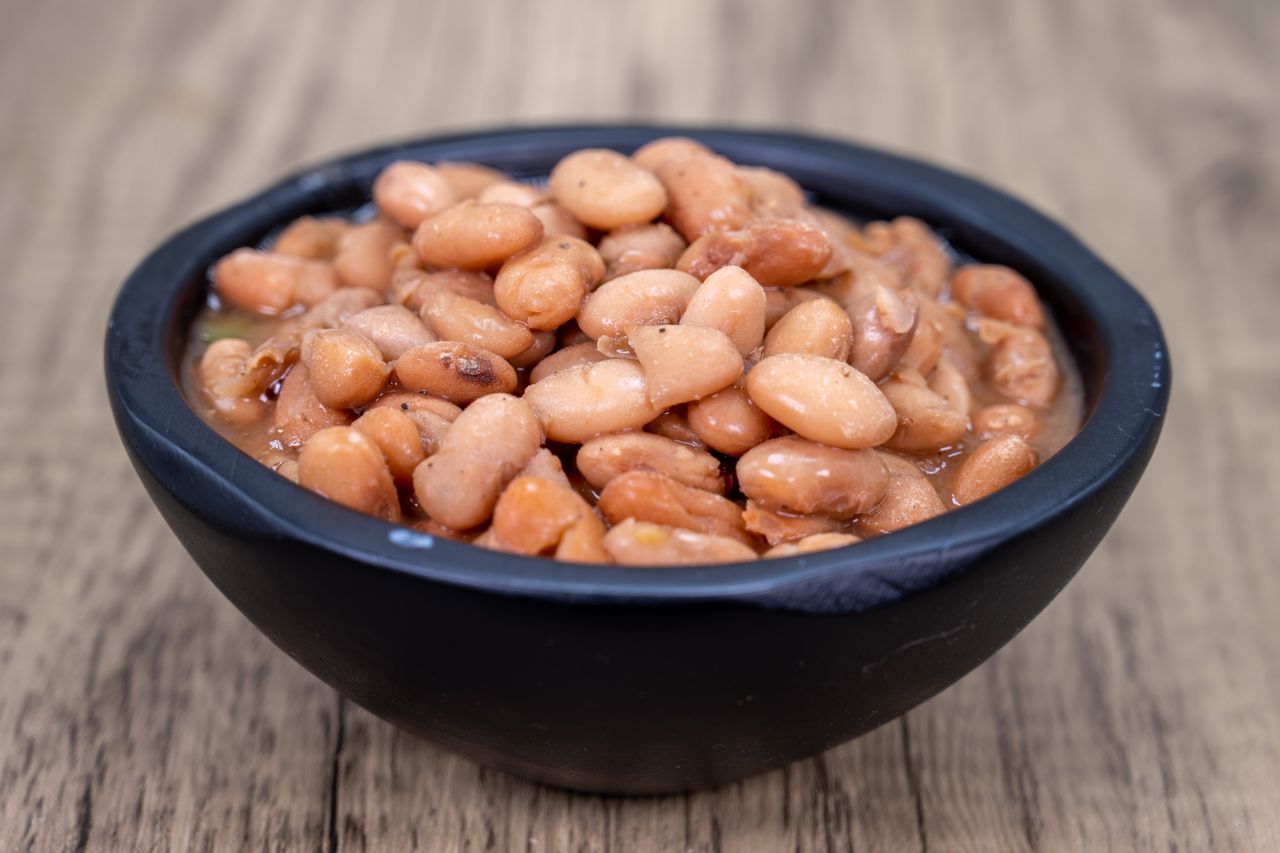
Fiber: 7.7 grams in a 1/2 cup cooked portion
Pinto beansare commonly found in burritos, chili, or bean salads. Along with fiber, they alsorich in proteinand a variety of essential vitamins and minerals. Preparing a large quantity at home and keeping it in the refrigerator allows for simple addition of fiber to any meal.
6. Black Beans
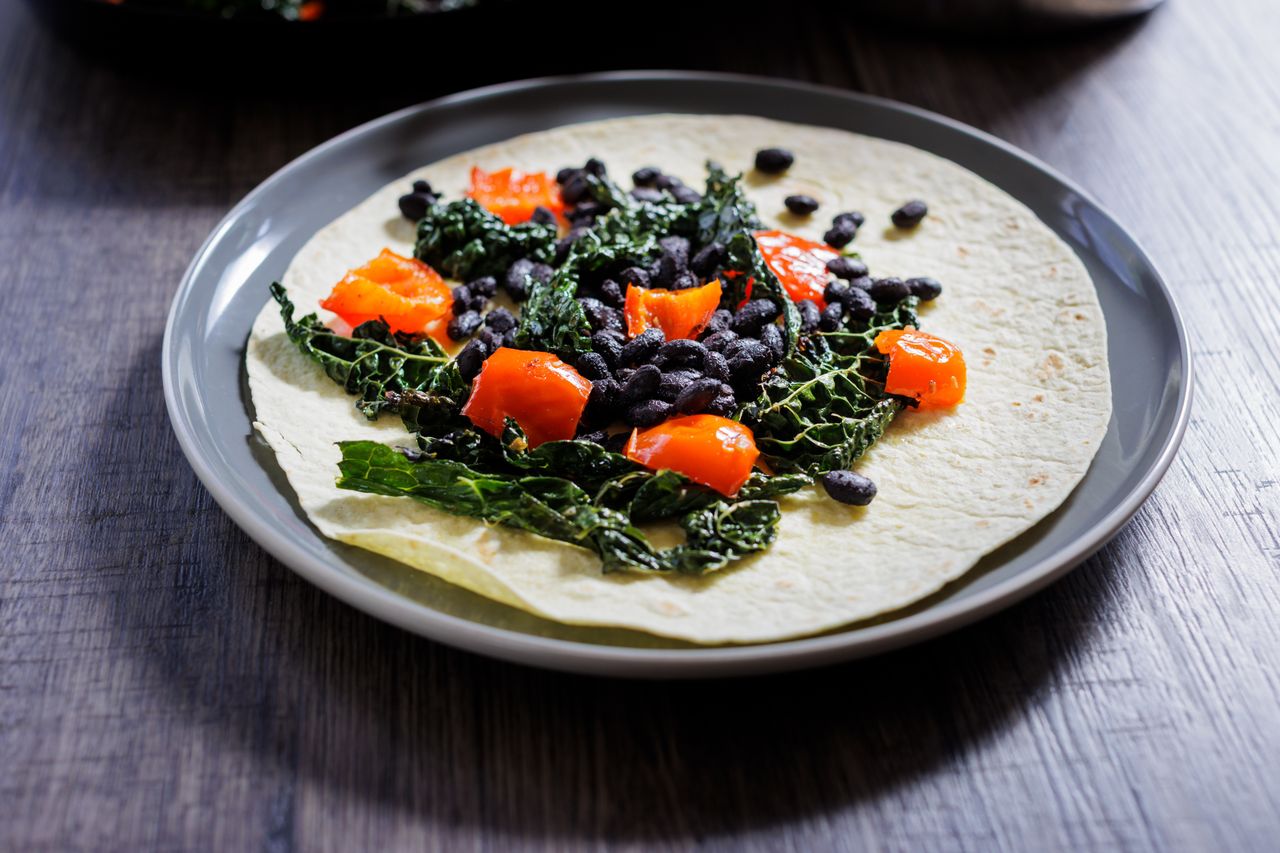
Fiber: 7.5 grams in a half-cup cooked portion
Black beansare rich in fiber and also loaded with protein and antioxidants. They can be added to salads, tacos, burrito bowls, or soups. Even a basic black bean dip made with avocado and lime juice is a delicious way to boost your fiber intake.
7. Avocado
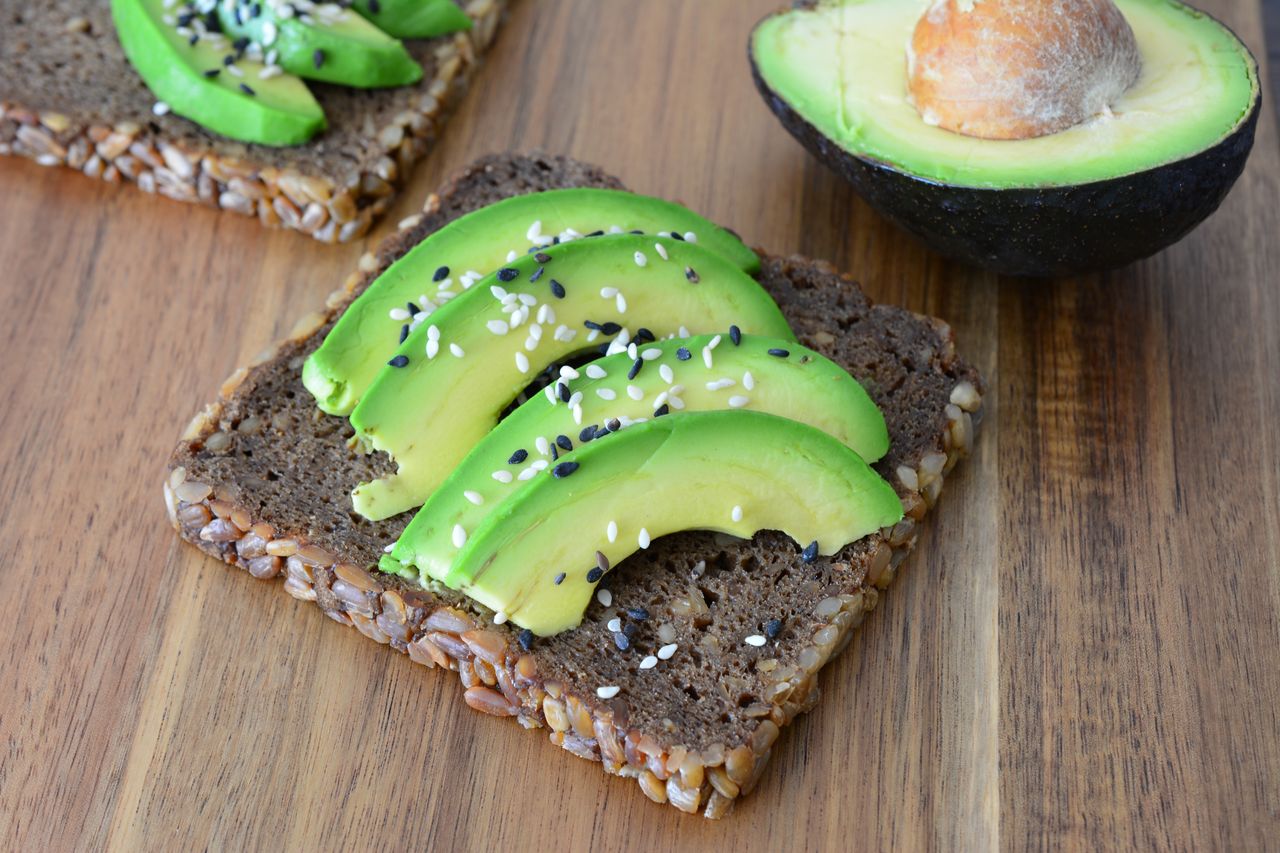
Fiber: 7 grams in half an avocado
AvocadosThey are smooth, tasty, and high in fiber. They also contain beneficial fats, potassium, and vitamin E. Incorporate avocado into salads, on bread, or in guacamole. Even a few slices added to a sandwich can boost both fiber content and taste.
8. Lima Beans

Fiber: 6.6 grams in a half-cup cooked portion
Lima beans are yet another legume high in fiber. They also provide a good amount of protein, iron, and magnesium. Lima beans can be incorporated into soups, stews, or salads. To create a smooth side dish, blend cooked lima beans with some olive oil and spices.
Ways to Increase Fiber Intake in Your Meals
Fiber plays a crucial roleA balanced diet is essential, and it’s simple to increase your intake by including these foods. By incorporating lentils, beans, seeds, fruits, and vegetables into your meals, you can experience greater satiety, maintain healthy digestion, and support heart health.
Use these suggestions to boost yourfiber intake from food:
- Start slow: If you aren’t accustomed to consuming high amounts of fiber, slowly raise your intake to prevent digestive issues like bloating or unease.
- Drink plenty of water:Maintaining proper hydration supports smooth digestive function. Certain types of fiber absorb water, creating a gel-like substance in the digestive system.
- Mix fiber sources:Incorporate a mix of fruits, vegetables, whole grains, legumes, and seeds to fulfill your daily requirements for fiber and essential nutrients.
Read the original story onVerywell Health