Hydrangeas are undeniably beautiful, especially when in full bloom. However, if you’re aiming to create a garden that’s more water-efficient, they might not be the best choice. These plants require consistent moisture to thrive and look their best. If you’re looking for an alternative that offers similar visual appeal without the high water demands, consider the fernbush (Chamaebatiaria millefolium). This drought-tolerant plant can be a great addition to any garden that prioritizes low-maintenance landscaping.
Fernbush is unique in that it is the only species in its genus, making it an intriguing option for plant enthusiasts who enjoy collecting rare or unusual specimens. Native to dry regions of the western United States, this shrub is well-suited for USDA Hardiness Zones 4 through 10. It grows as a woody shrub, reaching heights between 3 and 7 feet, and maintains a rounded shape similar to many hydrangea varieties. In colder climates, it will lose its leaves during the winter but remains evergreen in warmer areas.
One of the most appealing features of fernbush is its delicate, fern-like foliage, which adds texture to the garden. Additionally, it produces clusters of small white flowers in mid-to-late summer. These blossoms are fragrant, offering an extra sensory delight to your outdoor space. Unlike hydrangeas, fernbush doesn’t require frequent watering once it’s established, making it an ideal choice for those looking to reduce their garden’s water consumption.
How to Grow Fernbush in Your Garden
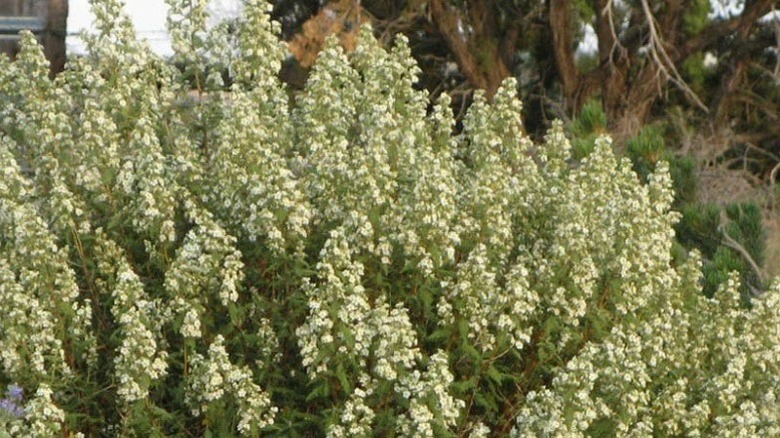
Unlike hydrangeas, which prefer partial shade, fernbush thrives in full sun. It is adaptable to a range of soil types, including alkaline soils, as long as drainage is adequate. This makes it a versatile option for planting alongside other low-maintenance perennials such as American agave (Agave virginica) and ‘Matrona’ stonecrop (Hylotelephium telephium ‘Matrona’).
When first planting fernbush, ensure it receives enough water to help its roots establish themselves in the ground. Once established, it can tolerate dry conditions. During extended periods of hot, dry weather, occasional watering will help maintain its lush appearance.
Pruning is recommended in the spring or summer to remove older branches, particularly those from the center of the plant. This helps maintain a dense, compact growth habit and prevents the shrub from becoming too woody. While fertilizer is not necessary, a small amount of nitrogen fertilizer applied in the summer can be beneficial if desired.
Benefits Beyond Beauty
Fernbush is also a valuable addition to any garden that supports local wildlife. It attracts various pollinators and serves as a host plant for the spring azure butterfly, a species that does not migrate. This means you can enjoy these butterflies in your garden year after year.
If you’re interested in adding fernbush to your collection, check with native plant nurseries for availability. Once planted, this resilient shrub will provide beauty, fragrance, and ecological benefits without the need for constant care. It’s a smart choice for gardeners who want to create a sustainable, visually appealing landscape.