Reviewed medically by Suzanne Fisher, RD
While salads might not be the first choice for increasing protein intake, they can quickly transform into high-protein dishes by adding elements such as meat, nuts, fish, and eggs to help maintain satiety throughout the day.
Here are seven protein-rich salads to bring more diversity to your meals.
1. Chicken Caesar Salad
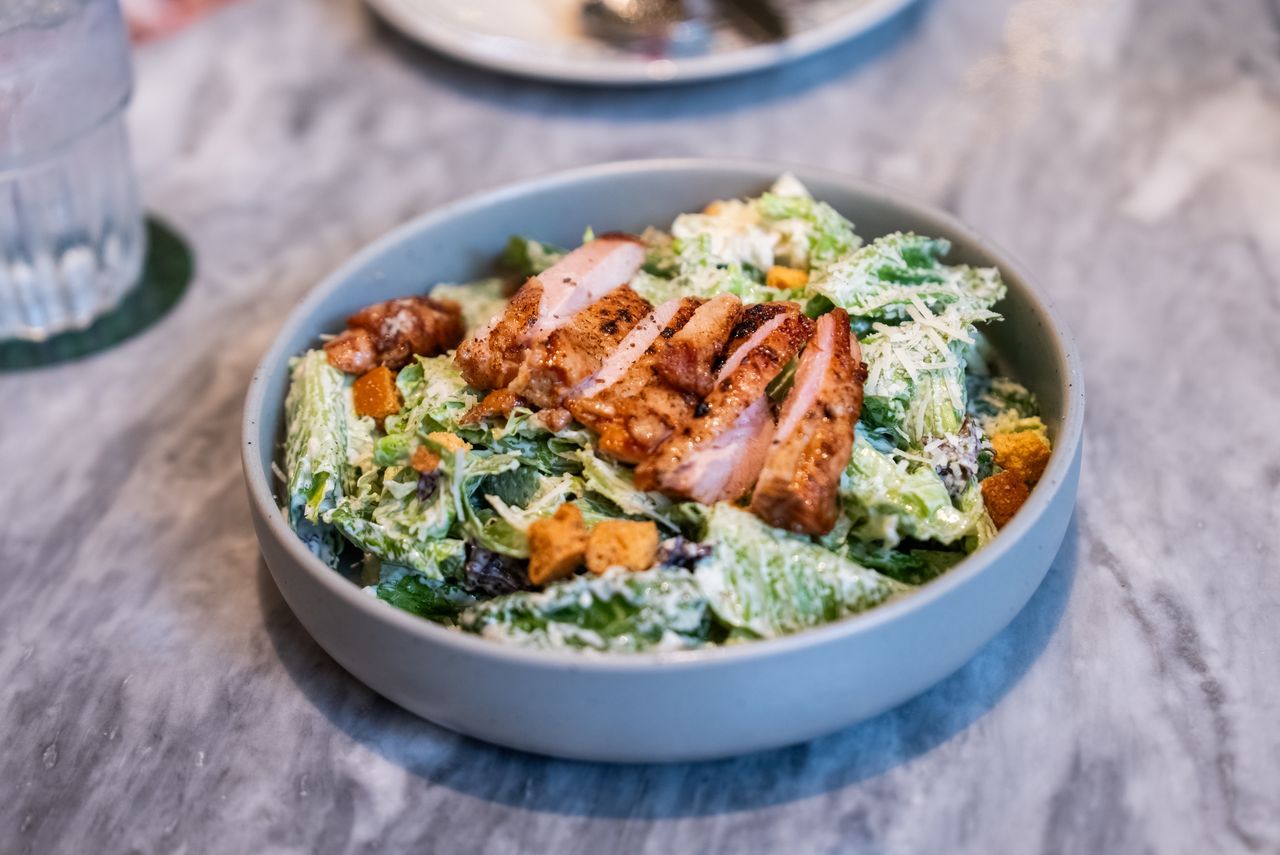
A traditional Caesar salad includes romaine lettuce, Parmesan cheese, croutons, and Caesar dressing. Adding a 3-ounce portion of chicken offers 25 grams of protein.
Typically, a high-protein salad should contain between 20 and 35 grams of protein, as perHalle Saperstein, RD, a registered dietitian at Henry Ford West Bloomfield Hospital.
2. Niçoise Salad
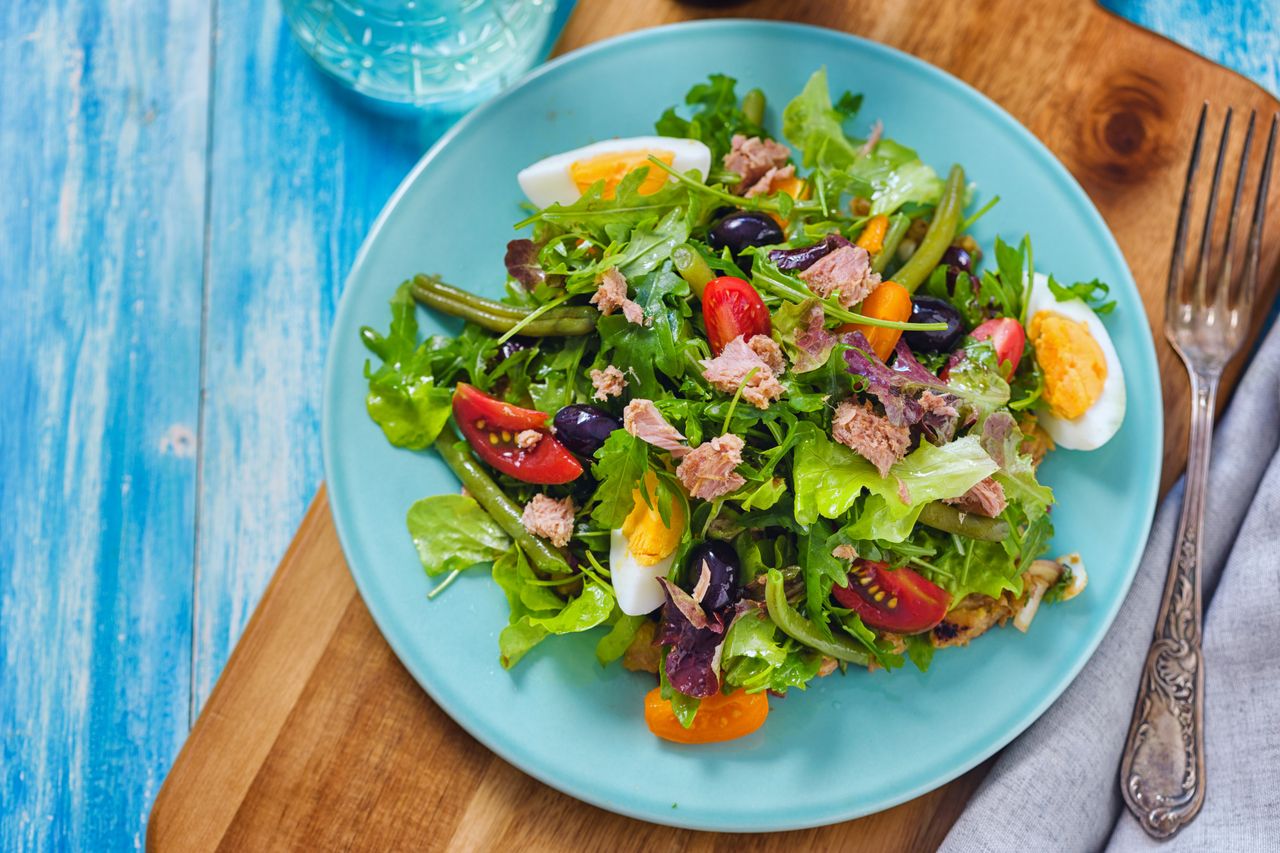
This French salad is packed withhigh-protein ingredientsIt is commonly made with tuna and hard-boiled eggs, but you can also include anchovies or beans to boost the protein content.
One boiled egg contains approximately 5.5 grams of protein, while 3 ounces of canned tuna provides 16.2 grams of protein.
Besides the protein components, this salad includes fresh vegetables such as lettuce, cherry tomatoes, potatoes, green beans, and olives. You can readily combine it with other veggies, like radishes or bell peppers.
“Strive to include a variety of colors, as different colored vegetables offer distinct, essential vitamins and minerals,” Saperstein stated.
3. Cobb Salad
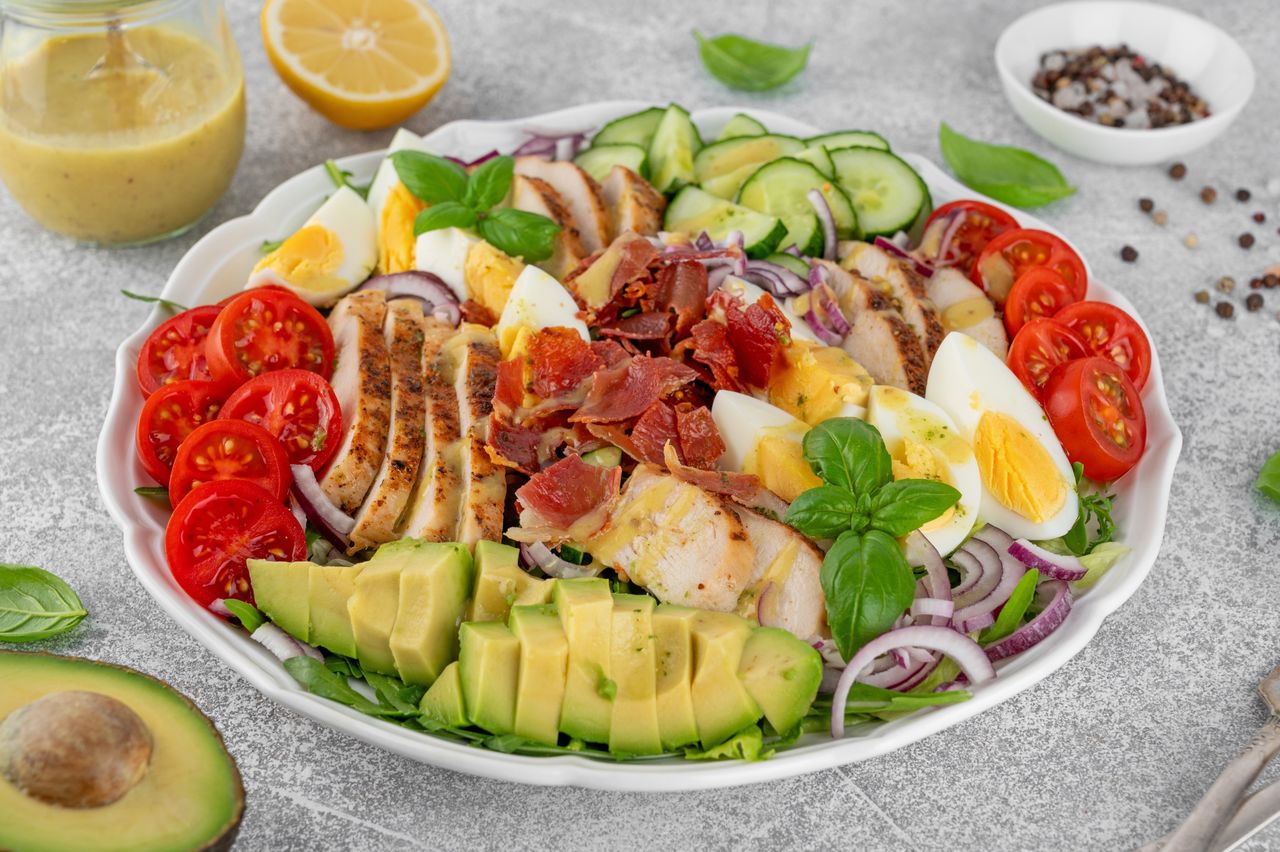
A Cobb salad usually includes bacon, hard-boiled eggs, chicken, and avocados, all of which are sources of protein. This dish also contains lettuce, blue cheese, tomatoes, and a dressing.
You can obtain 5 grams of protein from two slices of bacon and 2 grams of protein from half an avocado. Saperstein suggests replacing the bacon with turkey bacon.
Turkey bacon contains a similar level of protein, but has half the sodium and saturated fat compared to pork bacon. This is a particularly beneficial substitution for individuals following aheart-healthy diet.
4. Taco Salad
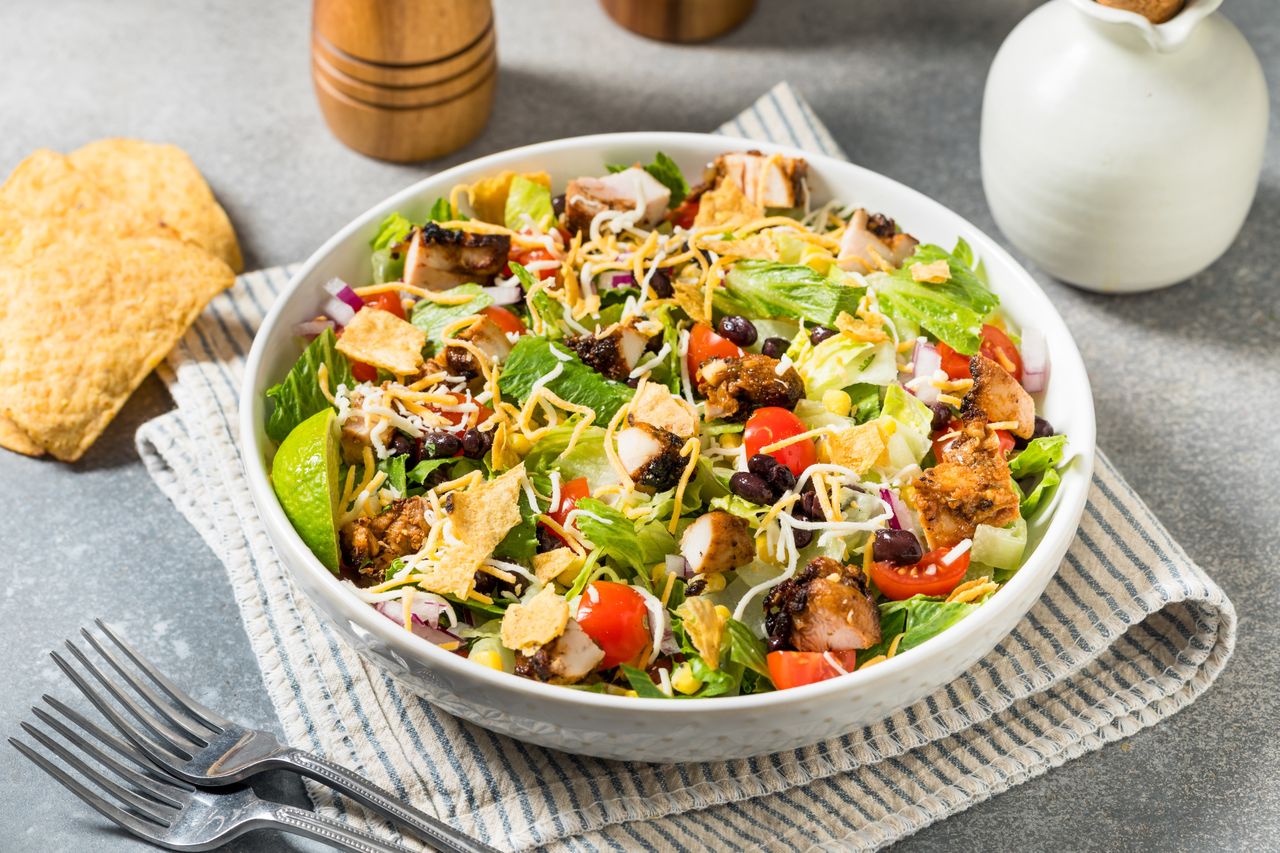
Taco salads typically feature romaine lettuce, black beans, cheese, tortilla chips, and ground beef, though you can vary the components to adjust the protein levels. A 3-ounce portion of ground beef provides 14.25 grams of protein, while a half-cup of black beans contains 7 grams of protein.
Remember that salads can easily become high in calories, sodium, fat, and added sugars, depending on the additional ingredients you include, said Saperstein.
5. Chef Salad
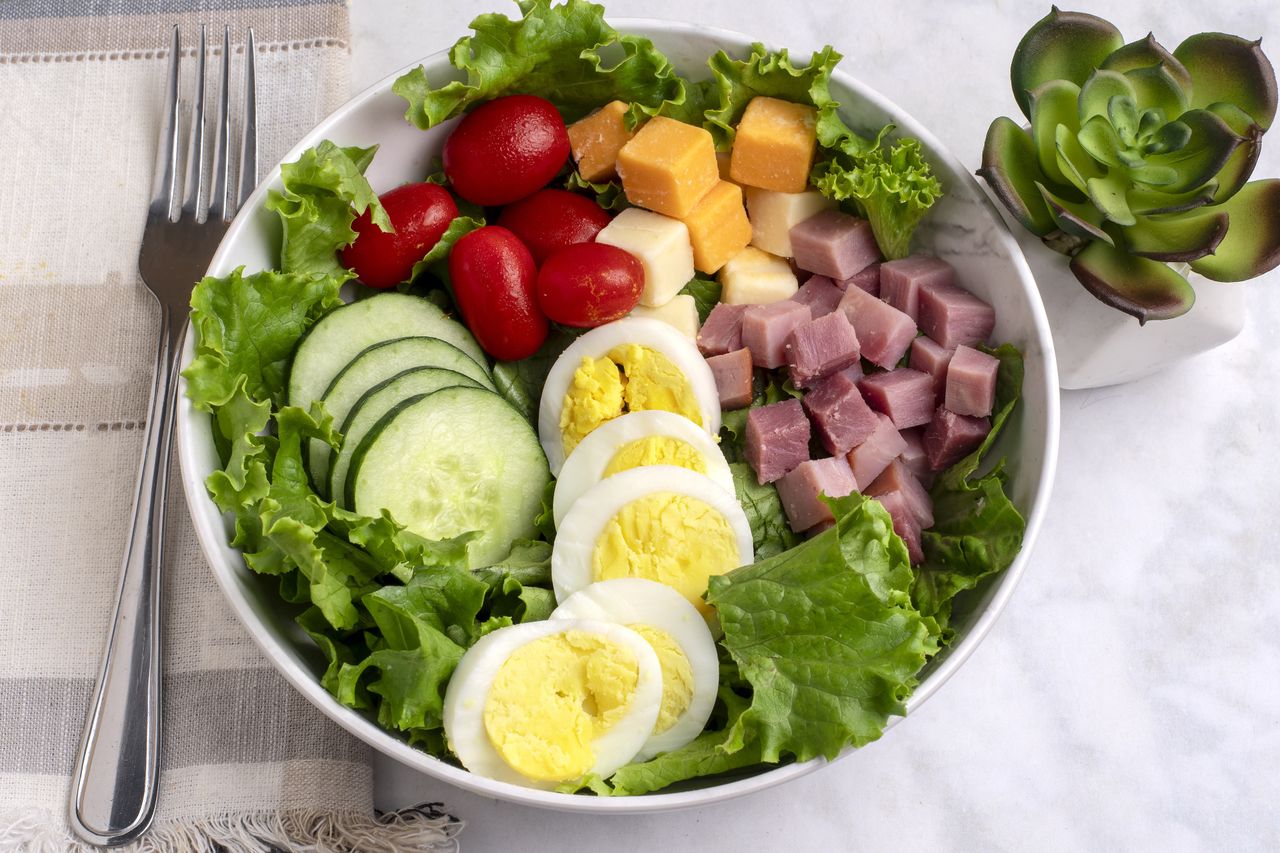
A chef’s salad is comparable to Cobb and Niçoise salads. It typically includes lettuce, cheese, tomatoes, cucumbers, hard-boiled eggs, and a range of meats such as roast beef, turkey, ham, or chicken.
To enhance the nutritional value of a chef’s salad—or any salad—try serving the dressing separately so you can manage your portion size.
“Salad dressings can significantly increase the amount of saturated fat and calories in a salad,” Saperstein stated.
6. Tuna Salad
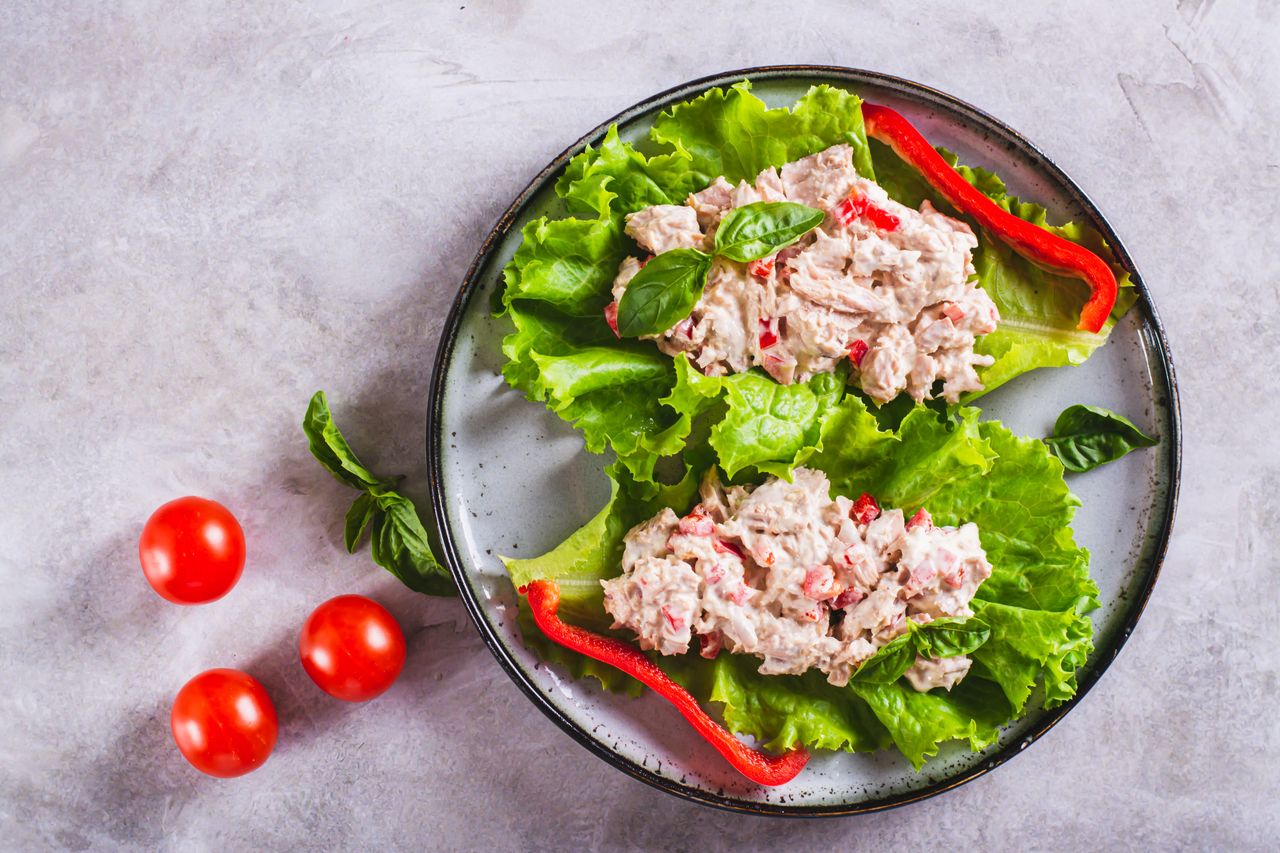
Tuna salad makes a wonderful choice forheart-healthy omega-3sand protein. A 3-ounce serving of canned tuna provides 16.2 grams of protein. You can enhance the protein content of your tuna salad by adding chopped hard-boiled eggs.
You can savor tuna salad over a bed of lettuce or as a sandwich. Adding it between two slices of whole wheat bread would provide 8 grams of protein to your meal.
7. Asian Chopped Salad
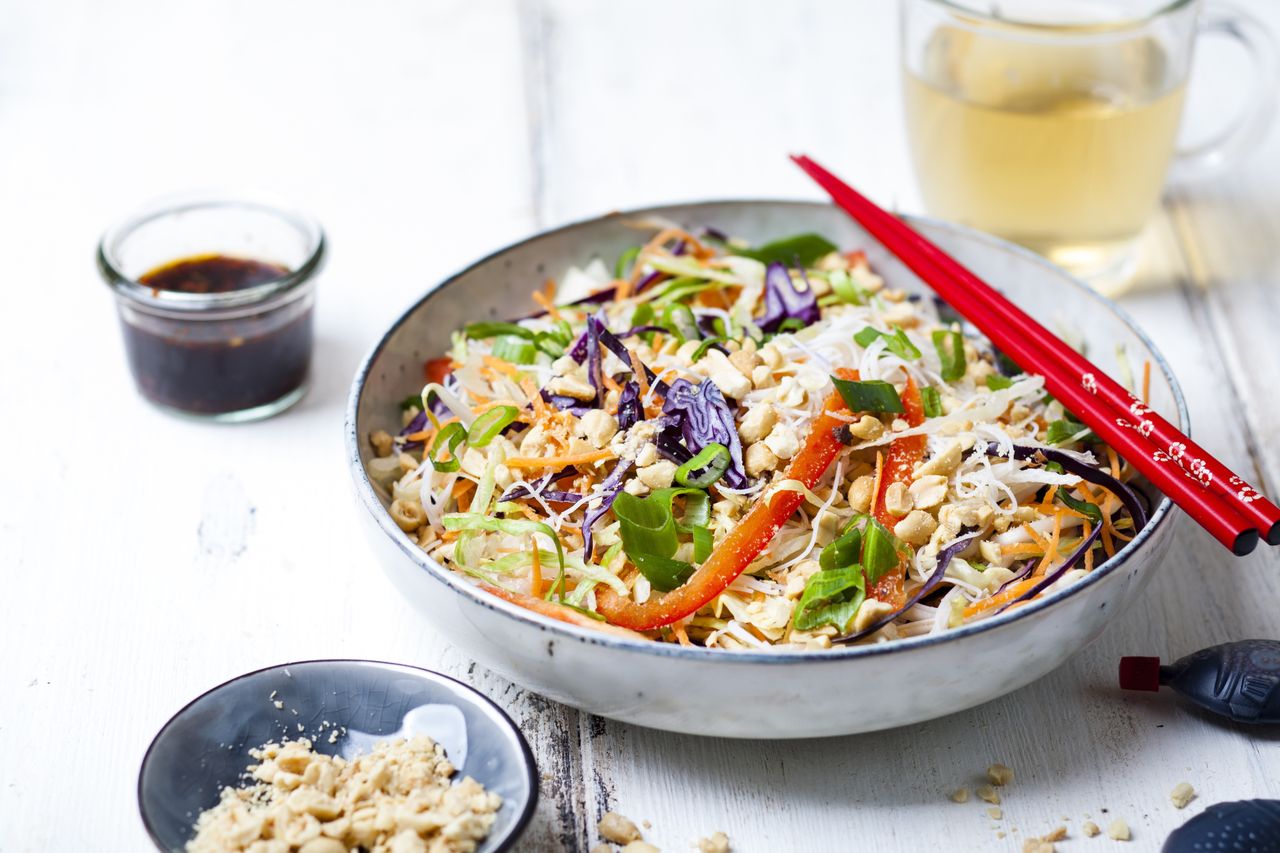
Some eateries offer Asian-style chopped salads that include a range of fresh produce, peanuts, and edamame. This plant-based salad offersprotein from peanuts and edamameOne ounce of peanuts contains approximately 7 grams of protein, while half a cup of shelled edamame provides 8 grams of protein.
You can boost the protein content by adding tofu or grilled chicken. However, it’s wise to consult a reliable healthcare provider before significantly increasing protein in every salad.
“I suggest consulting a licensed dietitian, since individual protein requirements vary. More doesn’t necessarily mean better,” stated Saperstein.
Read the original story onVerywell Health