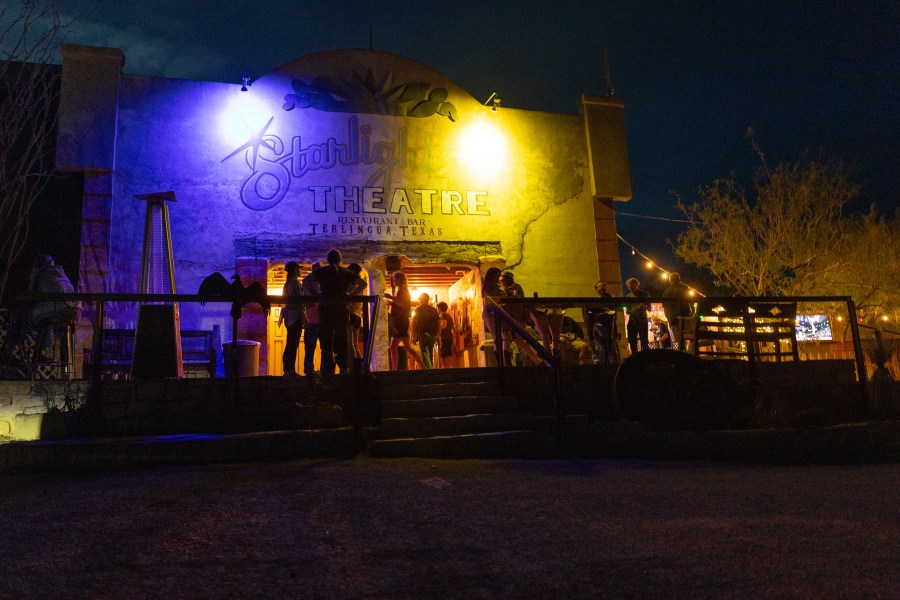
Billy Bartko, owner of the Far Flung Outdoor Center in Terlingua, Texas, traveled over 2,000 miles to Capitol Hill with a clear message for lawmakers and President Donald Trump: “Listen to the locals and protect our land.”
Bartko is known for his work in the Big Bend region, where he has been involved in various outdoor businesses. He previously owned The Summit at Big Bend, which offers glamping domes, casitas, and cave hotel rooms with breathtaking views of the Big Bend and ideal stargazing opportunities.
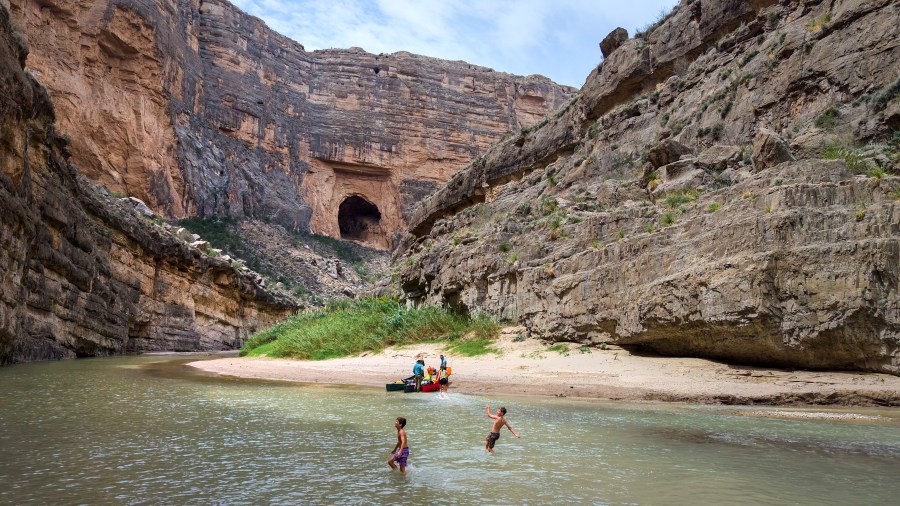
In addition to his business ventures, Bartko is a member of No Big Bend Wall, a community coalition dedicated to stopping the proposed construction of a border wall. The group argues that a permanent barrier would harm river-based tourism, reduce property values, destroy wildlife corridors, and damage archaeological sites along the Rio Grande corridor.
On Thursday, Bartko joined several Texas lawmakers and members of the Laredo-based No Border Wall Coalition and the Rio Grande International Study Center in Washington, D.C., to speak out against plans for border walls in Big Bend National Park, Big Bend Ranch State Park, and Laredo.
“We do not need a wall, and we do not need any border barriers inside the Rio Grande River,” Bartko said during a news conference outside the Capitol. “Our Big Bend sector represents 517 miles of some of the most pristine, untouched landscape in America.”
Bartko also pointed out that the U.S. Border Patrol’s Big Bend Sector has the fewest migrant encounters. According to U.S. Customs and Border Protection data released last week, the Big Bend Sector accounted for 2.5% of all migrant encounters along the Southwest border this fiscal year, which started on Oct. 1. Only the Yuma Sector had fewer encounters.
“Billions of dollars are being pushed into this project that does not match the reality of what is on the ground,” Bartko said. “Contracts have already been awarded without competition. Work has already been done without environmental studies or local government approval. DHS is proceeding without any accountability or oversight. What we are seeing right now is not responsible governance. It is reckless. It is rushed. And it is putting lives, property, and irreplaceable landscapes in danger.”
Wearing a Big Bend T-shirt and baseball cap that read “No Al Muro,” Spanish for “no border wall,” Bartko called for full transparency, competitive bidding, and complete economic and environmental studies.
“Rescind the funding, stop this project, save the Rio Grande River, and save Big Bend,” he said.
No Big Bend Wall and other groups have raised concerns about the increased risk of flooding from border wall construction. Laredo City Councilwoman Melissa Cigarroa noted that the Trump administration suspended laws that would have forced the government to study whether this infrastructure project would increase flooding risks.
She cited a study by Mark Tompkins, a fluvial geomorphologist hired by the Rio Grande International Study Center, on the effects of buoys in the river basin. The study found that the risks of the proposed wall and buoy system are “dramatic,” adding that the infrastructure could increase water flows during flooding, trap litter and debris, threaten livestock and property, and endanger bridges.
“This river is an urban river with 20-plus riverside neighborhoods dating back to the 1800s in Laredo that house tens of thousands of residents that I represent, and there are tens of thousands of people in our sister city in Nuevo Laredo in Mexico who live along this river, too,” Cigarroa said. “It is our duty as city leaders to oppose the wall until the proper studies are conducted and this plan is changed to prove that people in my community will not die.”
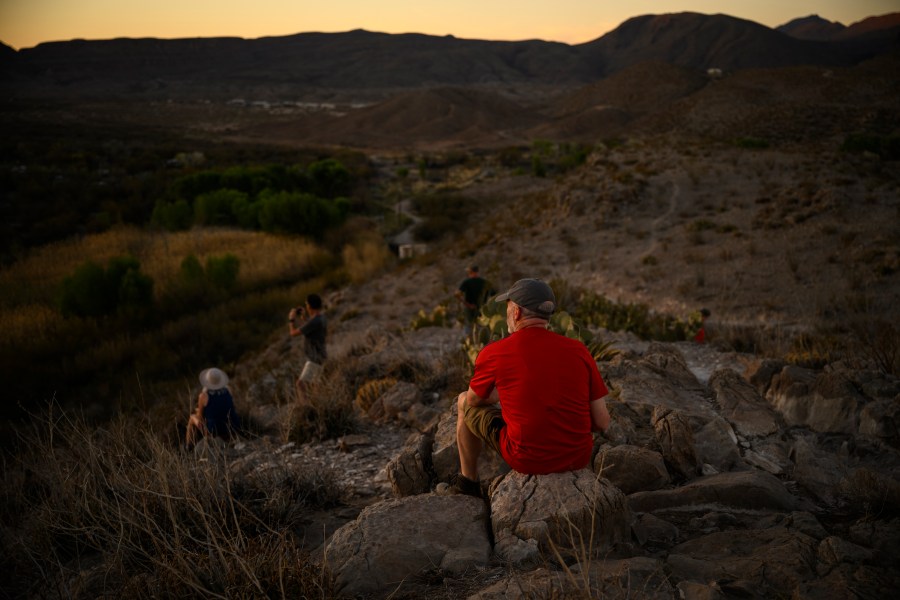
U.S. border officials have repeatedly stated that a border wall is necessary to keep the nation safe from drug smugglers and human smugglers. U.S. Customs and Border Protection has acknowledged that permanent 30-foot steel bollards can be impractical and has scaled plans in certain parts of the Big Bend area, but plans for “smart walls” are still in place.
“A border wall with the right technology — a Smart Wall — is an important tool to stop illegal activity and to help agents do their job, which is critical in keeping America safe,” CBP Commissioner Rodney Scott said late last year in a statement announcing contracts for “smart wall” projects in Texas and Arizona.
The “smart wall” can include steel bollard walls, roads, detection technology, cameras and lighting, as well as waterborne barriers or secondary walls.
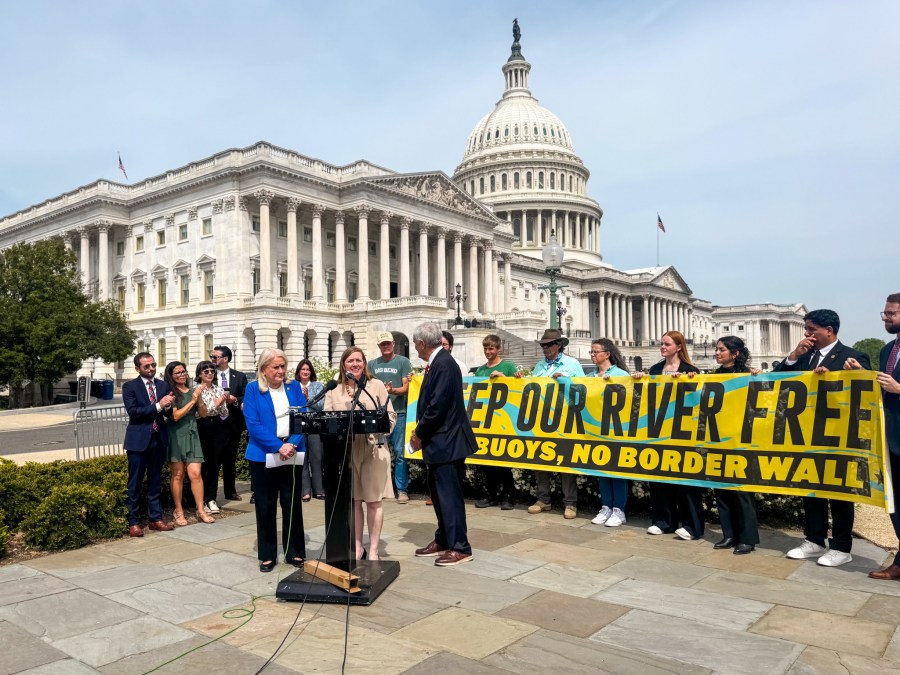
U.S. Rep. Lloyd Doggett, D-Texas, led Thursday’s news conference. Democratic U.S. Reps. Greg Casar, Sylvia Garcia, Lizzie Fletcher, Christian Menefee, and Al Green also spoke.
Doggett said both Democrats and Republicans have come out against the Big Bend border wall plans, including Texas border sheriffs in the region. Doggett said he’d like Republicans in Congress to join them.
“Border county sheriffs, both Democrat and Republican, are united in their opposition,” Doggett said. “But despite all that, unfortunately, we’ve yet to have a single elected Republican Congress member or senator who’s spoken out against the folly of this plan. I believe that this issue has the opportunity to unite people of different political parties and different political persuasions, and that’s already really happened in Big Bend.”