Orchid Care in June: Essential Tips for Healthy Blooms
June is the peak flowering season for most orchids, and it’s a crucial time to ensure your plants remain healthy and vibrant. With rising temperatures and increased sunlight, there are several key care tasks you should focus on this month to support your orchids’ growth and encourage more blooms.
One of the most important things to remember is that orchids require more frequent watering during this time. As the weather warms up, the soil dries out faster, so it’s essential to monitor moisture levels closely. However, balance is key—overwatering can lead to root rot, which can be detrimental to your plant’s health.
Water More Regularly
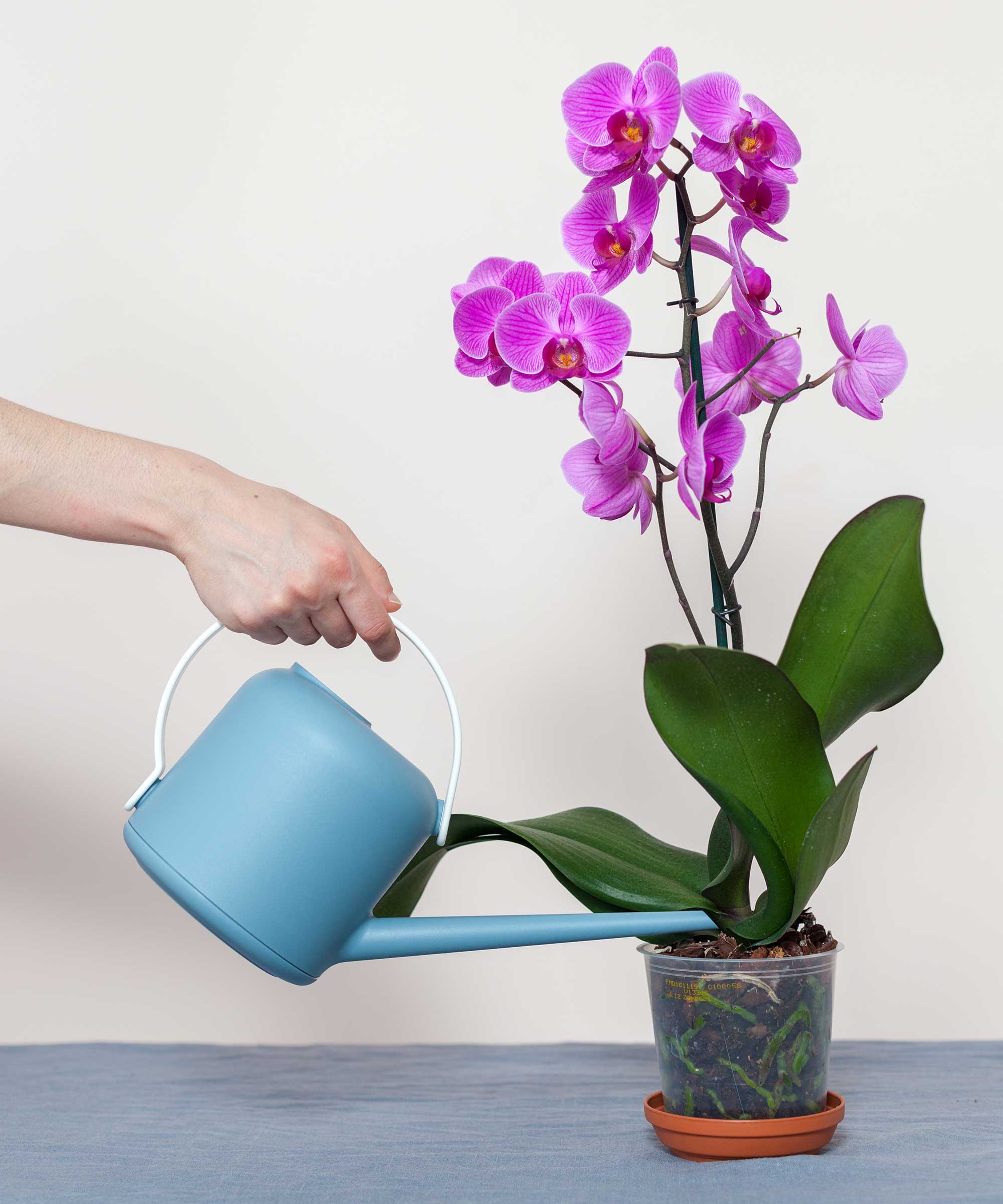
Watering orchids can be tricky, but understanding when they need water is critical. Instead of relying solely on soil moisture meters, it’s often better to check the roots. If the roots appear silver, it’s a sign that your orchid needs water. If they look green, your orchid is well-hydrated and doesn’t need additional moisture just yet.
Orchids need much more water during the summer than in other seasons. According to Tenielle Jordison, Gardens Content Editor at Homes & Gardens, “Orchids need much more water during summer than previous seasons.” She also adds, “Watering orchids is a tricky task as it is, so it can be a struggle to know how much more water your orchid needs right now.”
Fertilize Regularly
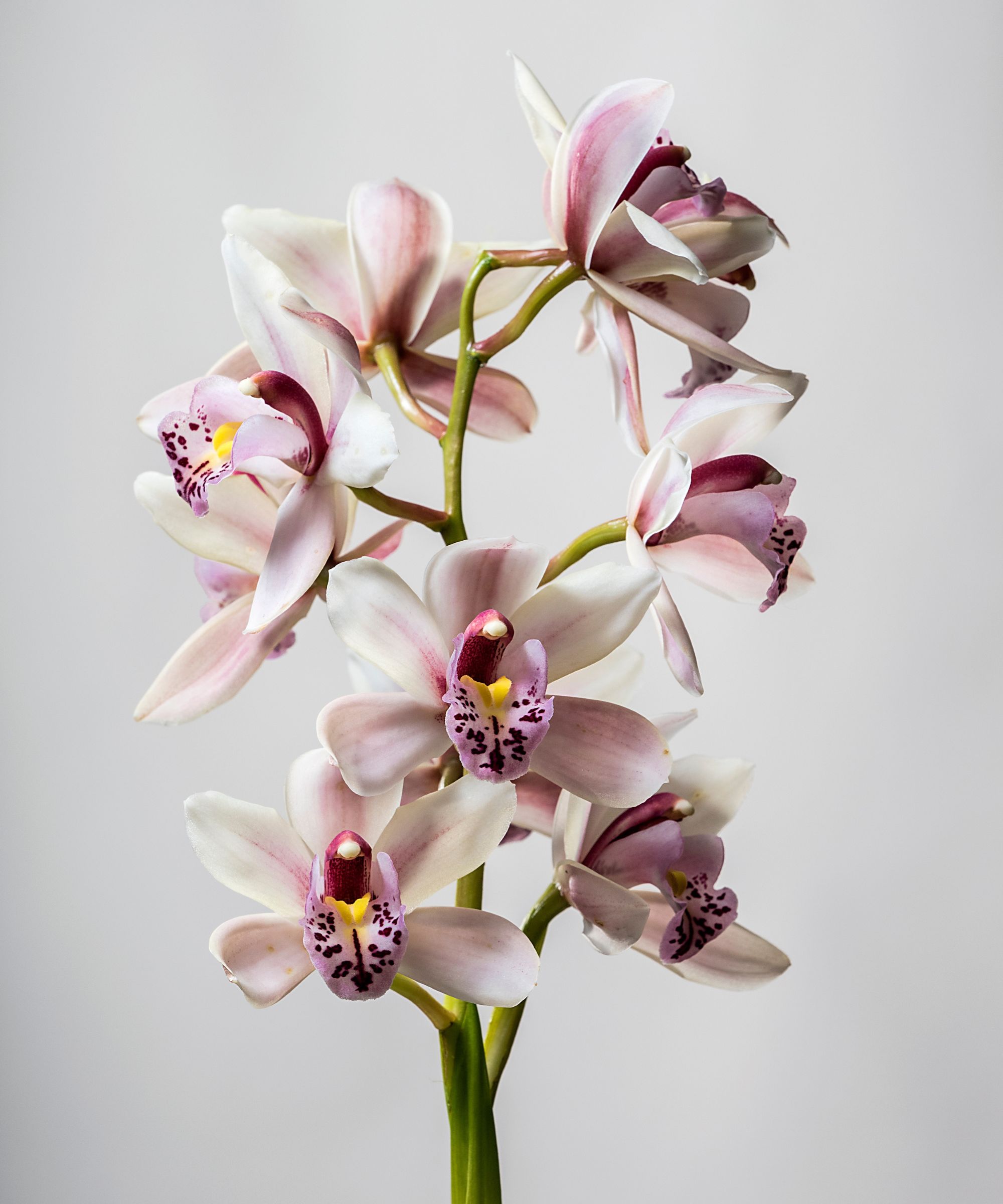
Fertilizing is another essential task for orchid care, especially during their active growing season. Whether you make your own fertilizer or use a ready-made option like the Miracle-Gro indoor plant mist for orchids, it’s best to fertilize every 2-4 weeks throughout spring and summer.
You can also use general-purpose indoor plant food, which is widely available at stores like Walmart. This ensures your orchid gets the necessary nutrients to thrive and produce more blooms.
Prune Carefully to Encourage New Blooms
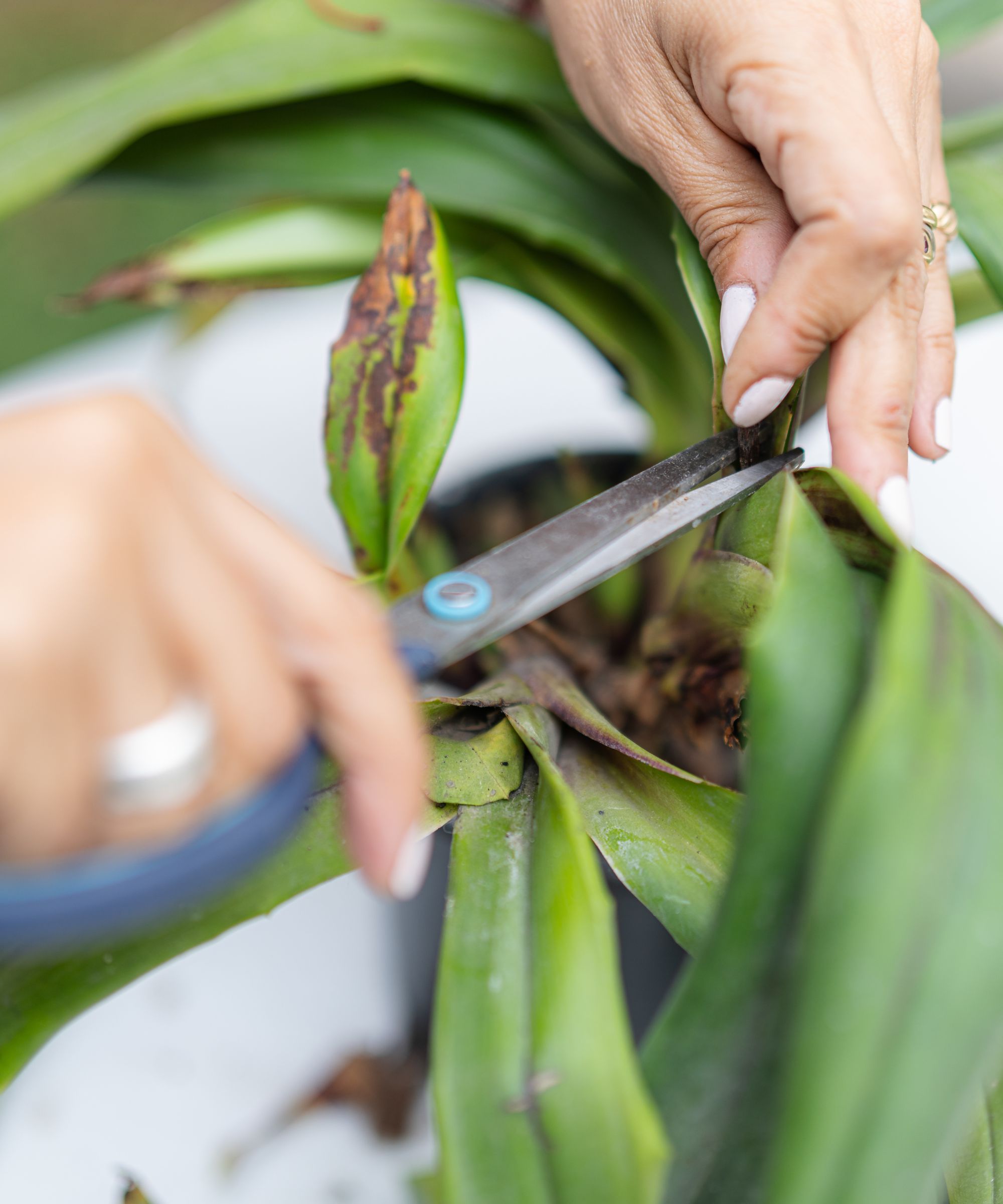
Pruning is an important part of orchid care, but it requires careful attention. Different types of orchids have different pruning needs, and some shouldn’t be pruned at all. However, phalaenopsis orchids (commonly known as moth orchids) can be carefully trimmed in June to encourage new blooms.
By June, your moth orchids may start to look a little tired after several weeks of flowering. It’s common for flowers to drop off at the start of summer and for orchid stems to turn yellow. To encourage another flush of blooms, use sharp scissors to make careful cuts along the flower stem. Look for the part of the stem that is still firm and green, then cut half an inch above a dormant “eye” (the triangular bumps along the stem). This will encourage new growth with brand new flower buds.
Improve Air Circulation
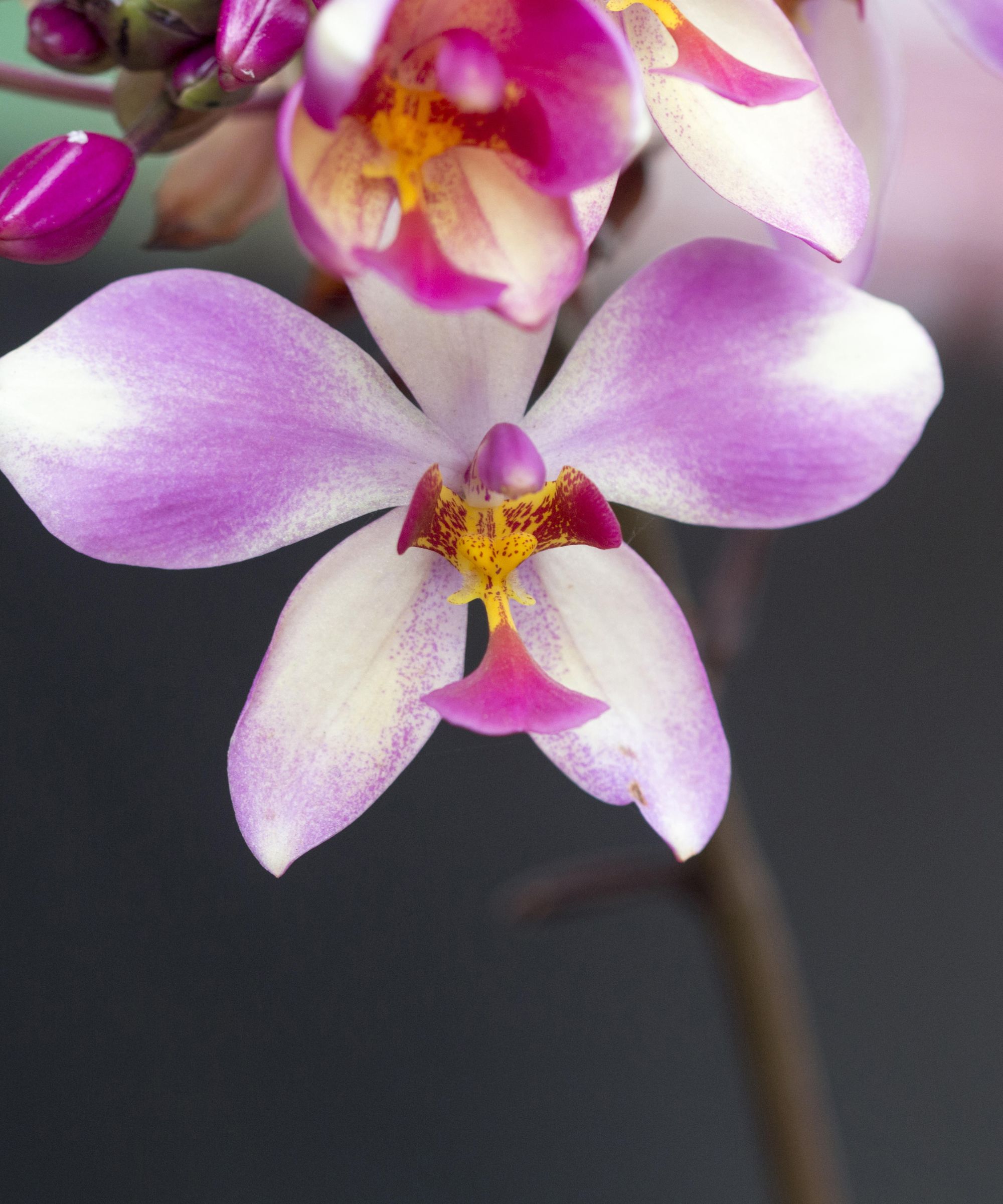
Like many tropical plants, orchids thrive in humid conditions, but they still require sufficient airflow. Creating the right humidity levels is important, and you can use a plant mister or invest in a pebble humidity tray. However, air circulation is equally crucial to regulate leaf temperature and prevent fungal diseases.
Orchids are best placed near a window to guarantee consistent airflow. Bathroom windowsills are particularly ideal since there are higher levels of moisture in the air. This combination of humidity and airflow helps your orchid stay healthy and vibrant.
Check For Heat Damage
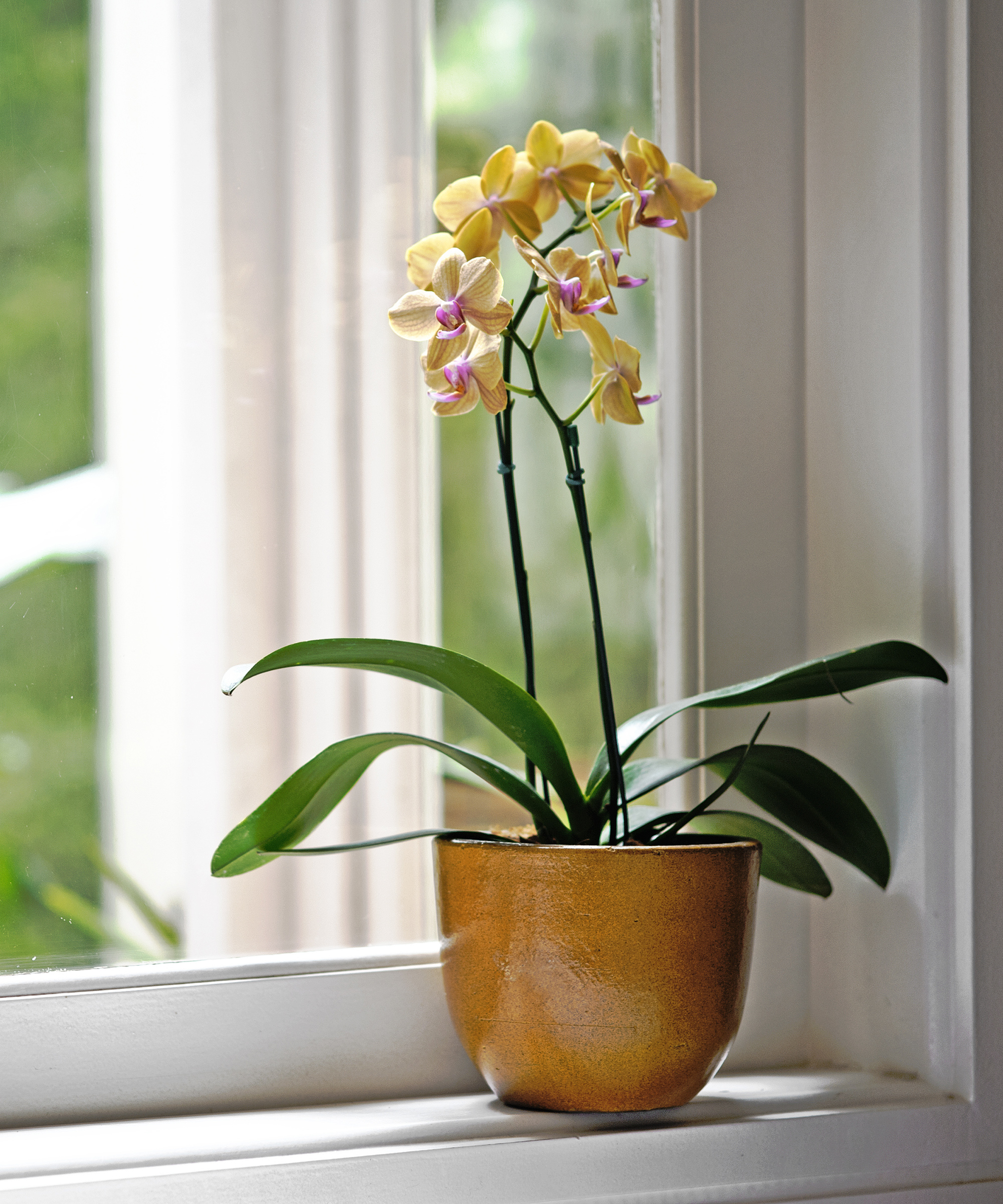
While orchids love a warm spot, bright but indirect light is crucial to avoid heat damage and leaf scorch. If your orchid has been left on a particularly sunny windowsill during temperature spikes, it may show signs of heat stress, such as crispy leaves.
If this happens, the first step is to prune away any damaged stems and leaves. Once your orchid looks neat and healthy, consider re-evaluating its position. Move it to a cooler spot, give it a good watering, and it should recover quickly.
Final Thoughts
Caring for orchids can seem daunting, but with the right approach, they can thrive and bring beauty to your home. By following these tips—watering more frequently, fertilizing regularly, pruning carefully, improving air circulation, and checking for heat damage—you can ensure your orchids remain healthy and continue to bloom beautifully throughout the summer.