Refreshing a room can be one of the most effective and cost-efficient ways to give your space a new look. While rearranging furniture is a great start, adding a fresh coat of paint can completely transform the atmosphere of a room. If you’re looking for a quick and easy fix, consider an accent wall instead of repainting the entire space. However, it’s important to be mindful of certain color choices that might lead to regret rather than satisfaction.
An accent wall offers a great opportunity to experiment with color, especially when it comes to dark, moody tones or vibrant shades. But even the smallest misstep in color selection can make your home feel outdated or in need of another renovation. While personal taste plays a significant role in choosing colors, some hues are strongly associated with specific eras, making them harder to modernize. For example, the peach and pastel shades that were popular in the 1980s may not have the same appeal today. That said, with the right application and context, any color can feel current.
Colors that may lead to regret
One of the most common pitfalls is choosing overly dark shades like black, charcoal, or navy. While these colors can create a dramatic and moody effect, they can also make a room feel too dark and gloomy if not used carefully. On the other end of the spectrum, bright and warm colors such as red, orange, and yellow can be energizing but may overwhelm a space if used excessively. These colors are best used in smaller amounts to add visual interest without creating a cluttered or overstimulating environment.
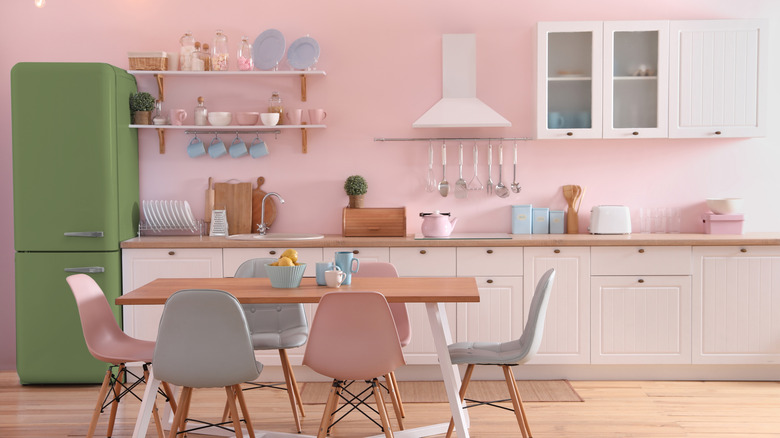
Trendy colors from the past can also be a source of regret. For instance, various shades of pink, including Millennial Pink and Barbie Pink, were extremely popular for a time. However, trends often fade quickly, and using these colors might make your home feel like a relic of the past.
Alternatives to traditional accent walls
If you’re still interested in adding an accent wall, there are modern approaches that can help avoid the risk of regret. Instead of going for stark contrasts, many designers are opting for subtle color changes using muted earth tones like olive, fig, taupe, and sky blue. These colors provide a calm and natural feel while still adding depth and life to the space.
Another way to keep your accent wall feeling fresh is by experimenting with different materials or painting techniques. Lime washes, for example, have gained popularity for their rustic and romantic texture. They allow for a more organic look without requiring perfect technique.
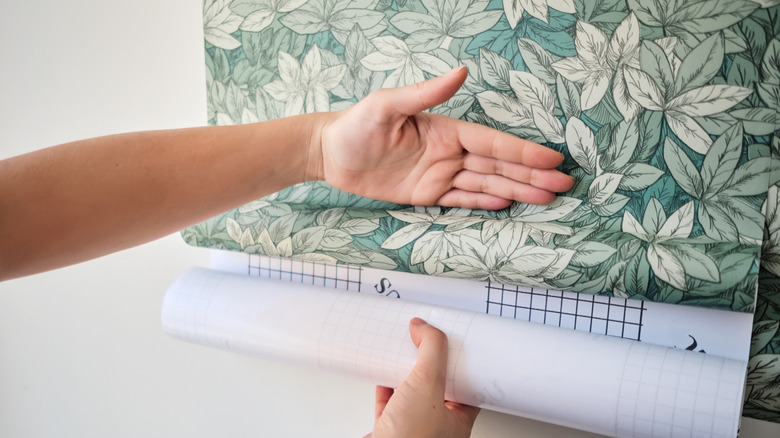
If you’re drawn to bolder or more “dated” colors, there are creative alternatives to achieve a similar effect. Double-drenching involves painting not just the walls but also architectural details like moldings, which can add a modern twist to a bold color. Another option is using wallpaper, which can soften intense colors and help create a unique, eclectic space.
Want more design inspiration? Sign up for our free newsletter to receive the latest home and garden tips, design hacks, and DIY projects directly in your inbox. You can also add us as a preferred search source!