Identifying Voles and Managing Their Impact in Your Garden
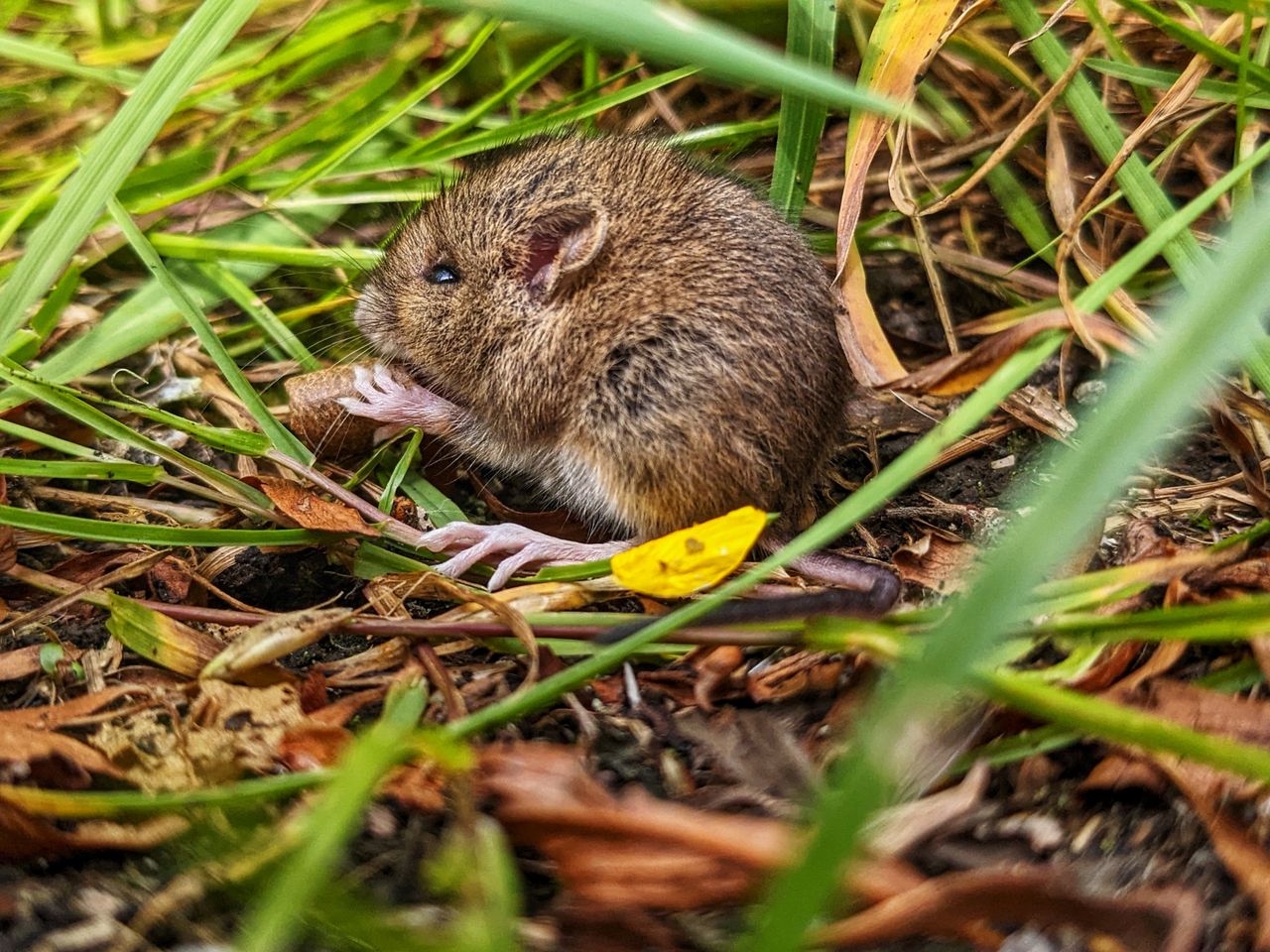
Voles, often mistaken for moles, are small rodents that can cause significant damage to gardens. Unlike moles, which primarily dig for insects, voles are herbivores that feed on a variety of plant materials, including flowers, ornamentals, bulbs, and tree bark. Recognizing the signs of vole activity is crucial for effective management.
Understanding Voles
Voles are active throughout the day and night, year-round. They thrive in environments with heavy ground cover, such as mulch, landscape fabric, or low-growing shrubs. These rodents construct surface or underground runways, depending on the species.
Voles are known for their ability to reproduce rapidly. With a gestation period of three weeks and up to 10 litters per year, they can quickly become a problem in gardens. Each litter typically consists of 3 to 5 young, leading to population explosions every few years.
Their diet includes various plant materials, making them a threat to crops, orchards, and ornamental plants. Voles may gnaw on saplings, roots, and even fruits or vegetables, leaving them on the stem. This behavior can lead to sudden plant failure or girdling around the base of trees.
How to Identify Vole Damage
Distinguishing between mole and vole damage can be challenging. Moles are rarely seen, as they tunnel below the ground for food. Voles, on the other hand, may occasionally be spotted, especially in shallow tunnels on the soil surface or beneath snow during winter.
Signs of vole activity include:
– Plants that were once healthy but suddenly fall over
– Gnaw marks at various angles around the base of plants near ground level
– Clipped grass stems
– Chewed bark
– Stockpiling of seeds, tubers, rhizomes, and bulbs in the fall
Voles typically live in colonies, with runways about one to two inches wide covering an area up to a quarter acre. There may be four to five flat entrance holes concentrated in a small area.
Effective Vole Control Strategies
While there is no foolproof method to eliminate voles, several strategies can help reduce their impact:
- Keep grass mowed: Voles prefer tall vegetation, so maintaining tidy lawns, especially near flower beds, can make your garden less appealing.
- Minimize mulch: Reduce the amount of mulch in flower beds and turn it frequently to disrupt their tunnel systems.
- Clean up brush and leaf piles: These provide excellent cover for voles.
- Use traps: Trapping is often the most successful method in small gardens. Use mouse or rat snap traps baited with peanut butter, oatmeal, or sliced apples. Cover the trap with a clay pot, shingle, or piece of cardboard to protect non-target animals.
- Avoid sonic devices: There is no scientific evidence that these devices work effectively.
- Try repellants: Castor oil may offer some short-term control, but results are not guaranteed. Follow label instructions and reapply as needed.
- Protect young trees: Use hardware cloth tubes around young trees, burying them about 6 inches below ground and extending above typical snow cover.
- Plant in bulb cages: Construct bulb cages from hardware cloth to prevent voles from eating your flowering bulbs.
- Avoid toxic baits: These can harm pets and other wildlife, and there is a risk of secondary toxicity if poisoned voles are eaten by predators.
Final Thoughts
Managing voles requires a combination of prevention, monitoring, and targeted control methods. By understanding their habits and implementing these strategies, you can minimize the damage they cause to your garden. Regular maintenance and vigilance are key to keeping voles at bay.