Garden enthusiasts are increasingly recognizing the vital role fungi play in maintaining a healthy garden ecosystem. This shift in perspective comes during an exciting autumn season marked by a remarkable variety of mushrooms.
A Flourishing Fungal Season
According to the Royal Horticultural Society (RHS), record numbers of fungi have been observed at its five gardens across the UK this season, thanks to ideal weather conditions. The previous sunny spring and summer provided the perfect environment for fungi to thrive as they developed symbiotic relationships with plants. These plants, in turn, generated ample sugars that they shared with their fungal counterparts, promoting growth and reproduction.
Recent rainfall has catalyzed the emergence of various fungi, including the spongy-capped mushrooms known as “boletes.” At the RHS Harlow Carr garden in Yorkshire, researchers have identified over 768 species of fungi this year, a significant increase from 570 species recorded last year. This collection includes rare and lesser-known species, as well as Spiculoglea inequalis, which has been documented in the UK for the first time. This discovery highlights a growing interest and improved understanding of fungi among naturalists.
Fungi’s Role in Garden Biodiversity
At RHS Garden Wisley, efforts have been made to propagate over 20 native species of fungi on agar, with seven species cultivated on woodchips and logs. These initiatives not only provide autumnal interest but also support wildlife by ensuring a year-round food supply and habitat.
Some notable fungi thriving in RHS gardens this autumn include:
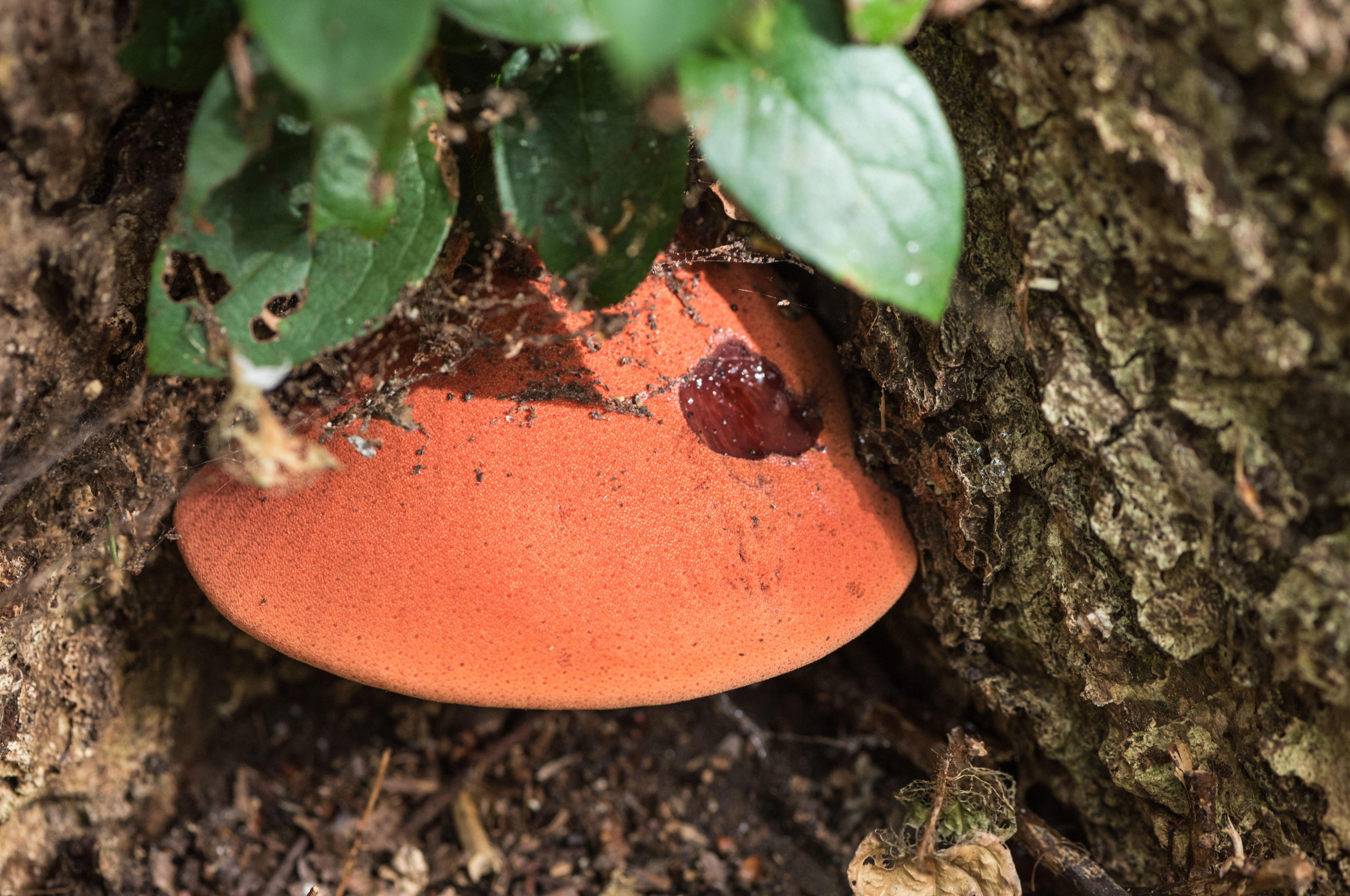
- Beefsteak Fungus: This unique fungus, which grows on oak heartwood, resembles a tongue and releases a red juice reminiscent of rare steak when cut.
- Shaggy Inkcap: Known for its tall mushrooms that dissolve into a sticky black ink, this species plays a crucial role in supporting soil health under grassy areas.
Historically, fungi were often viewed as indicators of problems such as waterlogging or disease in gardens. However, the RHS has undergone a significant change in perspective, recognizing fungi as integral components of a robust natural ecosystem. While only 5% of named fungi are known to cause plant diseases, the vast majority contribute positively by decomposing organic material, enriching the soil, retaining moisture during droughts, and helping maintain soil structure during heavy rains.
Embracing Fungi in Gardening Practices
The RHS is actively promoting the inclusion of fungi in its gardens and advising home gardeners to appreciate their benefits. To further this mission, they have published a new book titled RHS Fungi For Gardeners: Know Your Garden Fungi And How To Grow Them, authored by Jassy Drakulic. This resource aims to shift perceptions and encourage gardeners to view fungi through a new lens.
Dr. Jassy Drakulic, a plant pathologist at the RHS, emphasized the importance of fungi, stating, “Fungi have long stood in the shadow of plants, but we’re now starting to consider them as fundamental to a fully functioning garden ecosystem. There is much more to understand about fungi, but with increased efforts to support and study them, we can discover how to work with them to maximize the potential of our gardens.”
Conclusion
The renewed appreciation for fungi in gardening practices signals a positive change in the way we understand ecological relationships within our gardens. As the RHS continues to encourage the study and support of fungi, both amateur and professional gardeners can benefit from integrating these vital organisms into their gardening strategies. Embracing fungi not only enhances garden biodiversity but also contributes to healthier and more resilient ecosystems.